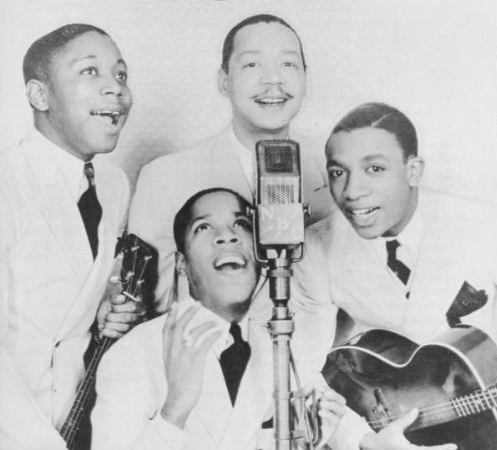
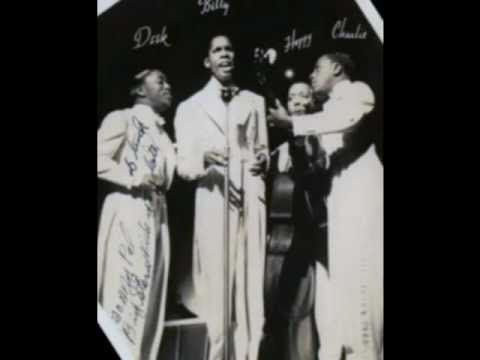
Charlie Fuqua — Rare Footage & Clips
Charlie Fuqua's voice soared through the smoky nightclubs of 1930s America, a smooth baritone that blended seamlessly with his fellow Ink Spots to create a sound that captivated audiences across racial divides. The group's unique blend of jazz, blues, and pop influences predated the emergence of rhythm and blues and rock 'n' roll, earning them a place in music history as one of the pioneering acts of the genre.
In 1932, Fuqua and his fellow Ink Spots – Bill Kenny, Deek Watson, Jerry Daniels, and Orville Jones – recorded their first single, "If I Didn't Have You," which would go on to become a massive hit. The song's success was no fluke; it showcased the group's ability to craft lush, harmonious arrangements that highlighted each member's unique vocal style. Fuqua's deep, resonant voice provided the perfect counterpoint to Kenny's soaring tenor, creating a sound that was both timeless and innovative.
One of the most significant aspects of the Ink Spots' success was their ability to transcend racial boundaries in an era marked by intense segregation. The group's popularity extended far beyond African American communities, with white audiences flocking to see them perform in nightclubs and theaters across the country. This crossover appeal was largely due to Fuqua's and Kenny's ability to craft ballads that spoke to a universal longing for love and connection.
The Ink Spots' impact on music history cannot be overstated. They were one of the first groups to popularize the doo-wop style, which would go on to influence generations of musicians. Their unique blend of jazz, blues, and pop influences also helped pave the way for the emergence of rhythm and blues and rock 'n' roll in the 1940s and 1950s.
In 1989, the Ink Spots were posthumously inducted into the Rock and Roll Hall of Fame, a testament to their enduring influence on popular music. This induction was not without controversy, however; many critics argued that the group's induction was long overdue, given their pioneering role in shaping the sound of rock 'n' roll.
Fuqua's own contributions to the Ink Spots' success cannot be overstated. As one of the group's founding members and lead vocalists, he played a crucial role in developing their unique sound. His smooth baritone voice added depth and complexity to the group's arrangements, helping to set them apart from other vocal groups of the era.
Despite their significant contributions to music history, the Ink Spots' legacy has often been overshadowed by that of more popular acts of the era. However, a closer examination of their discography reveals a wealth of innovative and influential recordings that continue to inspire musicians today. Take, for example, their 1940 single "Address Unknown," which features Fuqua's haunting vocals and Kenny's soaring tenor in a beautiful, harmony-rich arrangement.
One of the most fascinating aspects of the Ink Spots' story is the way they navigated the complexities of racial politics during an era marked by intense segregation. Despite facing numerous challenges and obstacles, the group remained committed to their music and their message, using their platform to promote unity and understanding between different communities.
In 1954, Fuqua and his fellow Ink Spots disbanded, marking the end of an era for one of America's most beloved vocal groups. However, their legacy continued to inspire generations of musicians, with over a hundred vocal groups calling themselves "The Ink Spots" in the years that followed. While many of these latter-day incarnations were little more than novelty acts, they served as a testament to the enduring power and influence of Fuqua's and Kenny's music.
In 1999, the Ink Spots were posthumously inducted into the Vocal Group Hall of Fame, cementing their status as one of the most influential vocal groups of all time. This induction was a long-overdue recognition of their pioneering role in shaping the sound of popular music, and it serves as a reminder of the enduring impact of Fuqua's and Kenny's music on generations of musicians.
Today, Fuqua's legacy continues to inspire musicians around the world. His smooth baritone voice remains one of the most distinctive and influential voices in American music history, and his contributions to the development of doo-wop and rhythm and blues continue to be celebrated by fans and scholars alike. As we reflect on the significance of the Ink Spots' story, it is clear that Fuqua's impact extends far beyond his own music; he helped pave the way for generations of musicians who followed in his footsteps.
In the end, Charlie Fuqua's legacy serves as a powerful reminder of the enduring power of music to bring people together and transcend racial boundaries. His smooth baritone voice continues to soar through the ages, a testament to the timeless appeal of his music and the lasting impact he had on popular culture.
Curated from public records and music databases.