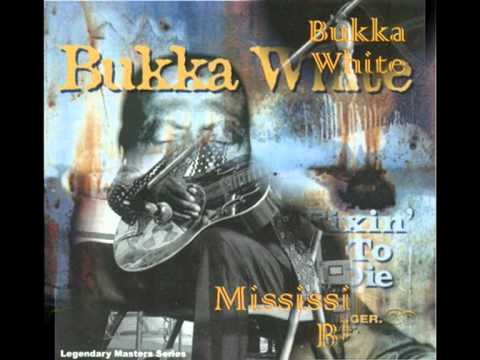
Bukka White — Rare Footage & Clips
Bukka White: A Pioneering Voice in American Roots Music
The rich tapestry of American roots music owes a great debt to the pioneering artists who helped shape its sound and style. Among these trailblazers is Bukka White, a Delta blues guitarist and singer whose contributions to the genre are still felt today. Born on November 12, 1906, in Houston, Mississippi, White's life was marked by a passion for music that spanned over six decades.
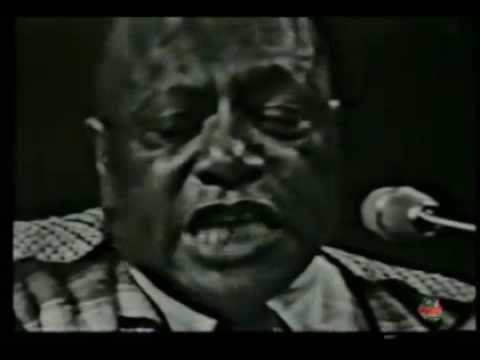
A perusal of the DeepCutsArchive reveals a treasure trove of rare footage featuring White, offering a glimpse into his unique style and artistry. One clip, likely from the 1960s, captures White performing "Shake 'Em On Down," a song that would become one of his signature tunes. The film shows White's mastery of the guitar, as he expertly navigates the intricate fingerpicking patterns that are characteristic of Delta blues.
White's music career began in earnest during the 1930s, when he started recording for Vocalion Records. His early work, such as "Parchman Farm Blues," showcased his raw, emotive singing style and his ability to craft memorable melodies. These recordings not only helped establish White as a prominent figure in the blues scene but also influenced a generation of musicians who followed in his footsteps.
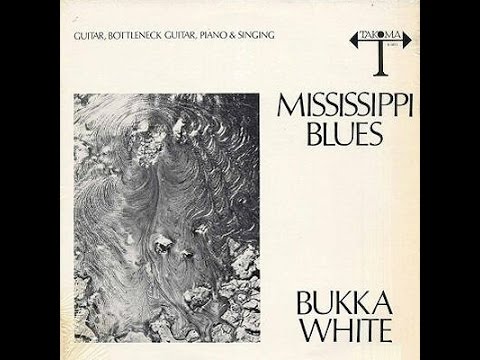
Throughout his career, White released numerous albums that have since become highly sought after by collectors and enthusiasts. The 1964 album "Mississippi Blues" is notable for its raw, unbridled energy, while the 1967 release "Contemporary Guitar: Spring '67" demonstrates White's continued innovation as a guitarist. Other notable releases include "Memphis Hot Shots" (1969), "The Complete Bukka White" (1969), and "Parchman Farm" (1970).
White's influence on American roots music cannot be overstated. His unique blend of Delta blues, country, and folk styles helped pave the way for later artists such as Muddy Waters, Howlin' Wolf, and Son House. The fact that White was posthumously inducted into the Blues Hall of Fame in 1990 is a testament to his enduring legacy.
One of the most fascinating aspects of White's life is his relationship with his cousin, [a37729]. According to accounts, White often credited his cousin as an early teacher and mentor, suggesting that their bond was both personal and professional. This familial connection highlights the importance of community and collaboration in the development of American roots music.
White's later years were marked by a renewed focus on his craft, with releases such as "Baton Rouge Mosby Street" (1972) demonstrating his continued creativity. His passing on February 26, 1977, was a significant loss for the blues community, but his music continues to inspire new generations of musicians and fans.
In examining White's contributions to American roots music, it becomes clear that he occupies a unique position in the pantheon of Delta blues pioneers. His innovative guitar playing, emotive singing style, and enduring legacy have cemented his status as one of the most important figures in the genre. As we continue to explore the rich history of American roots music, Bukka White remains an essential figure, whose influence can be felt across multiple generations of musicians.
The significance of White's work extends beyond his individual contributions to the blues genre. His music serves as a window into the cultural and social context of the early 20th century American South. The themes of hardship, struggle, and resilience that pervade his songs offer a poignant reminder of the experiences of African Americans during this period.
As we delve deeper into the archive, it becomes apparent that White's story is one of perseverance and dedication to his craft. Despite facing numerous challenges throughout his life, he continued to create music that was both deeply personal and universally relatable. This commitment to his art has left an indelible mark on American roots music, ensuring that Bukka White remains an essential figure in the genre for years to come.
The DeepCutsArchive provides a rare opportunity to experience White's music in its rawest form, with clips from various periods of his career offering a glimpse into his creative process. These fragments of footage serve as a testament to White's enduring legacy, reminding us that even the most ephemeral moments can have a lasting impact on the world of music.
In the end, Bukka White's story serves as a powerful reminder of the importance of preserving our musical heritage. As we continue to explore the rich tapestry of American roots music, it is essential that we acknowledge and celebrate the contributions of pioneers like White, who helped shape the sound and style of this beloved genre.
Curated from public records and music databases.
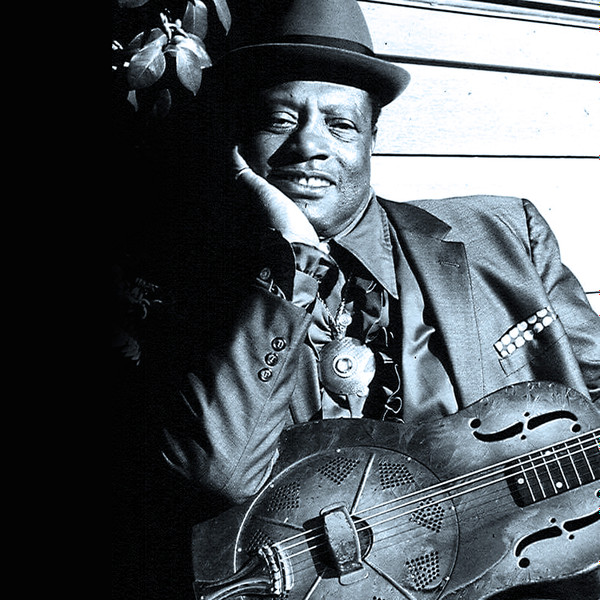







![Thumbnail for Bukka White – Parchman Farm Blues (1940) [🎸 Raw Delta Recordings] | Southern Railroad Stories by Bukka White](https://img.youtube.com/vi/E5iCWaEt0jg/hqdefault.jpg)
![Thumbnail for Bukka White – Shake 'Em On Down (1937) [🎸 Raw Delta Blues] | Mississippi Road Stories by Bukka White](https://img.youtube.com/vi/CXXKfKcnh-w/hqdefault.jpg)
![Thumbnail for Bukka White – Fixin' To Die Blues (1940) [🎸 Raw Delta Sessions] | Southern Railroad Stories by Bukka White](https://img.youtube.com/vi/yaxkcnJ4VfY/hqdefault.jpg)