Boozoo Chavis — Rare Footage & Clips
The dusty dance floors of rural Louisiana, where the rhythms of yesteryear still linger like the scent of magnolias on a summer evening. It's here that we find Boozoo Chavis, a name etched in the annals of zydeco history like the intricate carvings on an antique accordion. Born Wilson Anthony Chavis on October 23, 1930, he would go on to become one of the most influential figures in the genre's development.
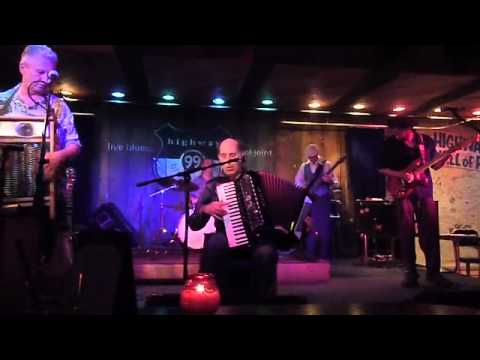
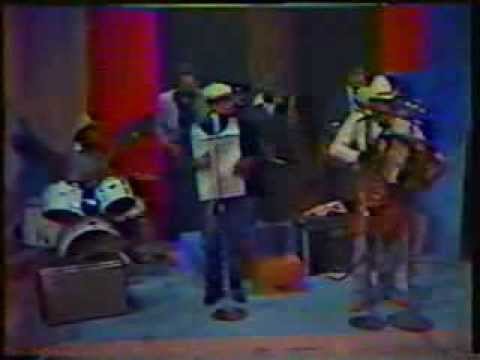
In the clip "Zydeco Trail Ride" (DeepCutsArchive), captured live at a Louisiana dancehall in the late 1980s, Chavis' fingers dance across the accordion keys with a reckless abandon that belies his age. His voice, a gravelly growl that could curdle milk at 50 paces, sends shivers down the spines of those in attendance as he launches into the title track's infectious chorus.
But Chavis' significance extends far beyond his own performances. As one of the pioneers of zydeco, he helped bridge the gap between Louisiana Creole and blues music, creating a unique sound that would captivate audiences across the region. His influence can be heard in the work of later artists, such as Clifton Chenier and Rosie Ledet, who built upon Chavis' foundation to create their own brand of zydeco magic.
The 1987 album "Paper In My Shoe" marked a turning point in Chavis' career, as he began to attract attention from beyond the rural Louisiana communities that had long been his audience. The album's title track, with its driving rhythms and wailing accordion, would become an anthem for zydeco enthusiasts everywhere.
Chavis continued to innovate throughout the 1990s, releasing a string of albums that showcased his mastery of the genre. "The Lake Charles Atomic Bomb" (1990) and "Zydeco Hee Haw" (1991) are particular standouts, featuring Chavis' signature blend of traditional zydeco with modern production techniques.
But it's not just the music itself that's significant – it's also the context in which it was created. Chavis' rise to prominence coincided with a period of great social change in Louisiana, as African American and Creole communities began to assert their cultural identities in the face of long-standing oppression. His music became a powerful tool for self-expression and community building, providing a soundtrack for the struggles and triumphs of those who had been marginalized for so long.
The 1994 live album "Live! At the Habibi Temple" captures Chavis' energy and charisma in all its glory, as he works the crowd into a frenzy with his irrepressible stage presence. It's a testament to his enduring appeal, even as the zydeco landscape around him continued to evolve.
Chavis' legacy extends far beyond his own music, however. As one of the first artists to bring zydeco to a wider audience, he paved the way for future generations of musicians to explore their cultural heritage and push the boundaries of traditional forms. His influence can be heard in everything from rock to hip-hop, as producers and artists continue to draw upon the rich sonic tapestry that Chavis helped create.
As we reflect on Boozoo Chavis' remarkable career, it's clear that his impact will be felt for generations to come. The clip "Zydeco Homebrew" (DeepCutsArchive), featuring Chavis in a rare studio setting, offers a glimpse into the creative process behind some of his most beloved songs. It's a reminder that even as we celebrate his achievements, there's still so much more to discover about this trailblazing artist.
In the end, it's not just Boozoo Chavis' music that we're left with – it's the memories he helped create, the communities he inspired, and the cultural heritage he helped preserve. As we close this chapter on his remarkable life, we're reminded of the enduring power of zydeco to bring people together, to transcend borders and boundaries, and to speak directly to our shared humanity.
Curated from public records and music databases.