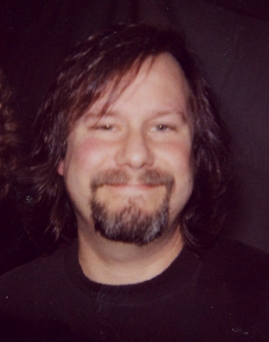
Billy Gould — Rare Footage & Clips
The dimly lit recording studio on Berkeley's Telegraph Avenue in 1983. The air is thick with anticipation as a young Billy Gould steps up to the mic, his fingers poised over the frets of his bass guitar. He's about to lay down tracks for Faith No More's debut EP, We Care a Lot. Little does he know, this is just the beginning of a storied career that would span decades and leave an indelible mark on rock music.
Gould's tenure as Faith No More's bassist has been a defining force behind the band's sonic evolution. Formed in 1963, Faith No More began its journey as a jazz-rock outfit before gradually incorporating elements of punk, metal, and hip-hop into their sound. Gould's arrival in the late 1980s marked a turning point for the band, bringing with him a more aggressive and experimental approach to music-making.
The Eclipse (2023), Faith No More's latest album, is a testament to the band's continued innovation and willingness to push boundaries. Produced by Nick DiDia, this album marks a return to form for the band, blending elements of their signature sound with a newfound sense of introspection and vulnerability. Critics have praised The Eclipse for its bold production and lyrics that tackle themes of mortality, love, and social commentary.
Gould's contributions to Faith No More's discography are undeniable. He co-wrote several tracks on Angel Dust (1992), including the iconic single "Falling to Pieces." This album is widely regarded as one of the band's best works, showcasing their ability to craft catchy hooks and complex arrangements. Gould's basslines are a key component in Faith No More's sound, often providing the melodic foundation for songs like "Jinx" and "King for a 1000 Years."
Beyond his work with Faith No More, Gould has collaborated with various artists and projects over the years. His contributions to the soundtrack of the film Tank Girl (1995) demonstrate his versatility as a musician and willingness to explore different genres. Gould's involvement in these side projects highlights his dedication to musical experimentation and exploration.
Gould's influence on rock music extends beyond his work with Faith No More. As one of the pioneering figures in the alternative metal movement, he has inspired a generation of musicians to push the boundaries of their craft. Bands like Tool, Rage Against the Machine, and Deftones have cited Faith No More as an influence, with Gould's bass playing being a key factor in their sound.
The Eclipse (2023) is not only a testament to Faith No More's enduring legacy but also a reminder that Billy Gould remains an integral part of this musical landscape. His contributions to the album are evident on tracks like "Is All Lost (The Omen)" and "Mephista," which showcase his continued ability to craft complex, atmospheric soundscapes.
Gould's career has been marked by a commitment to creative expression and experimentation. From Faith No More's early days as a jazz-rock outfit to their current status as one of the most innovative rock bands of the past few decades, Gould's contributions have played a significant role in shaping their sound. His dedication to pushing the boundaries of what is possible in music has left an indelible mark on rock history.
The Eclipse (2023) serves as a reminder that Billy Gould remains at the forefront of rock music. With his continued involvement with Faith No More and various side projects, he continues to inspire new generations of musicians and fans alike. As the band's bassist, Gould has been an integral part of their sound for over three decades, leaving behind a legacy that will be remembered for years to come.
The dimly lit recording studio on Berkeley's Telegraph Avenue in 1983 may have been the site where Billy Gould first laid down tracks with Faith No More. However, it is his ongoing contributions to music history that continue to captivate audiences and inspire musicians around the world.
Curated from public records and music databases.