Big Joe Williams — Rare Footage & Clips
Big Joe Williams is a name that resonates deeply within the annals of American blues music, particularly in the realm of Delta blues. As an artist who traversed the better part of four decades, leaving behind a legacy of sonic innovation and unwavering dedication to his craft, Williams' contributions to the genre are nothing short of profound.
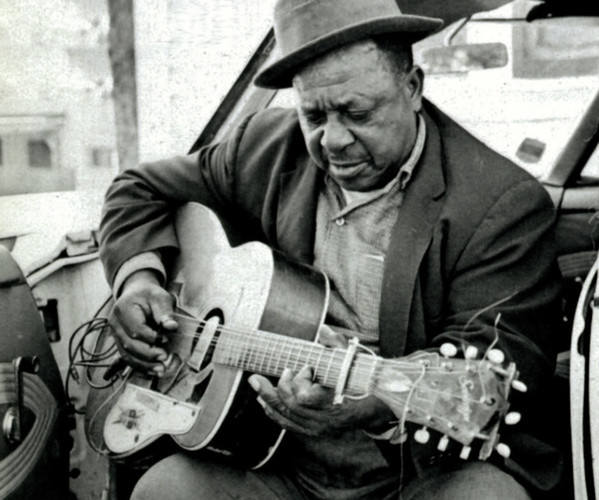
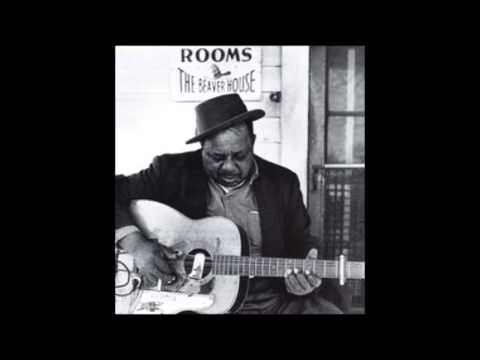
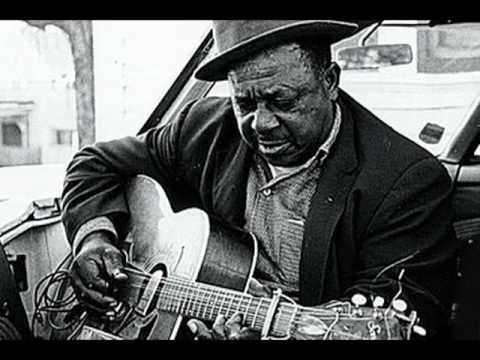
Born on October 16, 1903, in Crawford, Mississippi, Williams' musical journey began at a tender age. His early life was marked by hardship and struggle, yet it was precisely these experiences that would later shape his unique sound and style. The distinctive timbre of his nine-string guitar – an instrument he himself had modified to suit his artistic vision – became an instantly recognizable hallmark of his performances.
The 1950s saw Williams' career gain momentum with the release of his seminal album, Piney Woods Blues (1958). This collection of tracks not only showcased his mastery over the nine-string but also demonstrated a keen sense of storytelling through lyrics. Songs like "Baby Please Don't Go" and "Crawlin' King Snake" – both staples of Williams' live sets – exemplify this narrative prowess, weaving together vivid imagery and poignant emotions to create an immersive listening experience.
One clip from the DeepCutsArchive, featuring a 1962 performance of "Blues on Highway 49," offers a glimpse into Williams' electrifying stage presence. As he strums the strings of his nine-string with an unyielding intensity, the audience is transfixed by the sheer force of his artistry. This capacity to captivate listeners has been a hallmark of Williams' career, with even the most seasoned blues aficionados unable to resist the allure of his music.
Williams' work extends far beyond the realm of individual songs, however. His influence on subsequent generations of musicians cannot be overstated. Artists such as Muddy Waters and Howlin' Wolf – both fellow Delta blues pioneers – have cited Williams as a significant inspiration in their own development. This cross-pollination of ideas is a testament to the enduring power of his music.
A cursory examination of Williams' discography reveals an impressive array of releases across various labels, including Bluebird, Delmark, Okeh, Prestige, and Vocalion. The sheer breadth of his output underscores his unwavering commitment to his craft, as well as his ability to adapt and evolve in response to changing musical landscapes.
One clip from the DeepCutsArchive, featuring a 1969 performance of "Hand Me Down My Old Walking Stick," offers a poignant example of Williams' capacity for introspection. As he sings with an unassuming humility, the listener is struck by the depth of emotion conveyed through his lyrics. This ability to tap into the human experience and convey it in a manner both universal and deeply personal has been a hallmark of Williams' work throughout his career.
Williams' induction into the Blues Hall of Fame on October 4, 1992, serves as a fitting tribute to his contributions to the genre. This recognition not only acknowledges his influence but also underscores the significance of his music within the broader context of American cultural heritage.
The 1960s saw Williams continue to push the boundaries of his artistry, releasing albums such as Tough Times (1960), Blues for 9 Strings (1962), and Three Kings And The Queen (1964). These releases not only demonstrated a continued commitment to innovation but also underscored his capacity to navigate the shifting musical landscape.
The significance of Williams' music extends beyond its technical merits or historical context, however. His work speaks directly to the human experience – an experience marked by struggle, perseverance, and ultimately, redemption. As such, his legacy serves as a powerful reminder of the transformative potential of art to transcend time and circumstance.
In examining the life and career of Big Joe Williams, we are reminded of the profound impact that individual artists can have on the world around them. Through his music, Williams has left an indelible mark on the landscape of American blues, one that continues to resonate with listeners today.
Curated from public records and music databases.