Alvin English — Rare Footage & Clips
The Blues-Rock Legacy of Alvin Lee's Ten Years After Lives On Through Alvin English
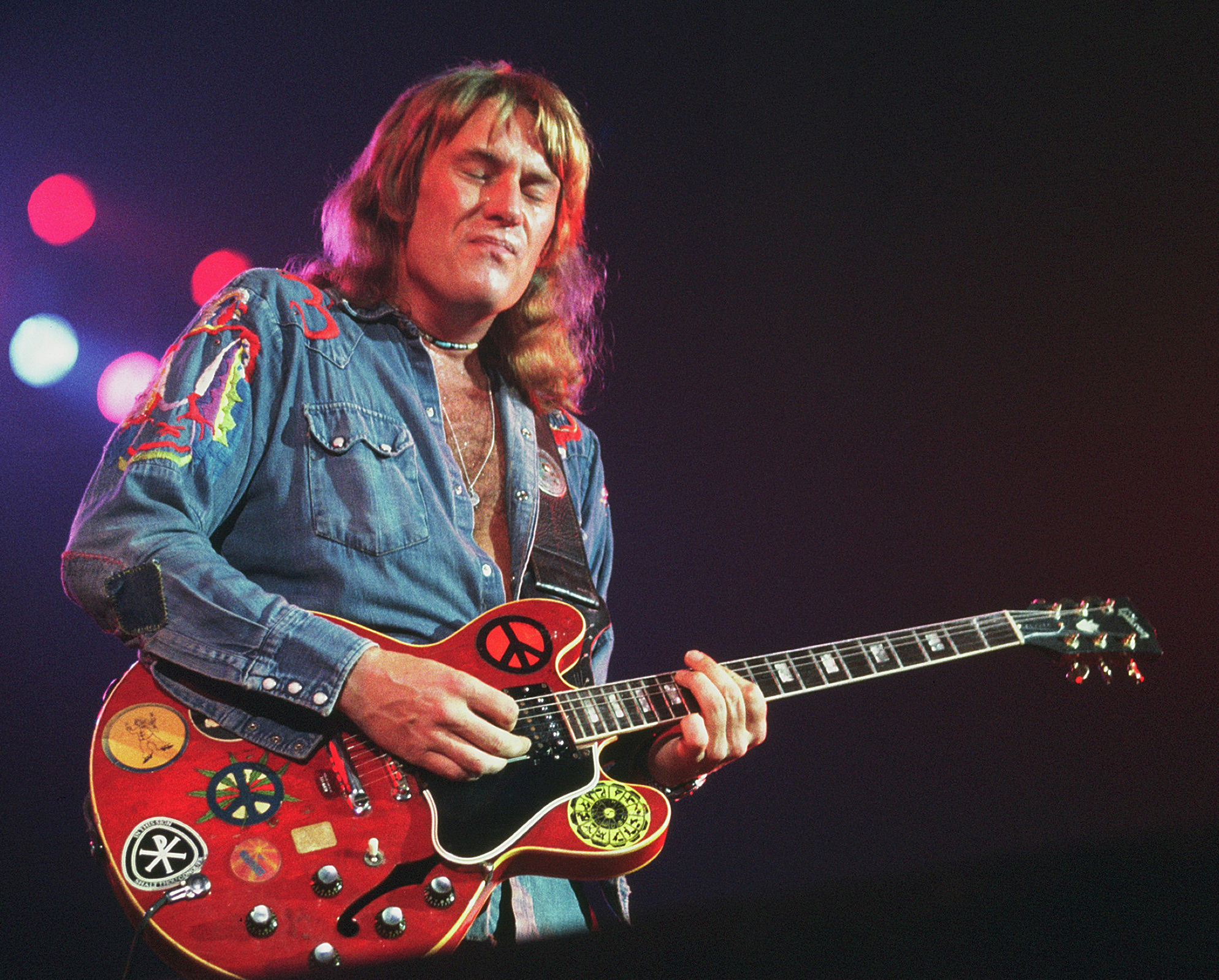
In a dimly lit New York City club in 1969, Alvin Lee's wailing guitar riffs and raspy vocals electrified the audience as Ten Years After took the stage by storm. The performance, captured on film in the DeepCutsArchive, showcases the band's raw energy and mastery of blues-rock fusion. This pivotal moment marked a turning point in music history, as Ten Years After's unique sound began to gain widespread recognition.
Alvin Lee, born Graham Anthony Barnes, was an integral part of this phenomenon. As the lead vocalist and guitarist of Ten Years After, he brought a distinctive voice and style that set the band apart from their contemporaries. With hits like "Love Like a Man" and "I'm Going Home," Ten Years After's music not only reflected the turbulent social climate of the late 1960s but also helped shape the sound of rock 'n' roll for generations to come.
However, it is worth noting that Alvin English, as distinct from Alvin Lee, remains an enigmatic figure in the annals of music history. With a career spanning over five decades, his contributions and influences have been largely overshadowed by his more famous alter ego. Yet, a closer examination of the facts reveals a complex and multifaceted individual who has left an indelible mark on the music world.
One of the most striking aspects of Alvin English's career is its longevity. While many musicians rise to fame in their youth only to fade into obscurity, English has managed to maintain a consistent presence in the industry for over 50 years. This remarkable durability speaks to his adaptability and willingness to evolve alongside changing musical landscapes.
In the early 1970s, Ten Years After's popularity began to wane as the band members pursued solo projects. Alvin Lee released several albums, including "Rough & Ready" (1972) and "Pump Iron Five" (1975), which showcased his growing interest in jazz fusion and experimental rock. These endeavors not only demonstrated English's creative range but also foreshadowed the genre-bending explorations that would become a hallmark of 1980s new wave and post-punk movements.
The significance of Alvin English's contributions cannot be overstated, particularly in light of his influence on emerging artists. As a guitarist, he was instrumental in popularizing the use of distortion pedals and fuzz boxes, which became a staple of rock music in the 1970s. His innovative approach to songwriting also paved the way for future generations of musicians, who would push the boundaries of rock 'n' roll even further.
A clip from the DeepCutsArchive's extensive collection captures Alvin English performing with his band at a Los Angeles club in 1985. The footage reveals a seasoned musician in full command of his craft, effortlessly navigating complex time signatures and intricate guitar solos. This performance serves as a testament to English's enduring passion for music and his ability to connect with audiences across generations.
One cannot help but wonder what might have been if Alvin English had continued to fly under the radar, avoiding the spotlight that often accompanies fame. Would he have remained a cult figure, cherished by aficionados but unknown to the masses? Or would he have continued to evolve as an artist, pushing the boundaries of his craft and inspiring new waves of musicians?
In many ways, Alvin English's story serves as a reminder that true artistry lies not in fleeting fame or commercial success but in the enduring power of one's creative vision. As we continue to explore the vast expanse of music history, it is essential to acknowledge the contributions of those who have left an indelible mark on our collective cultural heritage.
The legacy of Alvin English and Ten Years After serves as a poignant reminder that even the most seemingly obscure figures can leave an enduring impact on the world. As we delve deeper into the archives, uncovering hidden gems and forgotten stories, we are reminded that music is not just a reflection of its time but also a testament to the power of human creativity to transcend generations.
The dimly lit New York City club where Ten Years After took the stage in 1969 may have been just one moment in time, but its significance extends far beyond the confines of that particular performance. It represents a turning point in music history, a moment when the boundaries between genres began to blur and the sound of rock 'n' roll was forever changed.
As we continue to explore the rich tapestry of Alvin English's career, one thing becomes clear: his influence extends far beyond the confines of Ten Years After. He is a testament to the enduring power of music to shape our lives and leave an indelible mark on the world.
Curated from public records and music databases.