0 views
Share this clip
Know someone who'd love this clip?
Share it with friends and fellow fans.
Share this clip
Know someone who'd love this clip?
Share it with friends and fellow fans.
PEPPE CITARELLA & ANDRÉS ROMÁN Starring VIRGINIA QUESADA -Produced, Arranged, Vocal lead & Background Vocals by Andrés Román for Tropi-Show Productions. -Produced, Arranged & Mixed by Peppe Citarella. -Mastered by Emanuele Esposito -Vocal Lead, Background Vocals by Virginia Quesada. -Background Vocals & Consulence Bass in (A.Román Rumba Versión) Eduardo Céspedes. -Alto Sax, Piano Tumba'o & Consulence Brass by Ernesto Varona. -Trumpet by Luis Alberto Jimenes (Piedra). -Timbales & Congas by Ernesto (Awalis) López. -Acustic Piano, Rhodes & Guitar by Paolo Convertito. -Recording at Tropi-Show Studio, Frequenze Studio and Citarella Studio (Italy) -Written by Junior Cepeda (1974). -Published by Vaya (ASCAP) -Label: Tony Records (Franke Estevez Latin Fuzion Mixes) Remix Production By: Franke Estevez Recorded @ Fuzion Recording Studios Union City, NJ (Quimbara Emanuele Esposito Remix) Remixed and composed by Emanuele Esposito Special thanks to Maestro Antonino Gambino for the Keyboards Mixed and mastered by Emanuele Esposito at home studio Napoli (Italy) (Joe Doppio & Peppe Citarella Bonus Track Acapella) Remix Production By : Joe Doppio & Peppe Citarella Mixed : Peppe Citarella Mastered: Emanuele Esposito (Gigi Testa & Felix Combo WPM Vocal Mix) Programming and Arragement Gigi Testa & Felix Combo Drums & Percussions Gigi Testa Keyboards Massimo D'Ambra Mixed Gigi Testa & Felix Combo at Wpm Studio Napoli,Italy Mastered: Emanuele Esposito (c) Tropi-Show Productions 2014
R.E.M. was an American rock band formed in Athens, Georgia, in 1980 by drummer Bill Berry, guitarist Peter Buck, bassist Mike Mills, and lead vocalist Michael Stipe, who were students at the University of Georgia. R.E.M. was noted for Buck's arpeggiated "jangle" guitar playing; Stipe's distinctive vocal style, unique stage presence, and cryptic lyrics; Mills's countermelodic bass lines and backing vocals; and Berry's tight, economical drumming. In the early 1990s, other alternative rock acts suc...
More about R.E.M.→Added
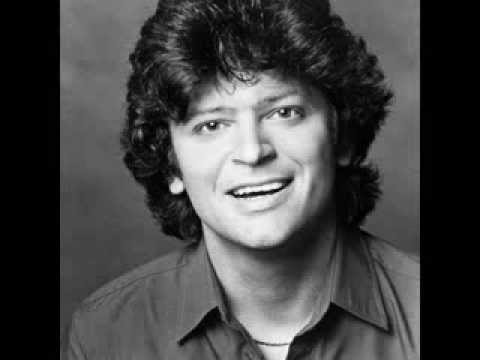 1:53
1:53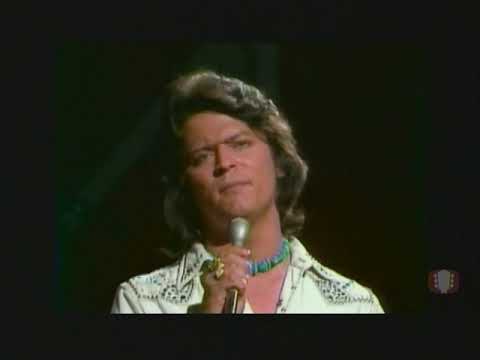 2:15
2:15Johnny Rodriguez
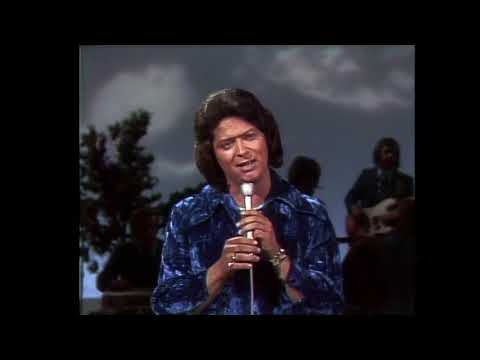 2:26
2:26Johnny Rodriguez
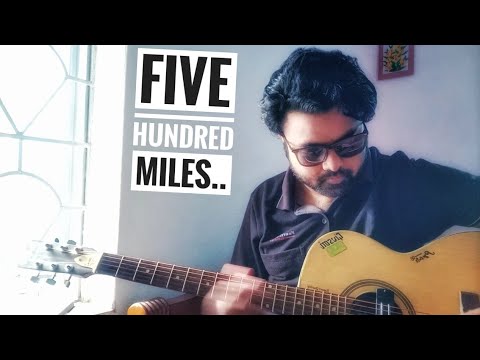 2:34
2:34Hedy West
The juxtaposition of two seemingly disparate entities in this clip page is striking: a rare studio recording from 1974 featuring Andrés Román & Peppe Citarella Feat. Virginia Quesada, alongside footage tagged as belonging to the American rock band R.E.M. The disconnect between these two distinct musical worlds raises intriguing questions about the nature of artistic collaboration and the interconnectedness of global music scenes.
A closer examination of the clip page reveals that the 1974 recording is a studio production featuring an ensemble of Italian musicians, with contributions from various artists including Andrés Román, Peppe Citarella, Virginia Quesada, and others. This musical collective's work is characterized by its Latin-inspired rhythms and instrumentation, which would later influence the development of fusion and world music genres.
R.E.M., on the other hand, was a pioneering American rock band known for their eclectic sound, exploring various styles from post-punk to alternative rock. Despite their distinct sonic identity, R.E.M.'s career trajectory coincided with the emergence of global music trends in the 1980s and 1990s. It is possible that the band's members may have been exposed to or influenced by Latin American music during this period.
The fact that this 1974 clip page features both a rare studio recording from Italy and R.E.M.'s name in the metadata raises questions about the provenance of the footage. Is it possible that R.E.M. was involved in some capacity with Andrés Román & Peppe Citarella's project? Were they collaborators, or merely fans who stumbled upon this obscure recording?
The clip page's metadata also highlights the involvement of various producers and remixers, including Franke Estevez, Emanuele Esposito, Joe Doppio, and Peppe Citarella. These individuals have contributed to shaping the musical landscape through their work on this project, which showcases a unique blend of Latin American rhythms and instrumentation.
This clip page serves as a fascinating example of how global music scenes intersect and influence one another. The convergence of different artistic visions and styles in this 1974 recording not only reflects the cultural exchange that occurs across geographical boundaries but also underscores the dynamic nature of musical evolution.
Curated from public records and music databases.