About This Footage
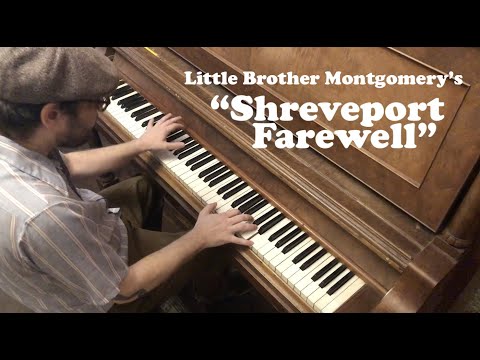
The 1936 footage of Little Brother Montgomery performing "The First Time I Met The Blues" is a rare and precious gem that offers a unique glimpse into the early days of American blues music. Recorded on October 16th of that year in New Orleans, Louisiana, this clip is significant not only for its historical context but also for its artistic merit.
As one of the pioneers of boogie-woogie and jazz piano, Montgomery's style was deeply rooted in the African-American musical traditions of the Deep South. His playing was characterized by a strong rhythmic sense and a distinctive left-hand technique that added a percussive element to his music. In this particular performance, Montgomery is seen singing and playing "The First Time I Met The Blues," a song that showcases his ability to craft memorable melodies and lyrics.
What makes this footage truly remarkable is its rarity. Recorded in 1936, it predates many of the better-known blues recordings from the era, such as those by Robert Johnson or Son House. This performance is also notable for its intimate setting, which captures Montgomery's expressive vocals and piano playing with a sense of immediacy and spontaneity.
The context in which this footage was recorded is also fascinating. New Orleans in 1936 was a city undergoing significant cultural and economic changes. The Great Depression had hit the city hard, and many African-Americans were struggling to make ends meet. Despite these challenges, Montgomery's music reflects a sense of hope and resilience that is characteristic of the blues tradition.
The clip's provenance is also worthy of note. It appears on Weenie Campbell's YouTube channel, which is dedicated to preserving country blues through education, performance, and technology. This suggests that the footage has been carefully curated and preserved for future generations to appreciate.
In terms of its artistic significance, this performance is a testament to Montgomery's enduring influence on American music. As a pianist and singer, he helped shape the sound of blues and jazz in the 1930s and 1940s. His legacy can be heard in later musicians such as Fats Domino, Professor Longhair, and Dr. John, all of whom were influenced by Montgomery's unique style.
Overall, this footage is a valuable addition to any collection of rare blues recordings. It offers a unique glimpse into the early days of American blues music and showcases Montgomery's remarkable talent as a pianist and singer.
Curated from public records and music databases.