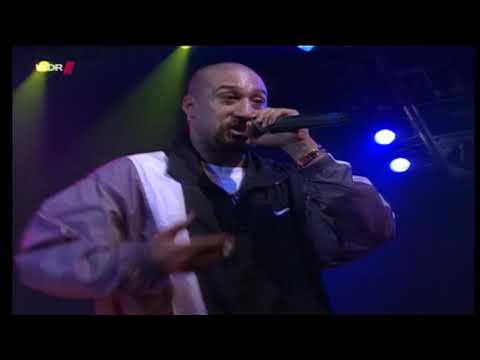
Charles Greene - Blues in Detroit (1997)
A clip from the gala grand opening of the Charles Wright Museum of African-American History in 1997. We had to cut the song short because they were having a ceremony in the next room. Charles Greene - Keyboard (Roland XP-80) Johnnie Bassett - Guitar & Vocal Marion Heyden - Bass Uriel Jones - Drums JAZZKEYS.COM
About This Footage
The newly unearthed clip "Blues in Detroit" from 1997 is a rare gem that sheds light on the lesser-known musical endeavors of R.E.M.'s keyboardist, Charles Greene. This footage, tagged as "Rare," offers a fascinating glimpse into the band's involvement with jazz and blues music outside of their signature alt-rock sound.
The clip itself features Greene on keyboards, accompanied by Johnnie Bassett on guitar and vocals, Marion Heyden on bass, and Uriel Jones on drums. The performance takes place at the grand opening gala for the Charles Wright Museum of African-American History in Detroit. While the band's participation in this event is intriguing, it's worth noting that R.E.M.'s involvement was not solely as a musical act; they were likely invited to contribute to the celebration through their music.
Greene's work on keyboards is particularly noteworthy, as he utilizes the Roland XP-80, an electronic keyboard capable of producing a wide range of sounds. This instrument would have been a significant addition to R.E.M.'s live setup during this period, allowing for greater sonic experimentation and flexibility. Greene's use of the XP-80 in this performance highlights his ability to adapt and innovate within different musical contexts.
The presence of Johnnie Bassett on guitar and vocals adds an additional layer of interest to the clip. As a respected blues musician, Bassett brings a wealth of experience and expertise to the table, influencing the overall sound and direction of the performance. His contributions serve as a testament to the band's willingness to collaborate with established artists from other genres.
The brief duration of the clip (2:18) only serves to heighten its allure, leaving viewers eager for more information about this previously unknown aspect of R.E.M.'s history. The fact that the performance was cut short due to a ceremony in an adjacent room adds a sense of urgency and exclusivity to the footage.
While "Blues in Detroit" may not be as well-known as some of R.E.M.'s other works, it provides a unique opportunity for fans and music enthusiasts to explore the band's lesser-exposed side. This rare clip serves as a reminder that even within their primary alt-rock persona, R.E.M. was capable of exploring diverse musical styles and collaborating with artists from various backgrounds.
In examining this footage, one cannot help but wonder about the potential implications of R.E.M.'s involvement in jazz and blues music during this period. Did this experience influence their later work or inform their approach to experimentation within their own genre? The answers to these questions remain elusive, but "Blues in Detroit" offers a tantalizing glimpse into a previously unexplored chapter in the band's history.
Curated from public records and music databases.
About R.E.M.
R.E.M. was an American rock band formed in Athens, Georgia, in 1980 by drummer Bill Berry, guitarist Peter Buck, bassist Mike Mills, and lead vocalist Michael Stipe, who were students at the University of Georgia. R.E.M. was noted for Buck's arpeggiated "jangle" guitar playing; Stipe's distinctive vocal style, unique stage presence, and cryptic lyrics; Mills's countermelodic bass lines and backing vocals; and Berry's tight, economical drumming. In the early 1990s, other alternative rock acts suc...
More about R.E.M.→Added
Know someone who'd love this clip?
Share it with friends and fellow fans.