0 views
Share this clip
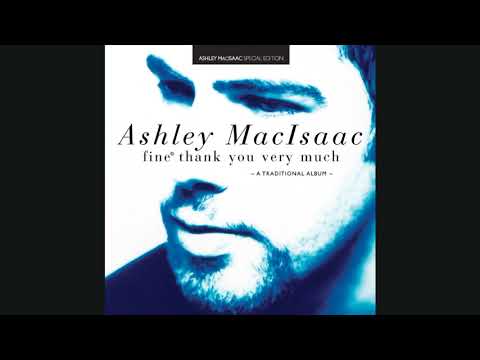
Ashley MacIsaac - King George IV and more... (Track 08) Fine, Thank You Very Much ALBUM
Know someone who'd love this clip?
Share it with friends and fellow fans.
Share this clip
Know someone who'd love this clip?
Share it with friends and fellow fans.
Ashley MacIsaac Ashley Dwayne MacIsaac, musician, composer (born 24 February 1975 in Creignish, NS). The enfant terrible of the Canadian music scene, Juno Award-winning fiddler Ashley MacIsaac is as well known for his eccentric personality and outlandish, controversial behaviour as he is for his ferocious fiddling talents and his commercially successful, genre-bending breakthrough album, Hi How Are You Today? (1995). Early Years A fiddling prodigy, MacIsaac grew up playing traditional Celtic music and learned from the local masters in his native Cape Breton Island (he and fiddler Natalie MacMaster are cousins). While still a teenager, he independently released two albums of traditional fiddle music on cassette: Close to the Floor (1992), which sold an impressive 8,000 copies; and A Cape Breton Christmas (1993). His playing drew the attention of such prominent musicians as Philip Glass, Paul Simon, and David Byrne, and those connections helped attract growing interest from the Canadian music industry. Breakthrough Success MacIsaac signed a deal with A&M Records and released Hi How Are You Today? in 1995 through his own Ancient Music label. The album’s eclectic combination of virtuoso traditional fiddling, modern dance rhythms, and punk rock edge knocked purists on their ears. It even spawned a surprise hit in “Sleepy Maggie,” a collaboration with Cape Breton Gaelic singer Mary Jane Lamond, that became a Top 20 hit in Canada and reached No. 29 on the Billboard dance chart. MacIsaac’s energetic, kilt-swirling live performances attracted fans of all ages and musical tastes. With eye-catching videos playing in regular rotation on MuchMusic, sales of Hi How Are You Today? rose above 200,000 in Canada. Close to the Floor was re-released as a CD in 1995 to capitalize on this success and sold more than 26,000 copies. MacIsaac was named Best New Solo Artist and Hi How Are You Today? took the honour of Best Solo Roots and Traditional Album at the 1996 Juno Awards. His follow-up album, Fine, Thank You Very Much (1996), saw him getting back to basics with traditional jigs, reels, and strathspeys. It earned him a Juno Award for Instrumental Artist of the Year, in 1997. Public Notoriety In addition to fame for his musical talents, MacIsaac has also gained notoriety for his often-erratic lifestyle and exhibitionist outbursts. While he continued to play live and also had a few small acting roles in the late 1990s — in such films as The Hanging Garden (1997), New Waterford Girl (1999), and Marion Bridge (2002). Much of this conduct was attributed to substance abuse problems; MacIsaac spoke openly about a two-year battle with crack cocaine addiction during the release of Helter’s Celtic, in the fall of 1999. He revived his experimental, genre-bending ways on this record, and even took a few stabs at singing. But slow sales, combined with his outspokenness and a controversial, profanity-laced New Year’s Eve performance in Halifax, contributed to losing his deal with Loggerhead Records shortly after the release of the album. He independently released Fiddle Music 101 (2000) — an album of traditional instrumentals recorded with Halifax fiddler David MacIsaac — and collaborated with Howie MacDonald on another independent album, Cape Breton Fiddle Music Not Calm (2001). In February 2002, his home on Cape Breton Island was destroyed by fire, and all of his personal belongings including many instruments were lost. In 2003, MacIsaac addressed his demons in his autobiography Fiddling with Distaster. He also signed with Decca Records (best-known for its jazz repertoire), which released Ashley MacIsaac (2003). The album touched on different genres and featured MacIsaac singing six songs, but didn’t sell well. His relationship with Decca ended and he moved on to Canadian independent label Linus Entertainment in the spring of 2004. Linus repackaged and released special edition versions of all of MacIsaac’s albums except Helter’s Celtic and the Decca release, and also released Live at the Savoy (2004). MacIsaac abandoned the fiddle for 2005’s more rock-oriented Pride album, which didn’t find an audience. That year, CBC Television aired the documentary “Me, Myself and the Devil: The Life and Times of Ashley MacIsaac.” Interviewed during the program, he said, “A lot of things I still say today aren’t true about me. I say stuff to media that I'll make up just to see if they'll print it.” Awards Best New Solo Artist, Juno Awards (1996) Best Solo Roots and Traditional Album (Hi How Are You Today?), Juno Awards (1996) Instrumental Artist of the Year, Juno Awards (1997) A version of this entry originally appeared in the Encyclopedia of Music in Canada.
Ashley Dwayne MacIsaac (born February 24, 1975) is a Canadian musician, singer, and songwriter from Cape Breton Island. He has received three Juno Awards, winning for Best New Solo Artist and Best Roots & Traditional Album – Solo at the Juno Awards of 1996, and for Best Instrumental Artist at the Juno Awards of 1997. His 1995 album Hi™ How Are You Today? was a double-platinum selling Canadian record.
More about Ashley MacIsaac→Added
 54:23
54:23Eddy
 1:41:25
Ween, Elf (band), Y&T
![Thumbnail for Butch Morris Conducts Berlin Skyscraper – Butch Morris Conducts Berlin Skyscraper(1998)[Full Album] by Butch Morris](https://img.youtube.com/vi/00gxSzc-as4/hqdefault.jpg) 2:37:20
2:37:20Butch Morris
 1:11:49
Butch Morris
 2:07
2:07Ashley MacIsaac
 2:36
2:36Ashley MacIsaac
 39:23
39:23Ashley MacIsaac
 3:49
3:49Ashley MacIsaac