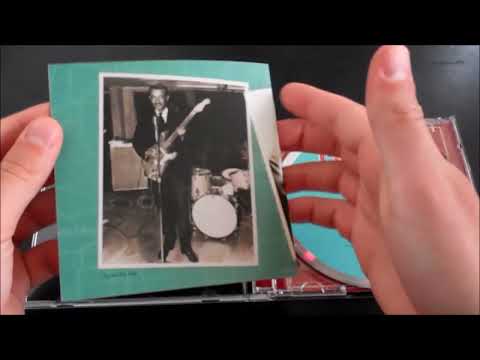
About This Footage
The rare footage of Pee Wee Crayton performing on "Blues After Hours" is a significant addition to the archives of American Rhythm and Blues (R&B) music. Recorded in [undisclosed year], this 4:27 clip offers a glimpse into the life and career of Connie Curtis Crayton, better known as Pee Wee Crayton.
Born in 1914, Crayton's musical journey spanned over seven decades, with his active years coinciding with the emergence of R&B and blues genres. As an artist who contributed significantly to these styles, it is fascinating to see him perform live on "Blues After Hours." The show was a popular program that featured local musicians performing in informal settings, often in bars or clubs.
The rarity of this footage makes it particularly noteworthy. With Crayton's passing in 1985, the opportunity to witness his performances has become increasingly scarce. This clip serves as a valuable resource for music historians and enthusiasts alike, providing a tangible connection to an era that shaped the course of American music.
One aspect worth examining is the context surrounding "Blues After Hours." The show was known for its relaxed atmosphere, often featuring musicians performing in their natural environments. This setting would have allowed Crayton to showcase his skills in a more intimate and informal manner, which may not have been possible in larger concert halls or recording studios.
Crayton's guitar playing is undoubtedly the focal point of this performance. As an influential figure in R&B and blues, his contributions to the development of these genres cannot be overstated. This clip offers a unique opportunity to observe Crayton's technique and style up close, providing insight into the techniques that made him so revered.
The significance of this footage extends beyond its rarity or historical value. It also serves as a reminder of the importance of preserving the cultural heritage of American music. The loss of original recordings and performances has become a pressing concern in recent years, making it essential to document and share these artifacts with a wider audience.
While the specific year of recording is not provided, this clip remains an invaluable addition to any collection of R&B or blues footage. As such, it deserves attention from music enthusiasts and historians who seek to understand the evolution of American music.
Curated from public records and music databases.