About This Footage
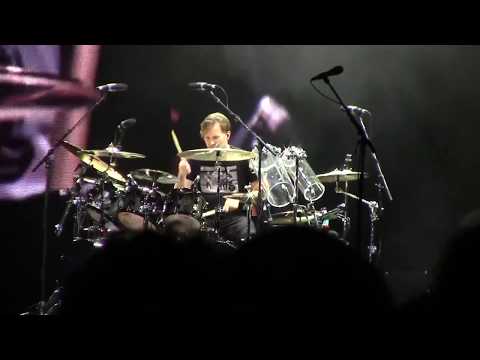
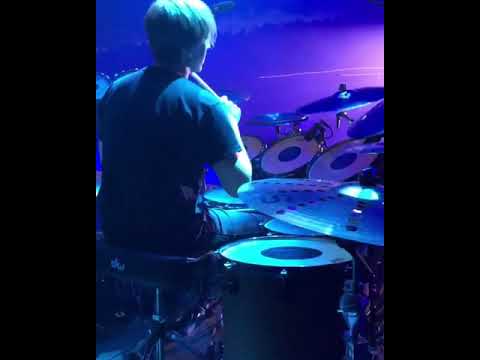
In the dimly lit recesses of Tenacious D's private studio, a snapshot of musical camaraderie is captured on film. Brooks Wackerman, drummer for Bad Religion at the time, sits behind the kit, his fingers dancing across the drums as he brings Trey Green's "The Gay Pirate Song" to life. The year is 2010, and this fleeting moment is a testament to the collaborative spirit that defines the best of rock music.
As we gaze upon Wackerman's focused expression, it's hard not to wonder what other sonic treasures were conjured up in these very walls. Tenacious D, the self-proclaimed "greatest band in the world," has always been about pushing boundaries and having a blast while doing so. Their studio, nestled in Los Angeles, is where the magic happens – a space where creativity knows no bounds and the lines between artist and musician blur.
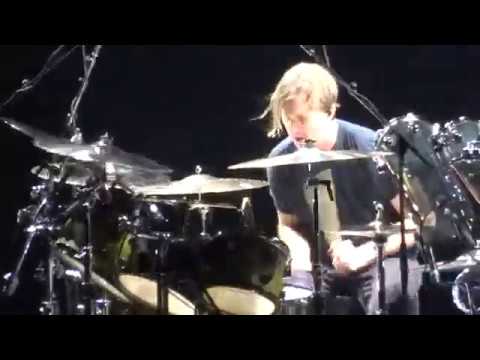
Wackerman's involvement with this project is what makes this clip truly remarkable. A seasoned drummer with a background in punk rock, he brings an unmistakable energy to Green's song. The way he attacks the drums, his movements fluid and deliberate, speaks volumes about his ability to adapt and elevate any material that crosses his path. It's a testament to his skill as a musician and a collaborator.
The context surrounding this footage is equally fascinating. Released in February 2010, Trey Green's second album marks a pivotal moment in the artist's career. This brief clip provides a glimpse into the creative process, offering a rare look at how artists work together to bring their vision to life. It's a reminder that even in the digital age, there's still value in witnessing the raw, unbridled energy of musicians making music.
As we watch Wackerman play, our attention is drawn to the studio itself – the makeshift setup, the scattered instruments, and the sense of informality that pervades every frame. This is not a slickly produced video or a carefully choreographed performance; it's an honest, unvarnished capture of musicians doing what they do best: making music.
The significance of this clip lies in its ability to humanize the creative process. We're often presented with polished, glossy productions that mask the sweat and tears that go into crafting a song. This footage strips away those trappings, revealing the raw emotion and dedication that drives artists like Wackerman and Green. It's a powerful reminder of why we love music in the first place – for its ability to transcend the mundane and connect us on a deeper level.
As the clip fades to black, we're left with an image of Wackerman's hands still poised over the drums, his fingers lingering on the cymbal as if reluctant to let go. It's a poignant moment, one that speaks to the enduring power of music to inspire and uplift us. In this fleeting instant, we're reminded of the magic that happens when artists come together to create something truly special – and it's an experience we can't help but cherish.
Curated from public records and music databases.