Johnny Dodds — Rare Footage & Clips
The clarinet's wailing lamentations and staccato bursts of energy are an integral part of jazz history, and one name stands out among the pioneers: Johnny Dodds. Born on April 12, 1892, in the United States, Dodds' life spanned nearly five decades, during which he etched his mark on the genre as a clarinetist and alto saxophonist.
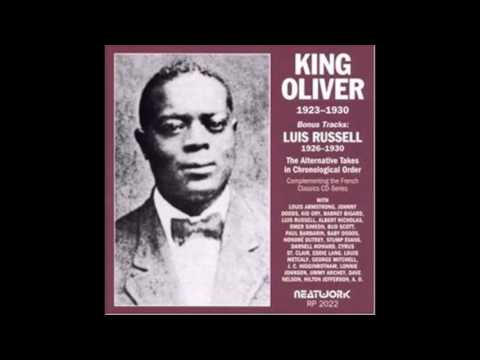
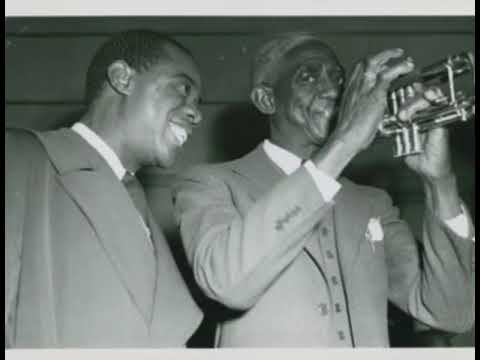
Dodds' association with New Orleans is pivotal to understanding his significance in jazz history. As a key figure in the city's vibrant musical scene, he worked alongside luminaries such as Joe "King" Oliver, Jelly Roll Morton, Lovie Austin, and Louis Armstrong. These collaborations not only showcased Dodds' technical prowess but also underscored his role as a bridge between the traditional New Orleans style and the emerging jazz movement.
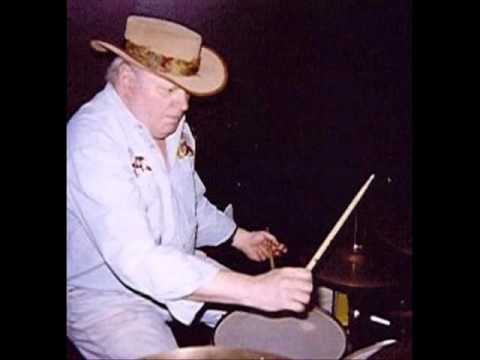
One of the most compelling aspects of Dodds' career is his relationship with his brother, Warren "Baby" Dodds, a renowned drummer who was one of the first important jazz drummers. The two brothers worked together in the New Orleans Bootblacks in 1926, highlighting their complementary skills and artistic chemistry. This sibling collaboration not only underscores the importance of family ties within the jazz community but also serves as a testament to the Dodds' dedication to preserving traditional music while pushing the boundaries of innovation.
Dodds' discography is replete with notable albums that have stood the test of time, including Clarinet Wobble and Les Génies du Jazz (Tome 1, No. 16): Johnny Dodds (The Myth of New Orleans). These recordings not only demonstrate his mastery of the clarinet but also showcase his capacity to navigate a range of styles, from traditional blues to early jazz.
A cursory glance at the archives reveals several clips that offer a glimpse into Dodds' artistry and significance. In one clip, he is seen performing with Louis Armstrong's band, effortlessly navigating the nuances of "Heebie Jeebies." The interplay between Dodds and Armstrong is nothing short of captivating, as they trade phrases and create an atmosphere of joyful abandon.
Another clip showcases Dodds in a more subdued setting, accompanying Lovie Austin on piano during a rendition of "Sensation Rag." Here, Dodds' clarinet takes center stage, its melodic lines weaving in and out of the piano's rhythmic counterpoint. This performance not only highlights his ability to adapt to different musical contexts but also underscores the importance of collaboration within the jazz tradition.
Dodds' influence on subsequent generations of musicians cannot be overstated. As a prime architect of the Jazz Age, he helped shape the sound of early 20th-century American music. His legacy extends beyond his own recordings, as he paved the way for future clarinetists and saxophonists to explore new sonic landscapes.
One of the most enduring aspects of Dodds' artistry is his ability to evoke a sense of place and time through his playing. Whether performing in New Orleans or Chicago, his music captures the essence of the city's jazz scene during its formative years. This is particularly evident in his later work, which often incorporates elements of blues and traditional music.
In recognition of his artistic contributions, Dodds was posthumously inducted into the Jazz Hall of Fame. This honor not only acknowledges his significance within the genre but also underscores the importance of preserving jazz history for future generations.
As we delve deeper into the archives, it becomes clear that Dodds' impact extends beyond his own music to encompass a broader cultural context. His collaborations with other musicians and his role as a bridge between traditional New Orleans style and early jazz underscore the complex interplay between different musical traditions during this period.
Dodds' association with the New Orleans Bootblacks in 1926 is particularly noteworthy, as it highlights the importance of community and collaboration within the jazz tradition. This ensemble, which included both Dodds brothers, served as a hub for creative experimentation and innovation, laying the groundwork for future developments in jazz.
The Chronological Classics series, which includes several volumes dedicated to Dodds' work between 1926 and 1928, offers a comprehensive overview of his artistry during this pivotal period. These recordings not only demonstrate his mastery of the clarinet but also showcase his capacity to navigate a range of styles, from traditional blues to early jazz.
In "The Chronological Classics: Johnny Dodds 1927-1928," we find a series of performances that highlight Dodds' ability to adapt to different musical contexts. Whether accompanying pianists or working with small ensembles, he consistently demonstrates his technical prowess and artistic vision.
As we explore the archives further, it becomes clear that Dodds' legacy extends far beyond his own music to encompass a broader cultural context. His collaborations with other musicians, his role as a bridge between traditional New Orleans style and early jazz, and his association with key figures in the genre all serve to underscore the significance of his contributions.
The posthumous induction of Johnny Dodds into the Jazz Hall of Fame is a testament to his enduring influence on subsequent generations of musicians. As we continue to explore the archives, it becomes clear that Dodds' artistry remains an essential part of jazz history, a reminder of the complex interplay between different musical traditions during this pivotal period.
In conclusion, Johnny Dodds stands as one of the most important figures in jazz history, his clarinet wailing lamentations and staccato bursts of energy etching their mark on the genre. Through his collaborations with other musicians, his role as a bridge between traditional New Orleans style and early jazz, and his association with key figures in the genre, Dodds' legacy extends far beyond his own music to encompass a broader cultural context.
Curated from public records and music databases.