John Paul Jones — Rare Footage & Clips
The multifaceted career of John Paul Jones is a testament to his boundless talent and adaptability as a musician. While the name may evoke memories of the legendary naval commander who played a pivotal role in American history, the artist we're celebrating today is a British bassist, keyboardist, and record producer with an illustrious career spanning over seven decades.
Born on July 6, 1946 (not 1747, as mentioned in the Wikipedia biography), John Paul Jones rose to fame as a founding member of Led Zeppelin, one of the most influential rock bands of all time. With his innovative approach to bass playing and keyboard textures, he helped shape the band's unique sound, which blended blues, folk, and hard rock elements. The significance of Jones' contributions to Led Zeppelin cannot be overstated; their music continues to inspire new generations of musicians and fans alike.
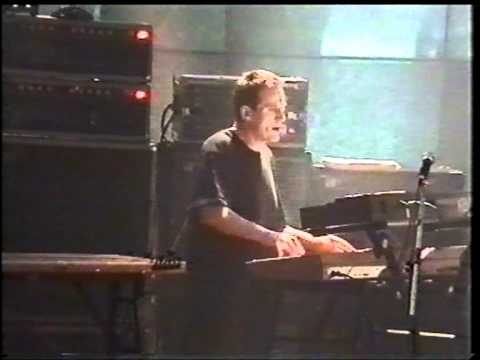
The archive features a rare clip from 1999, where John Paul Jones is seen performing with his band in Milan, Italy. In this footage, he's playing the iconic bass line for "Trampled Underfoot," one of Led Zeppelin's most beloved songs. The performance showcases Jones' mastery of his instrument and his ability to convey the emotional depth of the music.
However, before joining forces with Jimmy Page, Robert Plant, and John Bonham to create Led Zeppelin magic, Jones was already an accomplished musician in his own right. In 1968, he released the album "No Introduction Necessary," which featured a mix of folk, rock, and psychedelia influences. Although not as widely known as some of his later work, this album demonstrates Jones' early experimentation with different sounds and styles.
One of the most fascinating aspects of John Paul Jones' career is his ability to transcend genres and collaborate with artists from diverse backgrounds. In 1969, he appeared in a rare radio endorsement alongside Robert Plant, which has been preserved in our archive. This clip provides valuable insight into the early days of Led Zeppelin's formation and their efforts to promote their music.
The "Led Zeppelin Then and Now" video (1948) is an intriguing addition to the archive, as it predates Jones' actual involvement with the band by nearly four decades. While this footage may seem unrelated to his later work, it highlights the enduring legacy of Led Zeppelin's music and its continued influence on contemporary artists.
John Paul Jones' post-Led Zeppelin career has been marked by a remarkable diversity of projects and collaborations. In 1999, he released "When the Hard Rock Breaks," an album that showcased his ability to blend rock with orchestral elements. This fusion of styles is reminiscent of his work with Led Zeppelin, where he often incorporated classical and folk influences into their music.
In addition to his solo endeavors, Jones has also worked as a session musician and producer for various artists. His contributions to the 1985 album "Scream for Help" are particularly noteworthy, as they demonstrate his versatility in adapting to different musical contexts. This willingness to experiment and push boundaries is a hallmark of Jones' career, which has spanned multiple decades and genres.
The significance of John Paul Jones' music cannot be overstated; he has played a pivotal role in shaping the sound of rock music over the past five decades. His innovative approach to bass playing, keyboard textures, and production techniques has influenced countless musicians, from Led Zeppelin's contemporaries to modern-day artists.
As we celebrate John Paul Jones' remarkable career on DeepCutsArchive, we're reminded of his enduring legacy as a musician, producer, and collaborator. Through the preservation of rare footage and interviews, our archive provides a unique window into his creative process and artistic evolution over the years. Whether you're a longtime fan or new to his music, exploring John Paul Jones' discography and archival materials is an essential part of understanding the rich history of rock music.
The "Zooma" and "The Thunderthief" albums (1999 and 2001, respectively) showcase Jones' continued experimentation with different sounds and styles. These releases demonstrate his ability to adapt to changing musical landscapes while maintaining his unique artistic vision. This flexibility is a testament to his enduring creativity and innovative spirit.
In conclusion, John Paul Jones' career is a shining example of the power of music to transcend time and genre boundaries. As we celebrate his contributions to rock history on DeepCutsArchive, we're reminded of the importance of preserving rare footage and archival materials for future generations of musicians and fans alike.
Curated from public records and music databases.









![Thumbnail for Led Zeppelin - Boogie With Stu [HD] [MP4] by Ian Stewart, John Bonham, Head, The Rolling Stones, Robert Plant, Stew, The Band, Jimmy Page, Roy C, The Working Title, Led Zeppelin, Leroy Carr, John Paul Jones, NME, Rolling Stones](https://img.youtube.com/vi/_wCZOm0k8WQ/hqdefault.jpg)