 51:39Advisory
The John Densmore Interview
John Densmore
SoloInterview
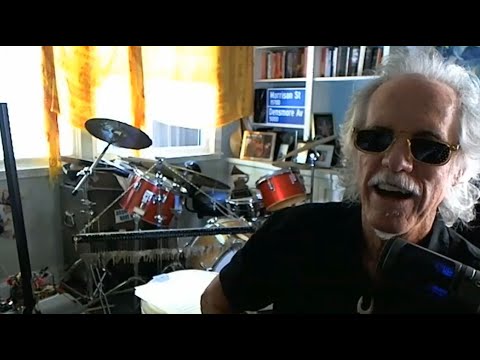
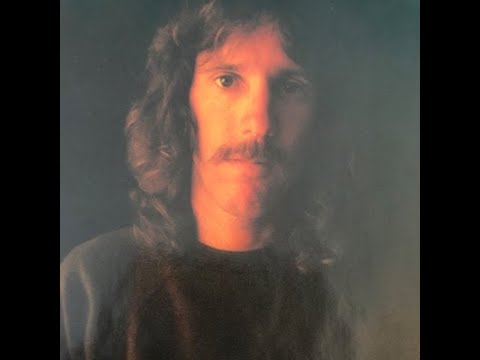
Rare interview footage of John Densmore, curated from across the internet. Browse 2 clips below.
Interviews reveal the person behind the music — their influences, creative process, frustrations, and ambitions. The best music interviews are the candid ones: a backstage chat after a difficult show, a late-night radio session, or a press conference where the artist drops their guard. These clips capture musicians in their own words, often more revealing than any biography.
John Paul Densmore (born December 1, 1944) is an American musician. He is best known as the drummer of the rock band the Doors and as such is a member of the Rock and Roll Hall of Fame. He appeared on every recording made by the band, with drumming inspired by jazz and world music as much as by rock and roll. The many honors he shares with the other Doors include a Grammy Award for lifetime achiev...
Full John Densmorearchive →The enigmatic John Densmore, drummer extraordinaire of the iconic rock band the Doors, has shared his thoughts and experiences in a series of candid interviews that offer a glimpse into the creative mind behind one of the most influential bands of all time.
One of the most revealing clips is "The John Densmore Interview Set II," where he opens up about the band's tumultuous relationship with their record label, Elektra Records. Densmore discusses the tension between the Doors' desire for artistic control and the commercial pressures exerted by the label. This dynamic would ultimately contribute to the band's demise in 1973, but not before they had left an indelible mark on rock music.
In "Smothers Brothers Comedy Hour Dvd Extra Interview With Doors' Drummer John Densmore," Densmore appears alongside his bandmates Jim Morrison and Ray Manzarek. The lighthearted conversation belies the intense creative struggles that lay ahead for the group. This interview provides a fascinating glimpse into the band's early days, showcasing their camaraderie and shared vision.
The "John Densmore Drummer from THE DOORS partial Interview - Legend - Team Race" clip offers a more introspective look at Densmore's drumming style, which was heavily influenced by jazz and world music. He discusses his approach to rhythm and the importance of space in creating a dynamic sound. This insight is particularly valuable given the Doors' innovative fusion of rock with Eastern and Latin American musical traditions.
In "John Densmore - An Amoeba Interview," Densmore reflects on his post-Doors career, which has included work as a solo artist and collaborations with other musicians. He also touches on the enduring legacy of the Doors, including their induction into the Rock and Roll Hall of Fame and the star on the Hollywood Walk of Fame that bears his name.
Throughout these interviews, Densmore's wit and humor shine through, providing an engaging contrast to the more serious discussions about music and art. His dry sense of humor is particularly evident in "The John Densmore Interview Set II," where he pokes fun at the band's reputation for excess and controversy.
One of the most striking aspects of these interviews is the way they humanize a figure often shrouded in mystery. Densmore's candid discussions about his creative process, frustrations, and ambitions offer a refreshing respite from the typical hagiography surrounding rock legends. By sharing his thoughts and experiences, he invites us to see beyond the myth of the Doors and into the complex individual behind the music.
The interviews also provide valuable context for understanding the Doors' innovative sound, which was shaped by Densmore's eclectic influences. His drumming style, in particular, played a crucial role in creating the band's distinctive sonic signature. As he explains in "John Densmore Drummer from THE DOORS partial Interview - Legend - Team Race," his approach to rhythm was informed by a wide range of musical traditions, from jazz and blues to world music.
In addition to their artistic significance, these interviews also offer insights into the cultural landscape of the 1960s. The Doors' music and message resonated with a generation seeking change and self-expression. Densmore's reflections on this era provide a fascinating perspective on the social and cultural currents that shaped rock music during its formative years.
Ultimately, these interviews represent a rare opportunity to hear John Densmore speak in his own voice about his life, music, and creative process. They offer a nuanced portrait of an artist who has left an indelible mark on rock history, while also inviting us to see beyond the myth of the Doors and into the complex individual behind the music.
Curated from public records and music databases.