
Ida Cox
About Ida Cox
Ida M. Cox (née Prather; February 26, 1888 or 1896 – November 10, 1967) was an American singer and vaudeville performer, best known for her blues performances and recordings.
Read more on Wikipedia →Origin
Discography
Blues Ain't Nothin' Else But... (1971)
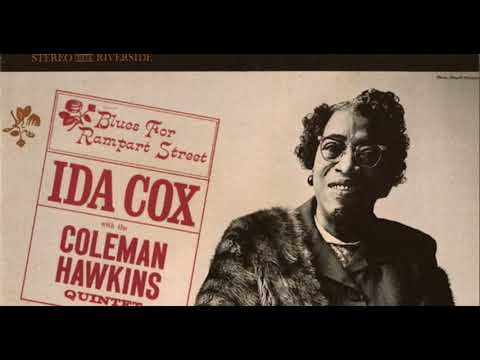
Blues for Rampart Street (1990)
I Can't Quit My Man (1991)
Complete Recorded Works in Chronological Order, Volume 4: 1927-1938 (1995)
Complete Recorded Works in Chronological Order, Volume 1: 1923 (1995)
Complete Recorded Works in Chronological Order, Volume 3: 1925-1927 (1995)
Complete Recorded Works in Chronological Order, Vol. 2: 1924-1925 (1996)
Complete Recorded Works in Chronological Order, Volume 5: 1939-1940 (1999)
Ida Cox — Rare Footage & Clips
The rich tapestry of American music is woven from the threads of countless artists who have contributed to its evolution over the years. Among these pioneers, few have had as profound an impact on the genre of blues as Ida Cox. With a career spanning nearly seven decades, Cox's voice and artistry have left an indelible mark on the music landscape.
One of the earliest recordings of Ida Cox can be found in our archive, dating back to 1923. The clip, taken from her performance at a recording session, showcases her unique vocal style and mastery over the blues idiom. Her voice is characterized by its raw emotion, conveying the depths of human experience through the nuances of pitch and tone.
Cox's early work was largely influenced by the vaudeville circuit, where she honed her craft as a singer and performer. It was during this period that she developed her distinctive style, which would later become synonymous with the blues genre. Her ability to convey the complexities of human emotion through music was unparalleled, earning her a reputation as one of the most compelling performers of her time.
The 1920s saw Cox's popularity soar, with her recordings becoming increasingly sought after by audiences and critics alike. Her music was not only a reflection of her own experiences but also served as a vehicle for social commentary. Through her songs, she addressed issues such as love, heartache, and the struggles faced by African Americans during this period.
Our archive contains several clips from Cox's 1920s recordings, each offering a glimpse into the artist's creative process and artistic vision. One notable example is her rendition of "You Don't Love Me," which showcases her ability to convey the pain and longing that defines so much of her music. The clip is a testament to Cox's skill as a vocalist and songwriter, as she weaves together seemingly disparate elements into a cohesive narrative.
Cox's influence on subsequent generations of blues musicians cannot be overstated. Her unique style and approach have inspired countless artists, from Bessie Smith to Ma Rainey, who followed in her footsteps to become some of the most celebrated performers of their time. The legacy of Ida Cox extends beyond her own music, however, as she played a significant role in shaping the blues genre as we know it today.
The 1930s and 1940s saw Cox continue to record and perform, albeit at a slower pace than during her heyday in the 1920s. Despite this, her music remained relevant, with many of her recordings continuing to be released throughout the decades that followed. In fact, several of her albums were reissued in the 1970s and 1990s, introducing her work to new audiences and cementing her status as a blues legend.
In recent years, there has been a renewed interest in Cox's music, with many artists drawing inspiration from her repertoire. Her songs have been covered by musicians across genres, from jazz to rock, a testament to the timelessness of her artistry. The significance of Ida Cox's contributions to American music cannot be overstated, as she continues to inspire and influence new generations of musicians.
The Complete Recorded Works series, which our archive contains several volumes of, offers a comprehensive look at Cox's discography. These meticulously compiled collections provide a detailed account of her recording career, featuring many of the songs that have become synonymous with her name. The series is a testament to the enduring power of Ida Cox's music, as well as the dedication of those who have worked tirelessly to preserve and promote her legacy.
As we continue to explore the rich history of American blues, it becomes increasingly clear that Ida Cox stands alongside the likes of Bessie Smith and Ma Rainey as one of the genre's most influential figures. Her music has transcended time and place, speaking to audiences across generations with its universal themes and timeless beauty.
Through our archive, we are proud to present a selection of Ida Cox's recordings, offering a glimpse into her remarkable career and artistic vision. As we delve deeper into the world of blues, it is essential that we acknowledge the contributions of pioneers like Cox, who have paved the way for future generations of musicians. Their legacy serves as a reminder of the power of music to transcend time and touch hearts, a testament to the enduring impact of Ida Cox's artistry on the American musical landscape.
Curated from public records and music databases.
Ida Cox by Type
Featured
Rare3 clips

More Clips17 clips
 4:23
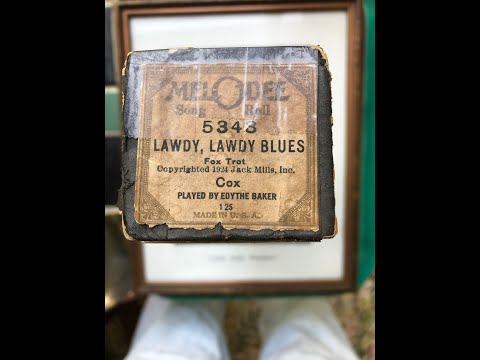
Ida Cox vs. Edythe Baker: 1924 Lawdy, Lawdy Blues
Ida Cox
1960sLive 3:07
Rosen Family Jam: Wild Women Don't Worry
Ida Cox
1990s 3:05
Bessie Smith / Ida Cox Acetate Record
Ida Cox
 3:10
Death Letter Blues / Ida Cox and her All-Star Orchestra
Ida Cox
 3:09
Ida Cox- Death Letter Blues (1939)
Ida Cox
 3:28
«Down The Road Bound Blues» - Ida Cox and The Pruit Twins
Ida Cox
 3:10
Ida Cox, Bone orchard blues
Ida Cox
 2:57
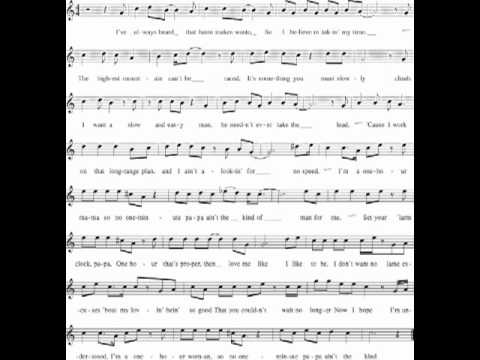
Ida Cox: 'One Hour Mama' 1939
Ida Cox
 2:56
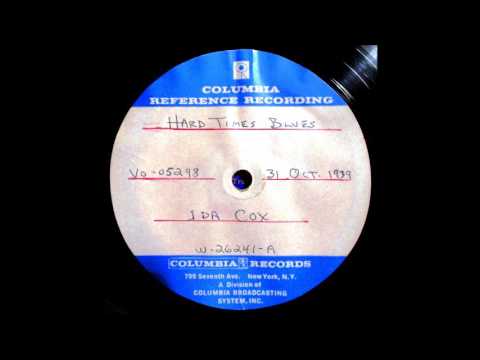
Ida Cox - Hard Time Blues
Ida Cox
 3:03
Ida Cox & Her All Star Band - Take Him Off My Mind
Ida Cox
 3:18
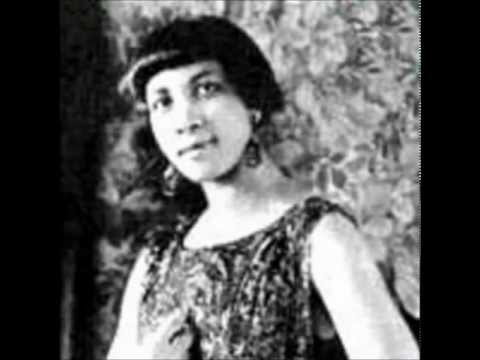
Worried Mama Blues Ida Cox 78 rpm
Ida Cox
 4:17
Ida Cox -Hard Time Blues
Ida Cox
 3:29
LAST MILE BLUES - IDA COX - 78RPM GOLD
Ida Cox
 0:40
Wild Women Sing the Blues - Ida Cox
Ida Cox
 3:17
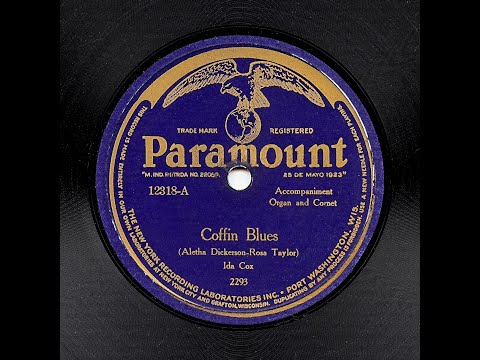
Ida Cox - Coffin Blues
Ida Cox
 2:58
Ida Cox-Hard Time Blues
Ida Cox
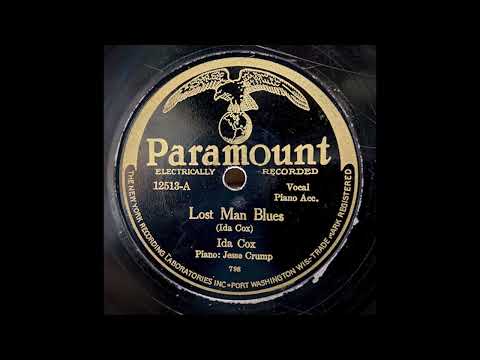 2:37
"Lost Man Blues" - Ida Cox (1927)
Ida Cox