Harry Babasin — Rare Footage & Clips
Harry Babasin's contributions to jazz music are a testament to his innovative spirit and dedication to the art form. As one of the pioneering figures in West Coast Jazz, his influence can still be felt today through the numerous recordings he made during his illustrious career.
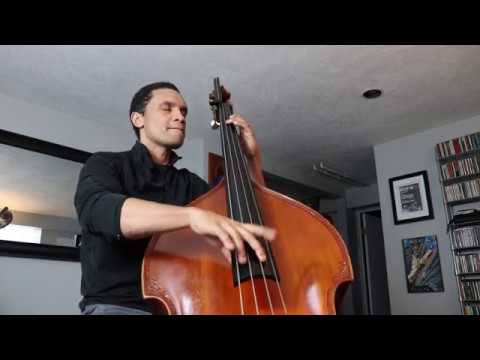
One of the most significant aspects of Babasin's work is his experimentation with unconventional instruments. In 1957, he released an album titled "Harry Babasin and the Jazz Pickers," which featured him playing a cello in a pizzicato style. This was not only a departure from traditional bass playing but also marked one of the first times a jazz cellist had ever recorded using this technique. The significance of this achievement cannot be overstated, as it expanded the sonic possibilities of the double bass and paved the way for future generations of jazz musicians to explore new sounds.
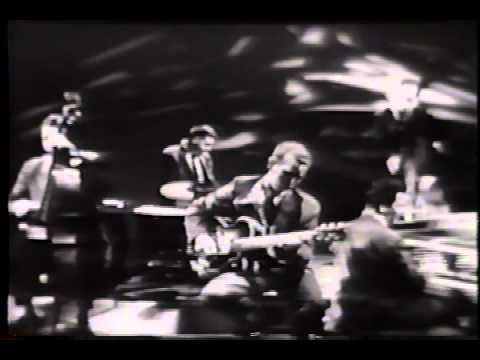
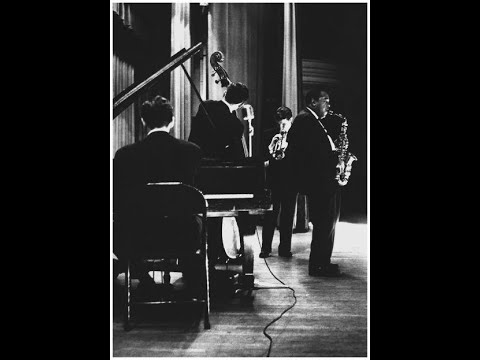
A clip from the archive, "West Coast Jazz Concert," (1957) showcases Babasin's mastery of the cello in a live setting. The video captures his effortless playing style, as he navigates complex chord progressions with ease. This performance is particularly noteworthy for its blend of jazz and Brazilian influences, which was a hallmark of Babasin's unique sound.
Babasin's collaboration with Oscar Pettiford on pizzicato jazz cello recordings is another notable aspect of his career. The two musicians were among the first to push the boundaries of what was possible on the double bass, and their influence can be heard in the work of many subsequent cellists. A clip from "Jazz in Hollywood" (1997) features Babasin reminiscing about his time with Pettiford, highlighting the importance of this partnership in shaping the course of jazz history.
Throughout the 1950s and 1960s, Babasin was a sought-after session player, freelancing for radio and television. His versatility as a musician allowed him to adapt seamlessly to various musical settings, from jazz ensembles to Brazilian-inspired groups. This ability to navigate different styles and genres is a testament to his creative range and willingness to experiment.
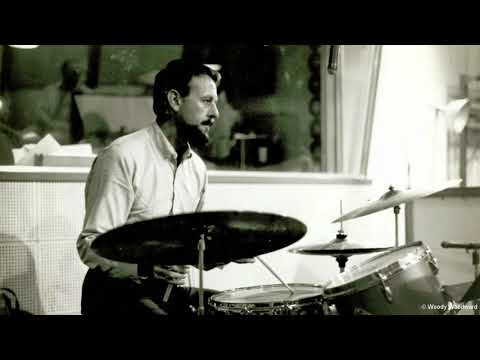
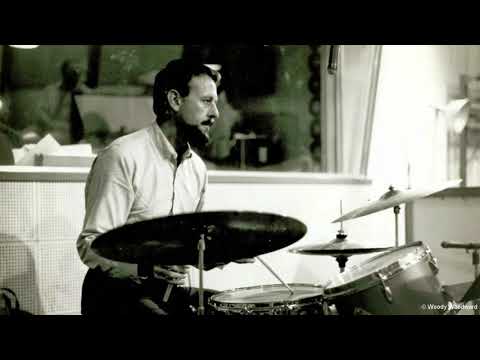
Babasin's entrepreneurial spirit also played a significant role in shaping the music industry of his time. In 1954, he co-founded a record company with drummer [a581138], which went on to produce ten albums featuring Babasin as a performer or producer. This venture not only showcased his business acumen but also provided a platform for him to share his musical vision with a wider audience.
The intersection of jazz and Brazilian music is another area where Babasin made significant contributions. His work in this genre helped to introduce American audiences to the rich musical traditions of Brazil, while also influencing the development of Latin Jazz as a distinct style. A clip from "Jazz in Hollywood" (1997) features Babasin discussing his fascination with Brazilian rhythms and how they informed his own playing.
Babasin's legacy extends beyond his own recordings, as he helped to foster a community of musicians who shared his passion for experimentation and innovation. Through his work on the West Coast Jazz scene, he played a key role in shaping the sound of this influential movement, which continues to inspire jazz musicians today.
In addition to his musical contributions, Babasin's life story is also noteworthy for its human interest. Born in Dallas, Texas in 1921, he began his career as a young musician and went on to become one of the most respected figures in West Coast Jazz. His nickname "The Bear" reflects his rugged individualism and commitment to his art.
Babasin's passing in 1988 marked the end of an era for jazz music. However, his influence continues to be felt through the countless musicians he inspired during his lifetime. As we explore the archive's collection of Harry Babasin recordings, it becomes clear that his innovative spirit and dedication to experimentation have left a lasting impact on the world of jazz.
A clip from "West Coast Jazz Concert" (1957) captures Babasin in his element, surrounded by fellow musicians who shared his passion for pushing the boundaries of what was possible. The video is a testament to the camaraderie and creative energy that defined this era of jazz history, with Babasin at its center.
Babasin's work on "West Coast Jazz Concert" (1957) also highlights his ability to balance technical virtuosity with emotional depth. His playing is characterized by a sense of restraint and subtlety, allowing the listener to focus on the nuances of the music rather than being overwhelmed by showmanship.
The intersection of jazz and Brazilian music in Babasin's work is another area where he made significant contributions. His experimentation with samba rhythms and melodic motifs helped to introduce American audiences to the rich musical traditions of Brazil, while also influencing the development of Latin Jazz as a distinct style.
Babasin's legacy extends beyond his own recordings, as he helped to foster a community of musicians who shared his passion for experimentation and innovation. Through his work on the West Coast Jazz scene, he played a key role in shaping the sound of this influential movement, which continues to inspire jazz musicians today.
In addition to his musical contributions, Babasin's life story is also noteworthy for its human interest. Born in Dallas, Texas in 1921, he began his career as a young musician and went on to become one of the most respected figures in West Coast Jazz. His nickname "The Bear" reflects his rugged individualism and commitment to his art.
Babasin's passing in 1988 marked the end of an era for jazz music. However, his influence continues to be felt through the countless musicians he inspired during his lifetime. As we explore the archive's collection of Harry Babasin recordings, it becomes clear that his innovative spirit and dedication to experimentation have left a lasting impact on the world of jazz.
The significance of Babasin's contributions cannot be overstated, as they helped to shape the course of jazz history in profound ways. His influence can still be felt today through the numerous musicians he inspired during his lifetime, and his legacy continues to inspire new generations of jazz musicians to experiment and innovate.
Babasin's work on "Jazz in Hollywood" (1997) provides a unique perspective on his life and career, as he reflects on his experiences and influences. The video is a testament to the enduring power of music to transcend time and circumstance, as Babasin's passion for jazz continues to inspire and educate audiences today.
The intersection of jazz and Brazilian music in Babasin's work is another area where he made significant contributions. His experimentation with samba rhythms and melodic motifs helped to introduce American audiences to the rich musical traditions of Brazil, while also influencing the development of Latin Jazz as a distinct style.
Babasin's legacy extends beyond his own recordings, as he helped to foster a community of musicians who shared his passion for experimentation and innovation. Through his work on the West Coast Jazz scene, he played a key role in shaping the sound of this influential movement, which continues to inspire jazz musicians today.
In addition to his musical contributions, Babasin's life story is also noteworthy for its human interest. Born in Dallas, Texas in 1921, he began his career as a young musician and went on to become one of the most respected figures in West Coast Jazz. His nickname "The Bear" reflects his rugged individualism and commitment to his art.
Babasin's passing in 1988 marked the end of an era for jazz music. However, his influence continues to be felt through the countless musicians he inspired during his lifetime. As we explore the archive's collection of Harry Babasin recordings, it becomes clear that his innovative spirit and dedication to experimentation have left a lasting impact on the world of jazz.
The significance of Babasin's contributions cannot be overstated, as they helped to shape the course of jazz history in profound ways. His influence can still be felt today through the numerous musicians he inspired during his lifetime, and his legacy continues to inspire new generations of jazz musicians to experiment and innovate.
Curated from public records and music databases.