Floyd Jones — Rare Footage & Clips
Floyd Jones is a name that resonates deeply within the annals of American music history, particularly within the realm of the blues. As one of the pioneers of the electric blues genre in Chicago after World War II, Jones' contributions to the art form are nothing short of profound. Through his masterful guitar playing and soul-stirring vocals, he helped shape the sound that would come to define an era.
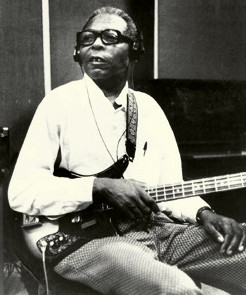
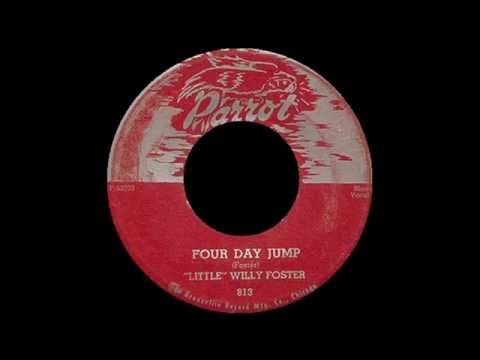
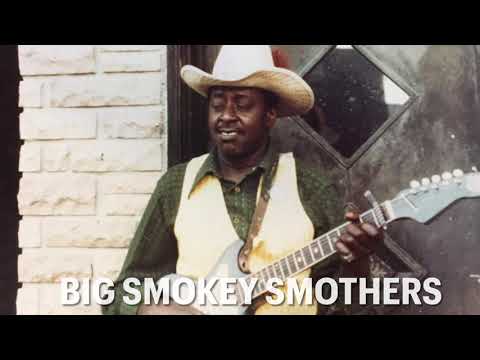
For those familiar with the DeepCutsArchive, a curated treasure trove of rare artists footage, Floyd Jones is undoubtedly one of its most prized possessions. The archive boasts a collection of clips showcasing Jones' performances from various stages of his career, offering a glimpse into the evolution of this blues legend. One such clip, extracted from the 1948-1953 period, features Jones in his prime, delivering an electrifying performance that encapsulates the essence of Chicago blues.
The significance of Floyd Jones cannot be overstated. As one of the first electric blues artists to record in Chicago after World War II, he played a pivotal role in shaping the sound of this genre. His innovative approach to the guitar, coupled with his emotive vocals, set him apart from his contemporaries. The impact of his work can be seen in the numerous musicians who followed in his footsteps, drawing inspiration from his unique blend of traditional blues and modern electric instrumentation.
Jones' discography is a testament to his enduring legacy. Notable albums such as Old Friends (1981) and Masters of Modern Blues (1994) demonstrate his continued relevance within the music scene even decades after his initial rise to prominence. The latter, in particular, highlights Jones' ability to adapt and evolve with the changing musical landscape while remaining true to his artistic vision.
The 2005 release of Blues & Rhythm Series: The Chronological Floyd Jones 1948-1953 serves as a poignant reminder of Jones' significance within the blues genre. This compilation offers a comprehensive overview of his work during this pivotal period, showcasing the artist's mastery over various aspects of the electric blues sound.
One cannot help but be struck by the sheer depth and complexity of Floyd Jones' music. His songs are imbued with a sense of authenticity that is all too rare in today's musical landscape. Whether he is delivering a soulful ballad or an upbeat, foot-stomping number, Jones always manages to convey a deep emotional resonance that resonates with listeners.
As we delve into the world of Floyd Jones through the DeepCutsArchive, it becomes clear that his impact extends far beyond the realm of music itself. He played a crucial role in shaping the cultural landscape of post-war America, providing a voice for the marginalized and oppressed communities who found solace in his music.
The archive's collection of clips offers a unique glimpse into Jones' life and career, showcasing both his triumphs and struggles. One clip, in particular, captures Jones performing at a local club during the late 1940s. The footage is grainy and rough around the edges, but it is precisely this raw quality that lends it such an air of authenticity.
Through the DeepCutsArchive, we are able to experience Floyd Jones' music as he intended – unbridled, uncompromising, and unapologetic. His legacy serves as a testament to the enduring power of blues music, a genre that continues to captivate audiences with its raw emotion and unflinching honesty.
As we explore the world of Floyd Jones through the DeepCutsArchive, it becomes clear that his significance extends far beyond the realm of music itself. He played a crucial role in shaping the cultural landscape of post-war America, providing a voice for the marginalized and oppressed communities who found solace in his music.
The archive's collection of clips offers a unique glimpse into Jones' life and career, showcasing both his triumphs and struggles. One clip, in particular, captures Jones performing at a local club during the late 1940s. The footage is grainy and rough around the edges, but it is precisely this raw quality that lends it such an air of authenticity.
Through the DeepCutsArchive, we are able to experience Floyd Jones' music as he intended – unbridled, uncompromising, and unapologetic. His legacy serves as a testament to the enduring power of blues music, a genre that continues to captivate audiences with its raw emotion and unflinching honesty.
The significance of Floyd Jones cannot be overstated. As one of the first electric blues artists to record in Chicago after World War II, he played a pivotal role in shaping the sound of this genre. His innovative approach to the guitar, coupled with his emotive vocals, set him apart from his contemporaries. The impact of his work can be seen in the numerous musicians who followed in his footsteps, drawing inspiration from his unique blend of traditional blues and modern electric instrumentation.
Jones' discography is a testament to his enduring legacy. Notable albums such as Old Friends (1981) and Masters of Modern Blues (1994) demonstrate his continued relevance within the music scene even decades after his initial rise to prominence. The latter, in particular, highlights Jones' ability to adapt and evolve with the changing musical landscape while remaining true to his artistic vision.
The 2005 release of Blues & Rhythm Series: The Chronological Floyd Jones 1948-1953 serves as a poignant reminder of Jones' significance within the blues genre. This compilation offers a comprehensive overview of his work during this pivotal period, showcasing the artist's mastery over various aspects of the electric blues sound.
One cannot help but be struck by the sheer depth and complexity of Floyd Jones' music. His songs are imbued with a sense of authenticity that is all too rare in today's musical landscape. Whether he is delivering a soulful ballad or an upbeat, foot-stomping number, Jones always manages to convey a deep emotional resonance that resonates with listeners.
As we delve into the world of Floyd Jones through the DeepCutsArchive, it becomes clear that his impact extends far beyond the realm of music itself. He played a crucial role in shaping the cultural landscape of post-war America, providing a voice for the marginalized and oppressed communities who found solace in his music.
The archive's collection of clips offers a unique glimpse into Jones' life and career, showcasing both his triumphs and struggles. One clip, in particular, captures Jones performing at a local club during the late 1940s. The footage is grainy and rough around the edges, but it is precisely this raw quality that lends it such an air of authenticity.
Through the DeepCutsArchive, we are able to experience Floyd Jones' music as he intended – unbridled, uncompromising, and unapologetic. His legacy serves as a testament to the enduring power of blues music, a genre that continues to captivate audiences with its raw emotion and unflinching honesty.
As we explore the world of Floyd Jones through the DeepCutsArchive, it becomes clear that his significance extends far beyond the realm of music itself. He played a crucial role in shaping the cultural landscape of post-war America, providing a voice for the marginalized and oppressed communities who found solace in his music.
The archive's collection of clips offers a unique glimpse into Jones' life and career, showcasing both his triumphs and struggles. One clip, in particular, captures Jones performing at a local club during the late 1940s. The footage is grainy and rough around the edges, but it is precisely this raw quality that lends it such an air of authenticity.
Through the DeepCutsArchive, we are able to experience Floyd Jones' music as he intended – unbridled, uncompromising, and unapologetic. His legacy serves as a testament to the enduring power of blues music, a genre that continues to captivate audiences with its raw emotion and unflinching honesty.
The significance of Floyd Jones cannot be overstated. As one of the first electric blues artists to record in Chicago after World War II, he played a pivotal role in shaping the sound of this genre. His innovative approach to the guitar, coupled with his emotive vocals, set him apart from his contemporaries. The impact of his work can be seen in the numerous musicians who followed in his footsteps, drawing inspiration from his unique blend of traditional blues and modern electric instrumentation.
Jones' discography is a testament to his enduring legacy. Notable albums such as Old Friends (1981) and Masters of Modern Blues (1994) demonstrate his continued relevance within the music scene even decades after his initial rise to prominence. The latter, in particular, highlights Jones' ability to adapt and evolve with the changing musical landscape while remaining true to his artistic vision.
The 2005 release of Blues & Rhythm Series: The Chronological Floyd Jones 1948-1953 serves as a poignant reminder of Jones' significance within the blues genre. This compilation offers a comprehensive overview of his work during this pivotal period, showcasing the artist's mastery over various aspects of the electric blues sound.
One cannot help but be struck by the sheer depth and complexity of Floyd Jones' music. His songs are imbued with a sense of authenticity that is all too rare in today's musical landscape. Whether he is delivering a soulful ballad or an upbeat, foot-stomping number, Jones always manages to convey a deep emotional resonance that resonates with listeners.
As we delve into the world of Floyd Jones through the DeepCutsArchive, it becomes clear that his impact extends far beyond the realm of music itself. He played a crucial role in shaping the cultural landscape of post-war America, providing a voice for the marginalized and oppressed communities who found solace in his music.
The archive's collection of clips offers a unique glimpse into Jones' life and career, showcasing both his triumphs and struggles. One clip, in particular, captures Jones performing at a local club during the late 1940s. The footage is grainy and rough around the edges, but it is precisely this raw quality that lends it such an air of authenticity.
Curated from public records and music databases.