Eddie Taylor — Rare Footage & Clips
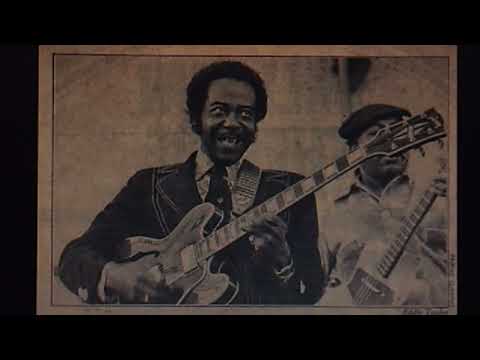
Eddie Taylor's legacy as a blues singer and guitarist is deeply intertwined with the rich musical heritage of Chicago. Born on January 29, 1923, in Benoit, Mississippi, Taylor's journey to becoming a renowned artist began when he moved to Chicago in 1949. It was during this period that he started recording frequently with Jimmy Reed from 1953 to 1967, significantly contributing to the development of the Jimmy Reed sound.
One of the earliest recordings featuring Eddie Taylor as the lead artist is "Bad Boy," which can be found in our archive. This track showcases Taylor's distinctive guitar playing and soulful vocals, setting the tone for his future releases. The song's raw energy and emotional depth demonstrate why it remains a fan favorite to this day.
Taylor's association with Jimmy Reed was not limited to just one or two collaborations; he appeared on numerous recordings alongside Reed during their 14-year partnership. This close working relationship allowed Taylor to develop his skills as a guitarist and vocalist, ultimately leading to him making his first solo recordings under his own name in 1955 for Vee-Jay Records.
The significance of Taylor's contributions to the Jimmy Reed sound cannot be overstated. During this period, Reed was one of the most popular blues musicians, known for hits like "Hush-A-Bye Baby" and "Big Boss Man." Taylor's guitar work on these recordings helped shape Reed's unique sound, which blended traditional Delta blues with a more modern, urban sensibility.
In addition to his work with Jimmy Reed, Eddie Taylor also recorded albums for various labels throughout the 1960s and 1970s. Testament Records released an album featuring Taylor in 1966, while Advent Records issued an album in 1972. These releases demonstrate Taylor's continued growth as a musician, as he began to explore different styles and themes in his music.
The late 1970s saw Taylor release albums on the Japanese label P-Vine, which further expanded his international reach. This period also marked a new wave of interest in blues music, with artists like Eric Clapton and Stevie Ray Vaughan drawing inspiration from classic blues recordings.
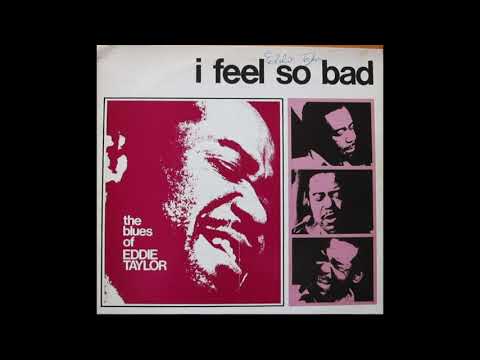
One notable album featuring Eddie Taylor is "Street Talkin'" (1975), released through Testament Records. This album showcases Taylor's ability to craft memorable songs that blend traditional blues with modern sensibilities. Tracks like "Ride 'em on Down" and "I Feel So Bad" demonstrate his mastery of the genre, as he effortlessly navigates between slow, soulful ballads and upbeat, energetic numbers.
Eddie Taylor's influence can also be seen in his family members, who have followed in his footsteps to become accomplished musicians. His son is a renowned blues guitarist, while his stepson has established himself as a skilled drummer. Taylor's daughter, Brenda, is also a talented singer, further solidifying the family's connection to the blues tradition.
In 1982, Taylor released "Original Chicago Blues," which captures the essence of the city's vibrant music scene during the 1950s and 1960s. This album features Taylor alongside other notable musicians, including Carey Bell and Billy Branch. The release serves as a testament to Taylor's enduring legacy within the blues community.
Taylor's final studio recordings were made in 1985 for Antone's Records. These sessions resulted in the albums "Ride 'em on Down" (1989) and "I Feel So Bad" (1991). Although these releases postdate his passing, they demonstrate Taylor's continued creativity and dedication to his craft.
The significance of Eddie Taylor's contributions to music history cannot be overstated. As a guitarist and vocalist, he played an integral role in shaping the sound of Jimmy Reed, one of the most influential blues musicians of all time. Through his solo recordings and collaborations with other artists, Taylor helped define the Chicago blues scene during its heyday.
Taylor's impact on future generations of musicians cannot be overstated either. His family members have followed in his footsteps to become accomplished musicians, carrying on the tradition he helped establish. As a result, Eddie Taylor's legacy extends far beyond his own recordings, influencing countless artists who continue to draw inspiration from his music.
In conclusion, Eddie Taylor's remarkable career serves as a testament to the enduring power of blues music. Through his work with Jimmy Reed and as a solo artist, Taylor left an indelible mark on the genre, inspiring generations of musicians to come. As we celebrate his contributions to music history, we are reminded of the profound impact one artist can have on the world of music.
However, it is essential to note that this introduction barely scratches the surface of Eddie Taylor's remarkable story. There is much more to explore in our archive, including rare footage and interviews that provide a deeper understanding of his life and career.
Curated from public records and music databases.









![Thumbnail for [BLUES ARCHIVES] The only know footage of Jimmy Reed and Eddie Taylor together | Big Boss Man (1968) by Eddie Taylor](https://img.youtube.com/vi/uMlSZkGUodo/hqdefault.jpg)