Earl King — Rare Footage & Clips
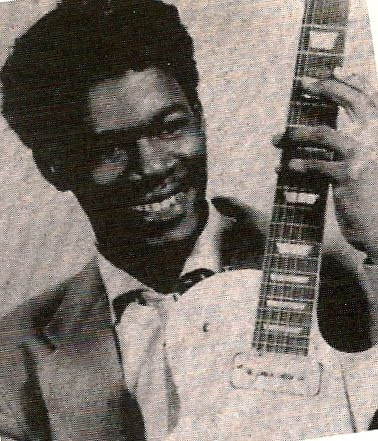
Earl King's legacy as a blues icon is a testament to his enduring influence on the genre. Born Earl Silas Johnson IV in 1934, he was a pivotal figure in shaping New Orleans R&B. His remarkable career spanned over six decades, leaving an indelible mark on music history.
One of the most striking aspects of King's artistry is evident in his songwriting prowess. Classics like "Come On" and "Big Chief" have been covered by some of the most revered blues musicians of all time – Jimi Hendrix, Freddie King, and Stevie Ray Vaughan. The fact that these legends chose to interpret King's compositions speaks volumes about their significance within the blues canon. The archive contains a rare clip of Professor Longhair performing "Big Chief", showcasing King's ability to craft timeless, genre-defining songs.
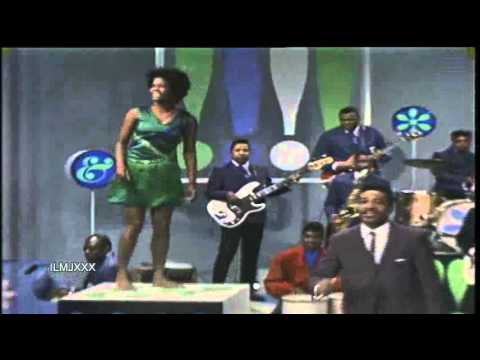
King's own performances are equally captivating, as seen in the extensive footage available on DeepCutsArchive. His guitar work is characterized by a unique blend of New Orleans R&B and blues influences, which he honed during his formative years playing with prominent local musicians. This distinctive style is evident in tracks like "Come On", where King's intricate fingerpicking and emotive vocals transport listeners to the vibrant streets of 1950s New Orleans.
The archive also features a clip from Earl King's 1977 album, That Good [Old] New New Orleans Rock 'N Roll. This record marked a pivotal moment in King's career, as he began to explore new sounds and styles while remaining true to his roots. The album showcases his ability to adapt to changing musical landscapes while maintaining an unwavering commitment to his artistic vision.
Earl King's discography is remarkable for its consistency and diversity. Over the course of his career, he released numerous albums that not only showcased his own talents but also provided a platform for other musicians. Street Parade (1981) and Glazed (1986) are notable examples of this approach, featuring collaborations with artists like Dr. John and the Neville Brothers.
The significance of King's music extends beyond his individual contributions to the blues genre. His work played a crucial role in shaping the sound of New Orleans R&B during its heyday in the 1950s and '60s. As an artist who navigated the complex intersection of blues, rock 'n' roll, and R&B, King's influence can be seen in the music of countless others.
The fact that King continued to release new material well into his sixties is a testament to his boundless creativity and dedication to his craft. Albums like Sexual Telepathy (1990) and Hard River to Cross (1993) demonstrate an artist unafraid to experiment and push boundaries, even in the twilight of his career.
The archive contains footage from King's 2001 album, King of New Orleans, which saw him revisit classic compositions alongside new material. This record serves as a poignant reminder of King's enduring legacy, as he continued to draw upon the musical heritage of his hometown while pushing forward into uncharted territory.
Earl King's passing in 2003 marked the end of an era for New Orleans blues and R&B. His remarkable career, spanning over six decades, left behind a wealth of music that continues to inspire new generations of artists. As we delve into the depths of DeepCutsArchive, it becomes clear that Earl King's impact on the genre extends far beyond his own compositions.
One clip from the archive features an intimate performance of "Come On" at a small club in New Orleans. The raw emotion and energy emanating from King as he delivers this iconic song is nothing short of captivating. Moments like these serve as a poignant reminder of the power of music to transcend time, genre, and geography.
The extensive discography compiled over King's career serves as a testament to his unwavering commitment to his art. Albums like Trick Bag: The Best of Earl King (1987) and New Orleans Street Talkin' (1997) offer a glimpse into the artist's creative process, showcasing his ability to craft compelling narratives through song.
As we explore the rich tapestry of Earl King's music, it becomes increasingly clear that his influence extends far beyond the boundaries of blues and R&B. His work has been cited as an inspiration by artists across multiple genres – from rock 'n' roll to jazz and beyond.
The fact that King continued to release new material until his passing is a testament to his boundless energy and dedication to his craft. Albums like Earl’s Pearls (1997) demonstrate an artist unafraid to experiment and push boundaries, even in the twilight of his career.
In examining the archive's collection of Earl King footage, it becomes evident that his music serves as a poignant reminder of the city's rich musical heritage. His compositions – from "Come On" to "Big Chief" – have become an integral part of New Orleans' cultural identity.
The extensive discography compiled over King's career serves as a testament to his unwavering commitment to his art. Albums like Come On: The Complete Imperial Recordings (2003) offer a glimpse into the artist's creative process, showcasing his ability to craft compelling narratives through song.
As we delve deeper into the archive's collection of Earl King footage, it becomes clear that his music has had a profound impact on generations of artists and fans alike. His legacy serves as a poignant reminder of the power of music to transcend time, genre, and geography – leaving behind a wealth of material that continues to inspire new creative endeavors.
The fact that King's compositions have been covered by some of the most revered blues musicians of all time speaks volumes about their significance within the blues canon. The archive contains footage from Professor Longhair's performance of "Big Chief", showcasing King's ability to craft timeless, genre-defining songs.
Earl King's passing in 2003 marked the end of an era for New Orleans blues and R&B. His remarkable career, spanning over six decades, left behind a wealth of music that continues to inspire new generations of artists.
Curated from public records and music databases.