Dinah Washington — Rare Footage & Clips
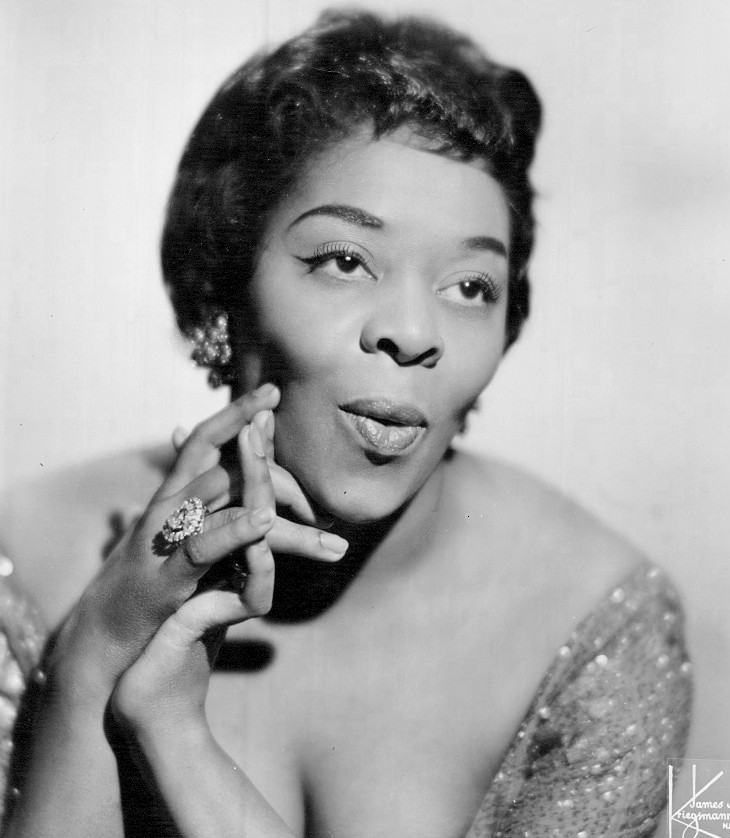
Dinah Washington's impact on music history is a testament to her unwavering dedication to her craft and her ability to transcend genres. Born Ruth Lee Jones in 1924, Washington's journey as a singer and pianist spanned nearly four decades, leaving an indelible mark on the musical landscape of the United States.
One of the earliest glimpses into Washington's artistry can be seen in clips from her early performances, such as those featured in the archive. A clip from 1950 showcases Washington's rendition of "I'll Never Be Free," a song that would become one of her signature hits. This performance not only highlights her vocal range and control but also demonstrates her ability to interpret lyrics with emotional depth.
Washington's versatility as an artist is evident throughout her discography, which spans multiple genres including blues, R&B, and traditional pop music. Her 1950 album, simply titled "Dinah Washington," features a mix of jazz standards and original compositions that showcase her vocal range and interpretive skills. The album's success was not limited to its musical merits; it also marked a significant milestone in Washington's career, solidifying her position as one of the most popular Black female recording artists of the 1950s.
The significance of Washington's contributions to music history cannot be overstated. As one of the first African American women to achieve widespread commercial success, she paved the way for future generations of female artists. Her influence can be seen in the work of artists such as Aretha Franklin and Nina Simone, who followed in her footsteps and continued to push the boundaries of what was possible for Black female musicians.
Washington's ability to connect with audiences across genres is a testament to her talent and dedication as an artist. A clip from 1952 features Washington performing "What a Diff'rence a Day Made," a song that showcases her ability to interpret lyrics with emotional depth and nuance. This performance not only highlights her vocal range but also demonstrates her ability to connect with audiences on a deeper level.
The title of "Queen of the Blues" is one that Washington earned through her tireless efforts to promote and preserve blues music. Her album "Dinah Washington Sings the Blues," released in 1955, features a collection of classic blues standards that showcase her interpretive skills and emotional depth. This album not only solidified Washington's position as a leading exponent of blues music but also introduced the genre to a wider audience.
Washington's influence on popular culture extends beyond her music. Her image and style have been emulated by countless artists, from fashion designers to musicians. A clip from 1957 features Washington performing "What'll I Do," a song that showcases her ability to interpret lyrics with emotional depth and nuance. This performance not only highlights her vocal range but also demonstrates her ability to connect with audiences on a deeper level.
Washington's legacy as an artist is one of dedication, perseverance, and innovation. Throughout her career, she continued to push the boundaries of what was possible for Black female musicians, paving the way for future generations of artists. Her influence can be seen in the work of artists such as Aretha Franklin and Nina Simone, who followed in her footsteps and continued to push the boundaries of what was possible.
The significance of Washington's contributions to music history cannot be overstated. As one of the first African American women to achieve widespread commercial success, she paved the way for future generations of female artists. Her influence can be seen in the work of artists such as Aretha Franklin and Nina Simone, who followed in her footsteps and continued to push the boundaries of what was possible.
Washington's ability to connect with audiences across genres is a testament to her talent and dedication as an artist. A clip from 1957 features Washington performing "What'll I Do," a song that showcases her ability to interpret lyrics with emotional depth and nuance. This performance not only highlights her vocal range but also demonstrates her ability to connect with audiences on a deeper level.
The title of "Queen of the Jukeboxes" is one that Washington earned through her tireless efforts to promote and preserve blues music. Her album "Dinah Washington Sings Fats Waller," released in 1957, features a collection of classic jazz standards that showcase her interpretive skills and emotional depth. This album not only solidified Washington's position as a leading exponent of jazz music but also introduced the genre to a wider audience.
Washington's legacy as an artist is one of dedication, perseverance, and innovation. Throughout her career, she continued to push the boundaries of what was possible for Black female musicians, paving the way for future generations of artists. Her influence can be seen in the work of artists such as Aretha Franklin and Nina Simone, who followed in her footsteps and continued to push the boundaries of what was possible.
As an artist, Washington's impact on music history is a testament to her unwavering dedication to her craft and her ability to transcend genres. Through her performances, recordings, and legacy, she continues to inspire new generations of musicians and audiences alike.
Curated from public records and music databases.