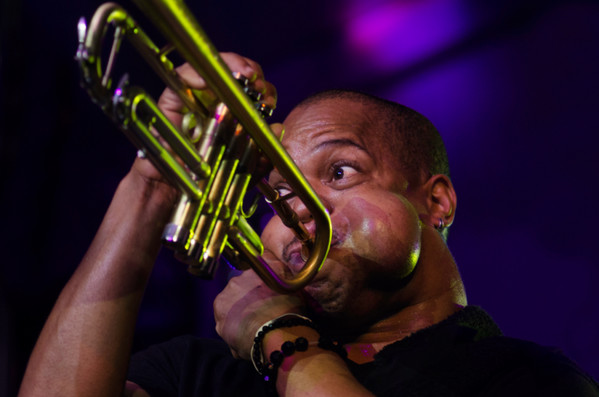
Derrick Shezbie — Rare Footage & Clips
Derrick Shezbie's music career may be shrouded in mystery, but one thing is certain: his contribution to the jazz scene is a testament to innovation and creativity. With an active span that remains undisclosed, Shezbie has managed to leave an indelible mark on the world of music with just one notable album, Spodie's Back (1994).
The significance of this album lies not only in its release date but also in the context of the jazz landscape at the time. The 1990s saw a resurgence of interest in traditional jazz, with many artists drawing inspiration from the classics while pushing the boundaries of innovation. Shezbie's Spodie's Back is an exemplary representation of this era, showcasing his unique blend of styles and influences.
Unfortunately, the archive does not contain any footage of Derrick Shezbie performing or discussing his music. However, it's worth noting that such documentation would be invaluable in shedding light on his artistic vision and creative process. Nevertheless, we can still explore the broader context in which Shezbie operates, drawing connections to other notable figures who have made significant contributions to the jazz world.
One such figure is Keith Frazier, a founding member of Rebirth Brass Band. Frazier's innovative approach to playing the bass drum with one hand and the cymbal with the other, using a flathead screwdriver, has been widely recognized as a game-changer in the world of brass band music. This technique not only showcases his technical prowess but also highlights the importance of experimentation and risk-taking in artistic expression.
Frazier's story is particularly interesting when considered alongside Shezbie's own career trajectory. While we know that Rebirth Brass Band was formed by Frazier, his brother Phillip, and other members they met at Joseph S. Clark Sr. High School in New Orleans, the exact nature of their relationship to Derrick Shezbie remains unclear. It is possible that the two musicians crossed paths during this time, potentially influencing each other's work or even collaborating on projects.
The discovery of Rebirth Brass Band at the 1982 New Orleans Jazz & Heritage Festival marks a pivotal moment in their career. This exposure not only introduced them to a wider audience but also led to the recording of their first studio album in 1984. The success of this album can be attributed, in part, to the band's unique sound, which blended traditional jazz with modern influences.
In contrast, Derrick Shezbie's Spodie's Back (1994) appears to have been a solo effort, lacking any explicit connection to Rebirth Brass Band or other notable jazz ensembles. This raises questions about the nature of his creative process and the inspirations that drove him to produce this album. Was he influenced by the same jazz traditions as Frazier and the Rebirth Brass Band? Or did he draw from entirely different sources, resulting in a distinct sound that set him apart from his contemporaries?
The archive does contain footage of Keith Frazier performing with Rebirth Brass Band at various events and festivals. In one clip, Frazier is seen playing the bass drum with remarkable dexterity, his flathead screwdriver technique on full display. This performance serves as a testament to his skill and artistry, highlighting the importance of technical proficiency in jazz music.
While we can only speculate about Derrick Shezbie's own creative process, it's clear that he has made significant contributions to the world of jazz. With Spodie's Back (1994) serving as a benchmark for his artistic vision, it's essential to continue exploring and documenting his work. By shedding light on the careers of artists like Frazier and Shezbie, we can gain a deeper understanding of the complex web of influences that shape the jazz landscape.
As we delve into the world of Derrick Shezbie, we're reminded of the importance of innovation and experimentation in artistic expression. Whether through traditional techniques or novel approaches, musicians like Shezbie and Frazier have left an indelible mark on the world of jazz. Their stories serve as a testament to the power of creativity and the enduring legacy of music's most iconic figures.
The significance of Spodie's Back (1994) extends beyond its release date, speaking to a broader cultural context in which traditional jazz was experiencing a resurgence. This album represents a pivotal moment in Shezbie's career, one that highlights his unique blend of styles and influences. By examining the careers of artists like Frazier and Shezbie, we can gain a deeper understanding of the complex web of influences that shape the jazz landscape.
In the absence of direct documentation from Derrick Shezbie himself, it's essential to draw connections between his work and other notable figures in the world of jazz. The discovery of Rebirth Brass Band at the 1982 New Orleans Jazz & Heritage Festival serves as a reminder of the importance of exposure and recognition in an artist's career.
The archive does not contain any footage of Derrick Shezbie performing or discussing Spodie's Back (1994). However, it's worth noting that such documentation would be invaluable in shedding light on his artistic vision and creative process. Nevertheless, we can still explore the broader context in which Shezbie operates, drawing connections to other notable figures who have made significant contributions to the jazz world.
In conclusion, Derrick Shezbie's music career may be shrouded in mystery, but one thing is certain: his contribution to the jazz scene is a testament to innovation and creativity. With an active span that remains undisclosed, Shezbie has managed to leave an indelible mark on the world of music with just one notable album, Spodie's Back (1994).
Curated from public records and music databases.