Carmine Appice — Rare Footage & Clips
Carmine Appice's drumsticks clicked out a hypnotic rhythm on the recording of "Eleanor Rigby" in 1966, his distinctive sound helping to define the Beatles' psychedelic era.
Born on December 15, 1946, Appice was already immersed in music as a child. By the early 1960s, he had formed Vanilla Fudge, one of the first rock bands to cover classical pieces like "Ticket to Ride" and "You Keep Me Hangin' On." Their innovative arrangements showcased Appice's versatility behind the kit.
In 1967, Appice joined forces with Jeff Beck, Jimmy Page, and Rod Stewart in the power trio Beck, Bogert & Appice. The band's self-titled debut album featured Appice's dynamic drumming on tracks like "Superstition" and "Liar." His work with BBA would later influence John Bonham's use of bass drum triplets and oversized drum kits.
Appice's associations with various bands throughout the 1970s cemented his reputation as a master drummer. With Cactus, he helped create the heavy blues sound that defined the era. As Rod Stewart's drummer, Appice contributed to some of Stewart's most iconic recordings, including "Maggie May" and "You Wear It Well." His work with King Kobra and Blue Murder further solidified his status as a go-to session musician.
In addition to his work behind the kit, Appice is also an accomplished bass player. This dual talent has allowed him to explore different facets of music, from rock to jazz. His influence can be heard in the playing styles of many notable drummers, including John Bonham and Tommy Aldridge.
Appice's instructional book, The Realistic Rock Drum Method (first published in 1972), remains a staple for aspiring drummers. This comprehensive guide covers essential topics like polyrhythms, linear rudiments, and shuffle rhythms. His influence on modern rock drumming cannot be overstated, as evident from the countless musicians who have cited him as an inspiration.
The Realistic Rock Drum Method has undergone revisions over the years, with the most recent edition being The Ultimate Realistic Rock Drum Method. This revised version incorporates new techniques and exercises, cementing Appice's status as a leading authority on rock drumming instruction.
Throughout his illustrious career, Appice has received numerous accolades. In 2013, he was inducted into the Classic Drummer Hall of Fame, followed by induction into the Modern Drummer Hall of Fame in 2014. These honors recognize his enduring impact on the world of rock music.
Appice's contributions to music history are multifaceted. As a drummer, he has helped shape the sound of various bands and artists. His instructional book has educated generations of musicians, while his influence can be heard in the playing styles of many notable drummers. The significance of Appice's work extends beyond his own performances; it has contributed to the evolution of rock music as a whole.
The 1990s saw Appice return to his solo career with the release of Carmine Appice (1982), followed by several Guitar Zeus albums, which showcased his skills as a guitarist. These albums demonstrated Appice's versatility and willingness to experiment with different styles. His ability to adapt and evolve has been a hallmark of his career.
In recent years, Appice has continued to tour and record with various bands. Live at the House of Blues (2005) captures his energetic live performances, while Bazooka (2005) features his work as a bass player. LA Sessions (2006) offers a glimpse into his studio work, where he has collaborated with numerous artists.
Appice's legacy extends beyond his own music; it has influenced generations of musicians. His contributions to rock drumming have been recognized through various accolades and inductions into esteemed halls of fame. As a drummer, guitarist, and bass player, Appice continues to inspire new audiences with each performance.
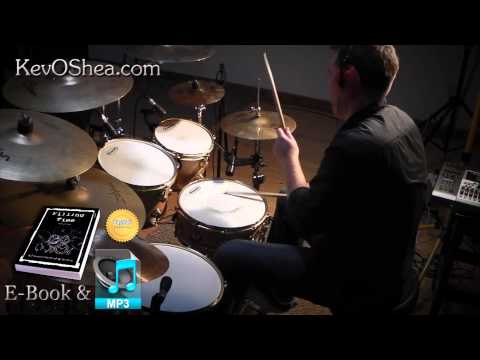
The image of Carmine Appice behind the kit, his sticks clicking out a hypnotic rhythm, remains an iconic representation of rock music's most enduring qualities: creativity, innovation, and a willingness to push boundaries.
Curated from public records and music databases.