Captain Beyond — Rare Footage & Clips
In the sweltering summer of 1972, Los Angeles was abuzz with the sounds of revolution. Rock music was undergoing a seismic shift, and Captain Beyond was at the forefront of this creative upheaval. Formed by a quartet of seasoned musicians - Rod Evans, Bobby Caldwell, Larry Reinhardt, and Lee Dorman - this supergroup embodied the eclecticism that defined the era.
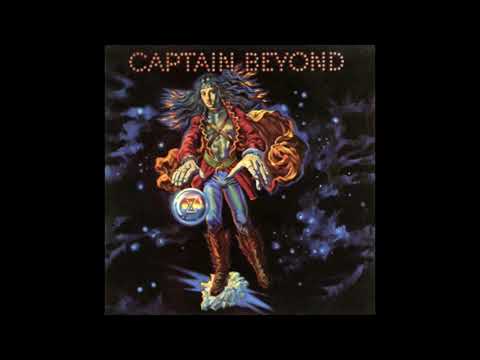
Their debut album, self-titled and released in 1972, was a bold statement of intent. With its fusion of hard rock, progressive rock, jazz, and space rock elements, Captain Beyond defied easy categorization. The album's opening track, "Dreamer", set the tone for an album that was both heavy and cerebral. Evans' soaring vocals, Reinhardt's intricate guitar work, Dorman's melodic bass lines, and Caldwell's driving drums created a sound that was both familiar and innovative.
The band's live performances were equally impressive, as captured on their 1972 Miami show, released in two parts as Live in Miami August 19, 1972. These recordings showcase the group's ability to craft complex arrangements while maintaining a sense of raw energy. The interplay between Evans and Reinhardt is particularly noteworthy, with the former's powerful vocals trading off against the latter's virtuosic guitar playing.
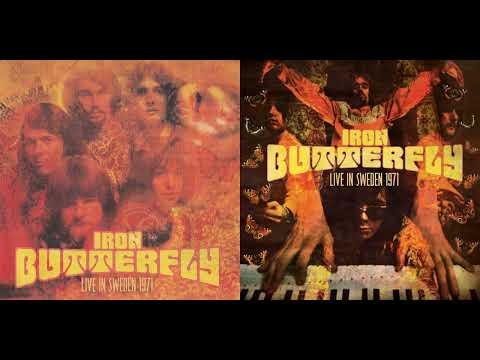
Despite their musical prowess, Captain Beyond was plagued by internal conflicts from its inception. Lawsuits involving Evans, Reinhardt, and Dorman with their former bands - Deep Purple, Iron Butterfly, and Johnny Winter respectively - created a toxic atmosphere that would ultimately contribute to the band's demise. The tension between the musicians was further exacerbated by Capricorn Records' insistence on a more commercial sound, which clashed with the group's artistic vision.
Their sophomore effort, Sufficiently Breathless (1973), saw the band pushing the boundaries of their sound even further. This album is notable for its inclusion of the epic 23-minute title track, which showcases the group's ability to craft sprawling, atmospheric compositions. The song's intricate instrumentation and extended jams make it a standout in the Captain Beyond discography.
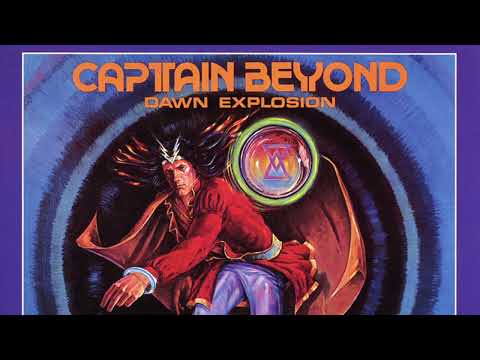
The band's final studio album, Dawn Explosion (1977), marked a significant departure from their earlier work. While still rooted in rock music, this album incorporates more pronounced jazz and funk influences, reflecting the group's continued experimentation. Despite its innovative spirit, Dawn Explosion failed to gain traction with audiences, and Captain Beyond eventually disbanded in 2003.
In recent years, the band has experienced a resurgence of interest, thanks in part to the reissue of their classic albums on CD and vinyl. The 2016 re-release of 04.30.72, which captures the group's live performance from that date, provides a fascinating glimpse into their musical evolution. This album is notable for its inclusion of extended jams and improvisational sections, highlighting the band's ability to create complex, atmospheric soundscapes.
Captain Beyond's legacy extends far beyond their own music. They were one of the first rock bands to incorporate elements of jazz fusion and space rock into their sound, influencing a generation of musicians who followed in their footsteps. Their innovative spirit and willingness to push boundaries have made them a beloved cult act among fans of progressive and hard rock.
The band's significance in music history cannot be overstated. They were part of a pivotal moment in the evolution of rock music, when artists were free to experiment and push the limits of what was possible. Captain Beyond's influence can be heard in bands such as Pink Floyd, King Crimson, and Yes, who all drew upon their innovative spirit and eclecticism.
Despite their internal struggles and commercial setbacks, Captain Beyond remains a testament to the power of creative collaboration. Their music continues to inspire new generations of musicians and fans alike, ensuring that their legacy will endure for years to come.
Curated from public records and music databases.

![Thumbnail for THE 2ND COMING – Evaluations (1969) | Lost Southern Psychedelic Rock [Full Album] by Reese Wynans, R.E.M., The Band, Dickey Betts, The Allman Brothers Band, Duane Allman, Jam session, Lucinda Williams, Cream, Stevie Ray Vaughan, Captain Beyond, Iron Butterfly](https://img.youtube.com/vi/uFwsKteM3zQ/hqdefault.jpg)