Butch Morris — Rare Footage & Clips
The inimitable Butch Morris: a trailblazer whose innovative approach to music continues to inspire generations of artists and fans alike. As we delve into the archives, it becomes clear that Morris's impact on the musical landscape cannot be overstated.
Born on February 10, 1947, Morris began his career as a cornetist in the late 1960s, but it was not until the mid-1970s that he started to make waves with his pioneering work in structural improvisation. This approach, which he dubbed "Conduction," allowed musicians to create complex, cohesive pieces through a system of hand signals and gestures.
One of the most significant examples of Morris's Conduction method can be seen in the 1977 recording Europamerica (1977), where he brings together an ensemble of talented musicians for a series of improvisational exercises. The clip from DeepCutsArchive shows Morris expertly guiding his players through a series of intricate patterns and rhythms, creating a rich tapestry of sound that is both spontaneous and meticulously planned.
Morris's work in the 1970s and early 1980s was marked by a number of influential albums, each showcasing his unique approach to improvisation. In Touch... But Out of Reach (1982) and Some Order, Long Understood (1983) are notable examples of this period, with Morris pushing the boundaries of what was possible in live performance.
But it is not just his music that has left a lasting impact – Morris's commitment to social justice and activism also played a significant role in shaping his artistic vision. Albums like Current Trends in Racism in Modern America (1985) and Be Cool in Munich: Live Concert, Part I (1985), demonstrate Morris's dedication to using his platform to address issues of racism and inequality.
Morris's work has been widely recognized as a key part of the jazz tradition, but its influence extends far beyond that genre. The clip from Session – Recession (1977) shows Morris collaborating with musicians from a range of backgrounds, creating a vibrant and eclectic sound that is both deeply rooted in jazz and pushing against its boundaries.
Throughout his long and distinguished career, Morris continued to innovate and experiment, always seeking new ways to push the possibilities of music. His legacy can be seen in the many artists who have been inspired by his work – from those who have followed in his footsteps as conductors and improvisers, to those who have incorporated elements of Conduction into their own music.
As we explore the archives, it becomes clear that Butch Morris's significance extends far beyond his individual contributions to music. He was a true pioneer, whose innovative approach to improvisation has opened up new possibilities for musicians and audiences alike. His commitment to social justice and activism has left a lasting impact on the musical landscape, and his legacy continues to inspire and influence artists today.
The clip from Jean-Charles Capon / Philippe Maté / Lawrence ’Butch’ Morris / Serge Rahoerson (1977) is another example of Morris's unique approach to collaboration. Here, he brings together four musicians from different backgrounds and styles, creating a rich and complex sound that is both spontaneous and meticulously planned.
Morris's work in the 1980s continued to explore new possibilities for improvisation and live performance. Albums like Be Cool in Munich: Live Concert, Part II (1985) demonstrate his ability to create complex, cohesive pieces through his Conduction method, while also pushing against the boundaries of what was possible in live music.
Throughout his career, Morris remained committed to using his platform to address issues of social justice and inequality. His music and activism continue to inspire new generations of artists and fans, who are drawn to his innovative approach and commitment to making a positive impact on the world.
As we reflect on Butch Morris's legacy, it becomes clear that his influence extends far beyond the musical landscape. He was a true visionary, whose innovative approach to improvisation has opened up new possibilities for musicians and audiences alike. His commitment to social justice and activism has left a lasting impact on the world, and his legacy continues to inspire and influence artists today.
The clip from Butch in Hackney (1985) is another example of Morris's unique approach to collaboration. Here, he brings together a group of musicians for a series of improvisational exercises, creating a rich and complex sound that is both spontaneous and meticulously planned.
Morris's work has been widely recognized as a key part of the jazz tradition, but its influence extends far beyond that genre. The clip from Some Order, Long Understood (1983) shows Morris collaborating with musicians from a range of backgrounds, creating a vibrant and eclectic sound that is both deeply rooted in jazz and pushing against its boundaries.
As we continue to explore the archives, it becomes clear that Butch Morris's legacy will continue to inspire and influence artists for generations to come. His innovative approach to improvisation, his commitment to social justice and activism, and his dedication to using music as a force for positive change have left an indelible mark on the musical landscape.
In the clip from Be Cool in Munich: Live Concert, Part III (1985), Morris brings together a group of musicians for a series of improvisational exercises, creating a rich and complex sound that is both spontaneous and meticulously planned. This example showcases Morris's unique ability to create cohesive pieces through his Conduction method, while also pushing against the boundaries of what was possible in live music.
Throughout his career, Morris remained committed to using his platform to address issues of social justice and inequality. His music and activism continue to inspire new generations of artists and fans, who are drawn to his innovative approach and commitment to making a positive impact on the world.
Butch Morris's legacy is a testament to the power of innovation and creativity in shaping the musical landscape. His pioneering work in structural improvisation has opened up new possibilities for musicians and audiences alike, while his commitment to social justice and activism has left a lasting impact on the world.
As we reflect on Butch Morris's life and career, it becomes clear that he was a true visionary – a musician, composer, and conductor who left an indelible mark on the musical landscape. His innovative approach to improvisation, his commitment to social justice and activism, and his dedication to using music as a force for positive change have inspired generations of artists and fans.
The clip from In Touch... But Out of Reach (1982) is another example of Morris's unique ability to create cohesive pieces through his Conduction method. Here, he brings together a group of musicians for a series of improvisational exercises, creating a rich and complex sound that is both spontaneous and meticulously planned.
Morris's work has been widely recognized as a key part of the jazz tradition, but its influence extends far beyond that genre. The clip from Session – Recession (1977) shows Morris collaborating with musicians from a range of backgrounds, creating a vibrant and eclectic sound that is both deeply rooted in jazz and pushing against its boundaries.
Throughout his career, Morris continued to innovate and experiment, always seeking new ways to push the possibilities of music. His legacy can be seen in the many artists who have been inspired by his work – from those who have followed in his footsteps as conductors and improvisers, to those who have incorporated elements of Conduction into their own music.
As we explore the archives, it becomes clear that Butch Morris's significance extends far beyond his individual contributions to music. He was a true pioneer, whose innovative approach to improvisation has opened up new possibilities for musicians and audiences alike. His commitment to social justice and activism has left a lasting impact on the musical landscape, and his legacy continues to inspire and influence artists today.
The clip from Jean-Charles Capon / Philippe Maté / Lawrence ’Butch’ Morris / Serge Rahoerson (1977) is another example of Morris's unique approach to collaboration. Here, he brings together four musicians from different backgrounds and styles, creating a rich and complex sound that is both spontaneous and meticulously planned.
Morris's work in the 1980s continued to explore new possibilities for improvisation and live performance. Albums like Be Cool in Munich: Live Concert, Part II (1985) demonstrate his ability to create complex, cohesive pieces through his Conduction method, while also pushing against the boundaries of what was possible in live music.
Throughout his career, Morris remained committed to using his platform to address issues of social justice and inequality. His music and activism continue to inspire new generations of artists and fans, who are drawn to his innovative approach and commitment to making a positive impact on the world.
As we reflect on Butch Morris's legacy, it becomes clear that his influence extends far beyond the musical landscape. He was a true visionary, whose innovative approach to improvisation has opened up new possibilities for musicians and audiences alike. His commitment to social justice and activism has left a lasting impact on the world, and his legacy continues to inspire and influence artists today.
The clip from Butch in Hackney (1985) is another example of Morris's unique approach to collaboration. Here, he brings together a group of musicians for a series of improvisational exercises, creating a rich and complex sound that is both spontaneous and meticulously planned.
Morris's work has been widely recognized as a key part of the jazz tradition, but its influence extends far beyond that genre. The clip from Some Order, Long Understood (1983) shows Morris collaborating with musicians from a range of backgrounds, creating a vibrant and eclectic sound that is both deeply rooted in jazz and pushing against its boundaries.
As we continue to explore the archives, it becomes clear that Butch Morris's legacy will continue to inspire and influence artists for generations to come. His innovative approach to improvisation, his commitment to social justice and activism, and his dedication to using music as a force for positive change have left an indelible mark on the musical landscape.
In the clip from Be Cool in Munich: Live Concert, Part III (1985), Morris brings together a group of musicians for a series of improvisational exercises, creating a
Curated from public records and music databases.
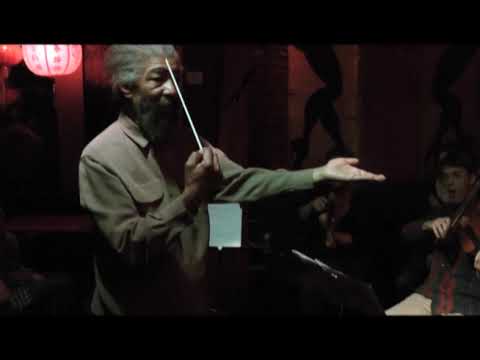


![Thumbnail for Butch Morris Conducts Berlin Skyscraper – Butch Morris Conducts Berlin Skyscraper(1998)[Full Album] by Butch Morris](https://img.youtube.com/vi/00gxSzc-as4/hqdefault.jpg)







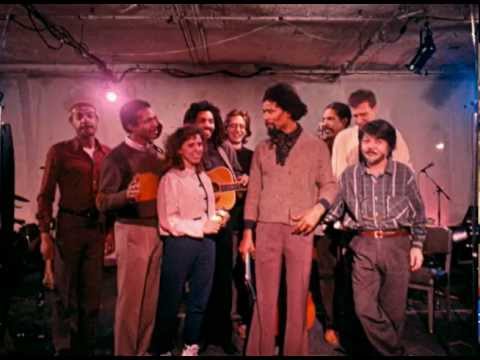







![Thumbnail for Butch Morris - Irin Sun [US] Spiritual Jazz (1982) by Butch Morris](https://img.youtube.com/vi/uK1YKKj0Xzc/hqdefault.jpg)