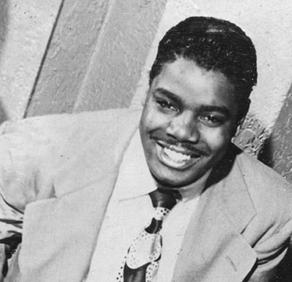
Benny Benjamin — Rare Footage & Clips
In the cramped, dimly lit studios of Hitsville U.S.A., a tiny studio in Detroit's inner city, Benny Benjamin pounded out the beat that would become an integral part of American music history. As the primary drummer for The Funk Brothers, Motown's legendary house band, Benjamin's rhythmic foundation anchored some of the most iconic recordings of the 20th century.
Benjamin's contribution to the Motown sound was not limited to his drumming skills; he also co-wrote several songs with other members of The Funk Brothers. One such collaboration was "You've Really Got a Hold on Me," recorded in 1962 by Smokey Robinson and The Miracles. The song's driving beat, courtesy of Benjamin's precise drumming, propelled the track to the top of the Billboard charts.
The Funk Brothers' work with Marvin Gaye is another testament to Benjamin's impact on music history. On "What's Going On," released in 1971, Benjamin's understated yet powerful drumming provided a subtle backbone for Gaye's socially conscious lyrics. Although recorded after Benjamin's passing, the song remains a landmark of his influence.
Benjamin's induction into the Rock and Roll Hall of Fame in 2003 was a long-overdue recognition of his contributions to American music. His legacy extends beyond The Funk Brothers; he also played with other notable artists, including Stevie Wonder and Aretha Franklin. In 2016, Rolling Stone magazine ranked Benjamin as the eleventh best drummer of all time.
Benjamin's nickname, "Papa Zita," was a testament to his larger-than-life personality. Born on July 25, 1925, he began his music career in the late 1940s, playing with various jazz and R&B ensembles before joining The Funk Brothers in 1959. His tenure with Motown spanned over a decade, during which time he played on countless recordings that have become synonymous with the label's signature sound.
One of Benjamin's most notable contributions to music history is his role as the primary drummer for The Funk Brothers' work on Stevie Wonder's "Fingertips (Part 2)." Recorded in 1963 when Wonder was just twelve years old, the song's innovative use of drum machines and other electronic elements was a precursor to the futuristic soundscapes that would become a hallmark of Wonder's later work.
Benjamin's influence can also be heard on The Temptations' "My Girl," another classic Motown recording. His subtle yet driving beat provided the perfect counterpoint to David Ruffin's soulful vocals, cementing the song's place as one of the greatest pop recordings of all time.
In addition to his work with The Funk Brothers, Benjamin also played on numerous other Motown recordings, including Mary Wells' "My Guy" and The Supremes' "Where Did Our Love Go." His versatility behind the drums was matched only by his ability to adapt to any musical style or genre, from jazz and blues to pop and rock.
Benjamin's passing on April 20, 1969, marked a significant loss for the music world. Although he had been with Motown for over a decade, his contributions to the label's sound were just beginning to be fully appreciated at the time of his death. In the years since, Benjamin's legacy has continued to grow, with numerous accolades and tributes paying homage to his enduring influence on American music.
The Funk Brothers' work with The Supremes is another testament to Benjamin's impact on music history. On "Where Did Our Love Go," recorded in 1964, Benjamin's understated yet powerful drumming provided a subtle backbone for the song's catchy melody and memorable lyrics. The song's success marked a turning point for Motown, cementing the label's status as one of the leading forces in popular music.
Benjamin's legacy extends beyond his work with The Funk Brothers; he also played with other notable artists, including Aretha Franklin and Stevie Wonder. In 2016, Rolling Stone magazine ranked Benjamin as the eleventh best drummer of all time, a testament to his enduring influence on American music.
The Motown sound, which Benjamin helped shape through his drumming and songwriting contributions, has had a lasting impact on popular music. From its early days in Detroit's inner city to its global reach today, the Motown legacy continues to inspire new generations of musicians and fans alike.
Benjamin's nickname, "Papa Zita," was a testament to his larger-than-life personality. Born on July 25, 1925, he began his music career in the late 1940s, playing with various jazz and R&B ensembles before joining The Funk Brothers in 1959. His tenure with Motown spanned over a decade, during which time he played on countless recordings that have become synonymous with the label's signature sound.
Benjamin's influence can be heard in the work of countless other artists who followed in his footsteps. From Stevie Wonder to Marvin Gaye, and from The Supremes to The Temptations, Benjamin's contributions to American music continue to inspire new generations of musicians and fans alike.
The Motown legacy is a testament to the enduring power of music to bring people together. From its early days in Detroit's inner city to its global reach today, the label's impact on popular music has been profound. And at the heart of it all was Benny Benjamin, a drummer, songwriter, and larger-than-life personality who left an indelible mark on American music.
Benjamin's passing on April 20, 1969, marked a significant loss for the music world. Although he had been with Motown for over a decade, his contributions to the label's sound were just beginning to be fully appreciated at the time of his death. In the years since, Benjamin's legacy has continued to grow, with numerous accolades and tributes paying homage to his enduring influence on American music.
In the cramped, dimly lit studios of Hitsville U.S.A., Benny Benjamin pounded out the beat that would become an integral part of American music history. His legacy continues to inspire new generations of musicians and fans alike, a testament to the enduring power of music to bring people together.
Curated from public records and music databases.