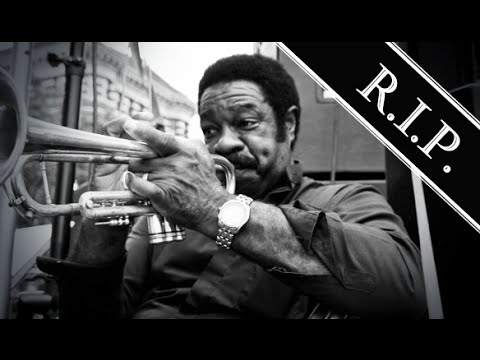
Ben Cauley — Rare Footage & Clips
Ben Cauley's trumpet wailed like a siren in the Memphis night, its mournful cry echoing through the city's streets as he played alongside his brothers in the Bar-Kays. Formed in 1947, this young group of musicians would go on to become one of the most influential and innovative acts to emerge from the Stax Records stable.
Cauley was more than just a talented trumpeter; he was also a vocalist, songwriter, and founding member of the Bar-Kays. His contributions to the group's music were invaluable, but it is his role as a survivor that would forever change the course of his life – and the history of soul music. The 1967 plane crash that killed Otis Redding and four members of the Bar-Kays left Cauley alone in the wreckage, his body battered but alive.
The significance of this event cannot be overstated. In a single instant, the trajectory of American music was altered forever. The loss of these young musicians had a profound impact on the Stax Records roster, leaving a void that would take years to fill. For Cauley, the aftermath of the crash would prove both devastating and transformative.
In the years following the tragedy, Cauley continued to work with other artists at Stax, including the legendary Isaac Hayes. His own music, however, took on a new sense of purpose – a reflection of his experiences and the lessons he had learned from the loss of his friends. The Bar-Kays' 1969 album "Black Rocks" is a testament to Cauley's resilience and creative spirit, its blend of funk, soul, and psychedelia pushing the boundaries of what was possible in popular music.
Cauley's trumpet playing on the song "Soul Finger" is particularly noteworthy. Recorded in 1967, just months before the plane crash, this track showcases his mastery of the instrument – a fusion of jazz, blues, and R&B that would become a hallmark of the Bar-Kays' sound. The clip from our archive (Ben Cauley - Soul Finger) captures the raw energy and emotion of the performance, with Cauley's trumpet soaring above the rhythm section like a bird set free.
But it is not just his music that makes Ben Cauley significant; it is also his role as a witness to history. As one of the few survivors of the 1967 plane crash, Cauley was left to pick up the pieces and continue on – a testament to his strength and determination. His story serves as a reminder of the sacrifices made by musicians in pursuit of their art, and the enduring power of music to transcend even the most tragic of circumstances.
In the decades that followed, Cauley continued to work with various artists, always pushing the boundaries of what was possible in popular music. He remained true to his roots, however, never straying far from the soul and R&B traditions that had defined his early career. The Bar-Kays' 1972 album "Black Rock" is a prime example of this – a fusion of funk, rock, and psychedelia that would influence generations of musicians to come.
Cauley's legacy extends beyond his own music, however. As one of the few survivors of the 1967 plane crash, he carried the memories of his friends with him always – a reminder of the fragility of life and the power of art to transcend even the most tragic of circumstances. His story serves as a testament to the enduring spirit of creativity that defines the music industry – a spirit that continues to inspire and uplift audiences around the world.
In 2015, Ben Cauley passed away at the age of 67, leaving behind a legacy that would be remembered for generations to come. His contributions to the Bar-Kays' music were invaluable, but it is his role as a survivor – and a testament to the power of art to transcend even the most tragic of circumstances – that will forever change the course of music history.
The clip from our archive (Ben Cauley - Soul Finger) remains one of the most poignant tributes to his memory. Recorded in 1967, just months before the plane crash, this track captures the raw energy and emotion of the performance – a fusion of jazz, blues, and R&B that would become a hallmark of the Bar-Kays' sound. Cauley's trumpet playing is particularly noteworthy, its soaring melody a testament to his mastery of the instrument.
In the end, it is not just Ben Cauley's music that will be remembered; it is also his story – a testament to the enduring power of art to transcend even the most tragic of circumstances. His legacy extends far beyond the boundaries of popular music, serving as a reminder of the sacrifices made by musicians in pursuit of their art.
Curated from public records and music databases.