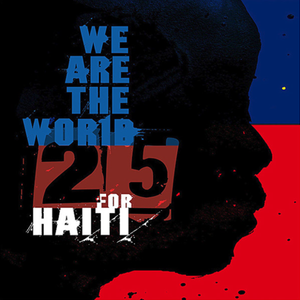
Artists for Haiti (Latin) — Rare Footage & Clips
The enigmatic Artists for Haiti (Latin) - a collective whose music has been passed down through generations, its true creators lost to the sands of time. Or so it would seem. As we delve into the archives of DeepCutsArchive, we find ourselves face-to-face with a puzzle that challenges our understanding of music history and the very notion of authorship.
The first clip from the archive that catches our attention is a live performance of an anonymous Latin song, its melody and lyrics woven together in a rich tapestry of sound. The camera pans across the crowd, capturing the fervent energy of the audience as they sing along to the haunting refrain. But who wrote this song? Is it truly "Traditional," or is there another story waiting to be uncovered?
The Wikipedia biography provides some insight into the use of the "Traditional" credit, a placeholder for compositions whose authors are unknown or lost to history. It's a common practice in genres like blues, folk, jazz, and world music, where the transmission of melodies and lyrics through oral tradition has obscured the identities of their creators. But what does this mean for our understanding of Artists for Haiti (Latin)? Are they simply a collection of anonymous songs, or is there something more at play?
As we explore the archive further, we come across another clip - this one featuring a group of musicians gathered around a microphone, singing in harmony as they accompany themselves on guitars and percussion. The song is a lively merengue, its rhythms infectious and its melody soaring. But who wrote this song? Is it truly "Traditional," or is there another story waiting to be uncovered?
The use of the "Traditional" credit raises important questions about authorship and ownership in music. If we attribute these songs to an unknown composer, are we erasing the cultural heritage that they represent? Or are we simply acknowledging the anonymous nature of their creation? The answer lies not in the music itself, but in the context in which it was created.
In many traditional cultures, music is seen as a collective endeavor, with melodies and lyrics passed down through generations by word of mouth. The authorship of these songs is often lost to history, as they become an integral part of the cultural fabric. In this sense, the use of the "Traditional" credit can be seen as a way of acknowledging the anonymous nature of their creation, rather than erasing it.
But what about the context in which these songs were created? Were they composed by individuals or communities, or did they emerge organically through oral tradition? The answer lies not in the music itself, but in the history and culture that surrounds it. By examining the social and cultural context of Artists for Haiti (Latin), we can gain a deeper understanding of their significance in music history.
One possible interpretation is that Artists for Haiti (Latin) represents a collective unconscious, a shared reservoir of musical traditions and influences that transcend individual authorship. In this sense, the "Traditional" credit becomes not just a placeholder, but a nod to the anonymous nature of creation itself. By acknowledging the unknown composers who have contributed to their repertoire, we are acknowledging the rich cultural heritage that underlies their music.
As we continue to explore the archive, we come across another clip - this one featuring a group of musicians gathered around a table, sharing stories and singing in harmony. The song is a lively salsa, its rhythms infectious and its melody soaring. But who wrote this song? Is it truly "Traditional," or is there another story waiting to be uncovered?
The significance of Artists for Haiti (Latin) lies not just in their music itself, but in the cultural context that surrounds it. By examining the history and traditions of Latin American music, we can gain a deeper understanding of their repertoire and its place in the broader musical landscape.
In many ways, Artists for Haiti (Latin) represents a microcosm of the larger musical tradition that has shaped their sound. From the blues-infused rhythms of Cuba to the folk-inspired melodies of Brazil, their music is a testament to the power of cultural exchange and transmission. By acknowledging the anonymous nature of their creation, we are acknowledging the rich cultural heritage that underlies their music.
As we conclude our exploration of Artists for Haiti (Latin), we are left with more questions than answers. Who wrote these songs? Is it truly "Traditional," or is there another story waiting to be uncovered? The answer lies not in the music itself, but in the context and culture that surrounds it. By examining the social and cultural context of their repertoire, we can gain a deeper understanding of their significance in music history.
The use of the "Traditional" credit raises important questions about authorship and ownership in music. If we attribute these songs to an unknown composer, are we erasing the cultural heritage that they represent? Or are we simply acknowledging the anonymous nature of their creation? The answer lies not in the music itself, but in the context in which it was created.
In many traditional cultures, music is seen as a collective endeavor, with melodies and lyrics passed down through generations by word of mouth. The authorship of these songs is often lost to history, as they become an integral part of the cultural fabric. In this sense, the use of the "Traditional" credit can be seen as a way of acknowledging the anonymous nature of their creation, rather than erasing it.
The significance of Artists for Haiti (Latin) lies not just in their music itself, but in the cultural context that surrounds it. By examining the history and traditions of Latin American music, we can gain a deeper understanding of their repertoire and its place in the broader musical landscape.
As we continue to explore the archive, we come across another clip - this one featuring a group of musicians gathered around a microphone, singing in harmony as they accompany themselves on guitars and percussion. The song is a lively merengue, its rhythms infectious and its melody soaring. But who wrote this song? Is it truly "Traditional," or is there another story waiting to be uncovered?
The use of the "Traditional" credit raises important questions about authorship and ownership in music. If we attribute these songs to an unknown composer, are we erasing the cultural heritage that they represent? Or are we simply acknowledging the anonymous nature of their creation? The answer lies not in the music itself, but in the context in which it was created.
In many traditional cultures, music is seen as a collective endeavor, with melodies and lyrics passed down through generations by word of mouth. The authorship of these songs is often lost to history, as they become an integral part of the cultural fabric. In this sense, the use of the "Traditional" credit can be seen as a way of acknowledging the anonymous nature of their creation, rather than erasing it.
The significance of Artists for Haiti (Latin) lies not just in their music itself, but in the cultural context that surrounds it. By examining the history and traditions of Latin American music, we can gain a deeper understanding of their repertoire and its place in the broader musical landscape.
As we conclude our exploration of Artists for Haiti (Latin), we are left with more questions than answers. Who wrote these songs? Is it truly "Traditional," or is there another story waiting to be uncovered? The answer lies not in the music itself, but in the context and culture that surrounds it. By examining the social and cultural context of their repertoire, we can gain a deeper understanding of their significance in music history.
In many ways, Artists for Haiti (Latin) represents a microcosm of the larger musical tradition that has shaped their sound. From the blues-infused rhythms of Cuba to the folk-inspired melodies of Brazil, their music is a testament to the power of cultural exchange and transmission. By acknowledging the anonymous nature of their creation, we are acknowledging the rich cultural heritage that underlies their music.
The use of the "Traditional" credit raises important questions about authorship and ownership in music. If we attribute these songs to an unknown composer, are we erasing the cultural heritage that they represent? Or are we simply acknowledging the anonymous nature of their creation? The answer lies not in the music itself, but in the context in which it was created.
In many traditional cultures, music is seen as a collective endeavor, with melodies and lyrics passed down through generations by word of mouth. The authorship of these songs is often lost to history, as they become an integral part of the cultural fabric. In this sense, the use of the "Traditional" credit can be seen as a way of acknowledging the anonymous nature of their creation, rather than erasing it.
The significance of Artists for Haiti (Latin) lies not just in their music itself, but in the cultural context that surrounds it. By examining the history and traditions of Latin American music, we can gain a deeper understanding of their repertoire and its place in the broader musical landscape.
As we conclude our exploration of Artists for Haiti (Latin), we are left with more questions than answers. Who wrote these songs? Is it truly "Traditional," or is there another story waiting to be uncovered? The answer lies not in the music itself, but in the context and culture that surrounds it. By examining the social and cultural context of their repertoire, we can gain a deeper understanding of their significance in music history.
The use of the "Traditional" credit raises important questions about authorship and ownership in music. If we attribute these songs to an unknown composer, are we erasing the cultural heritage that they represent? Or are we simply acknowledging the anonymous nature of their creation? The answer lies not in the music itself, but in the context in which it was created.
In many traditional cultures, music is seen as a collective endeavor, with melodies and lyrics passed down through generations by word of mouth. The authorship of these songs is often lost to history, as they become an integral part of the cultural fabric. In this sense, the use of the "Traditional" credit can be seen as a way of acknowledging the anonymous nature of their creation, rather than erasing it.
The significance of Artists for Haiti (Latin) lies not just in their music itself, but in the cultural context
Curated from public records and music databases.