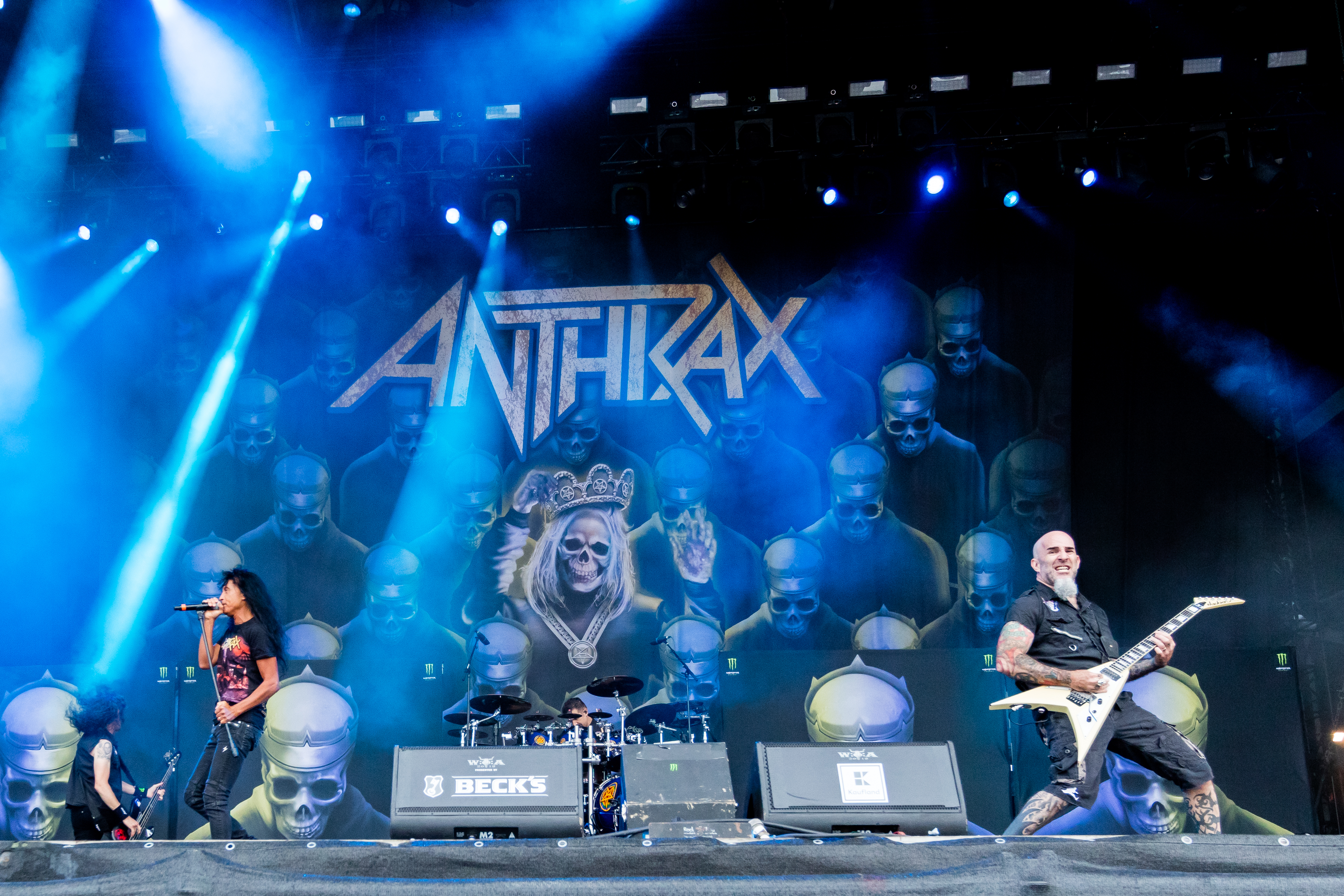
Anthrax (American band) — Rare Footage & Clips
In the dimly lit clubs of New York City's Lower East Side, a sonic revolution was brewing in the early 1980s. Amidst the city's vibrant punk and hardcore scenes, a group of young musicians would soon give birth to one of the most influential heavy metal bands of all time: Anthrax.
Formed in 1981 by rhythm guitarist Scott Ian and bassist Dan Lilker, Anthrax was part of a thriving thrash metal scene that would eventually come to define the genre. Alongside Metallica, Megadeth, and Slayer, they formed the "Big Four" – a moniker that signified their status as leaders in the movement. With their aggressive sound, technical proficiency, and unapologetic attitude, Anthrax was poised to shake the foundations of heavy metal.
One of the most significant aspects of Anthrax's early career was their East Coast roots. As one of the first thrash metal bands from outside California, they helped pave the way for a new wave of metal bands emerging from the East Coast. Alongside Overkill and Nuclear Assault, Anthrax played a crucial role in shaping the sound and style of thrash metal.
The band's debut album, Fistful of Metal (1984), marked a pivotal moment in their career. Released with singer Neil Turbin at the helm, the album showcased Anthrax's unique blend of speed, aggression, and technicality. However, it was not until Joey Belladonna replaced Turbin later that year that the band began to find its true identity.
Belladonna's arrival marked a turning point for Anthrax, as his distinctive vocals and songwriting style helped shape the band's sound. With Ian and drummer Charlie Benante (who joined in 1983) forming the core of the band, Anthrax was finally beginning to gel. The lineup would continue to evolve over the years, but these three musicians remained constant – a testament to their chemistry and dedication.
Benante, in particular, played a crucial role in shaping Anthrax's sound. As one of the most respected drummers in metal, his technical proficiency and innovative approach helped push the band's music forward. His collaboration with Ian on albums such as Among the Living (1987) and State of Euphoria (1988) showcased their ability to craft complex, intricate songs that still retained a raw, aggressive edge.
Anthrax's influence on metal cannot be overstated. With their blend of technicality, aggression, and humor, they helped pave the way for future generations of metal bands. Their music has inspired countless musicians, from Metallica's James Hetfield to Lamb of God's Randy Blythe. Even today, Anthrax remains a vital force in the metal scene – a testament to their enduring legacy.
One clip from the DeepCutsArchive captures the essence of Anthrax's live performances: a 1987 show at the legendary CBGB club in New York City (clip #342). In this footage, Belladonna's energetic stage presence and Ian's razor-sharp guitar work are on full display. The band tears through their setlist with precision and ferocity, leaving the audience breathless.
Anthrax's impact extends beyond their music as well. As one of the first metal bands to address social issues in their lyrics (such as "Indians" from 1987's Among the Living), they helped pave the way for future generations of metal musicians to tackle topics like politics, racism, and environmentalism.
In recent years, Anthrax has continued to tour and release new music. Their 2016 album, For All Kings, marked a return to form for the band – with Ian and Benante trading vocals on several tracks. The album's success was a testament to their enduring chemistry and commitment to their craft.
As we look back on Anthrax's storied career, it's clear that they have left an indelible mark on metal history. From their early days in New York City to their current status as metal legends, they have inspired countless musicians and fans around the world. Their music continues to thrive – a testament to their innovative spirit and unwavering dedication to their art.
In the words of Scott Ian himself, "We were just a bunch of kids from New York who loved playing heavy music... We didn't know we were making history." Yet, with Anthrax's influence still felt today, it's clear that they did indeed make history – one riff at a time.
Curated from public records and music databases.