Alberta Hunter — Rare Footage & Clips
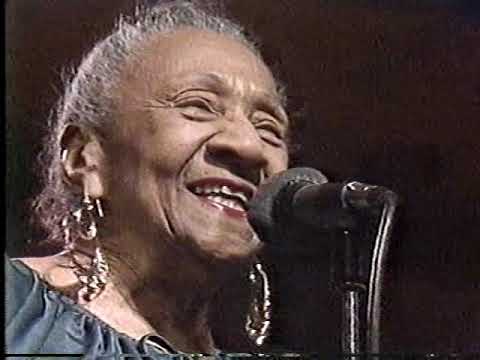
Alberta Hunter's storied career spans over four decades, leaving an indelible mark on the jazz and blues landscape. Born in 1895, Hunter began her singing career in the early 1920s, performing alongside some of the most influential figures of the time. Her remarkable journey took a temporary detour when she transitioned to working as a nurse for nearly two decades, only to return to music in 1977 with renewed vigor.
One of the earliest and most significant recordings in Hunter's extensive discography is her rendition of "Downhearted Blues," featured on the Complete Recorded Works in Chronological Order Volume 3 (1924-1927) album. This song, considered one of the first blues records ever made, showcases Hunter's emotive delivery and poignant storytelling ability. Her performance is a masterclass in conveying the emotional depth of the blues, making this clip an essential listen for anyone interested in understanding the genre's early development.
Hunter's music continued to evolve throughout her career, reflecting the changing musical landscape of each era. The 1961 album Chicago: The Living Legends captures her work alongside other notable artists of the time, highlighting the collaborative spirit that defined jazz and blues during its golden age. This collection serves as a testament to Hunter's ability to adapt and thrive in diverse musical settings.
The 1970s saw Hunter re-emerging on the music scene with renewed energy, releasing several albums that would cement her status as a living legend. Classic Alberta Hunter: The Thirties (1978) is a standout example of this resurgence, featuring a collection of songs from her earlier years. This album offers listeners an opportunity to experience Hunter's artistry during its most formative period, providing valuable context for understanding the development of her unique style.
Another significant release from this era is Remember My Name (Original Soundtrack Recording) (1978), which showcases Hunter's ability to interpret and reimagine classic songs in new contexts. This album's blend of jazz, blues, and musical theater elements highlights Hunter's versatility as a performer, making it an intriguing addition to her discography.
The 1980s saw Hunter continuing to push the boundaries of her artistry with albums such as Amtrak Blues (1980) and The Glory Of Alberta Hunter (1982). These releases demonstrate Hunter's capacity for innovation and experimentation, even in later stages of her career. Her willingness to explore new sounds and themes has contributed significantly to the richness and diversity of jazz and blues music.
Hunter's final studio album, Look For The Silver Lining (1983), serves as a poignant reminder of her enduring legacy. Recorded just a year before her passing, this collection showcases Hunter's continued artistry and emotional depth. This album is a must-listen for anyone seeking to understand the full scope of Hunter's contributions to jazz and blues.
The release of Young Alberta Hunter: The Twenties (1984) marked one of Hunter's final projects before her passing in 1984. This album offers listeners an opportunity to experience Hunter's early work, providing valuable context for understanding the development of her unique style. It also serves as a poignant reminder of Hunter's remarkable journey and her enduring impact on the music world.
Hunter's posthumous releases have continued to shed light on her remarkable career. The Legendary Alberta Hunter (The London Sessions) (1989), released nearly five years after her passing, features a collection of songs recorded in London during the 1970s and 1980s. This album offers listeners an opportunity to experience Hunter's work in new contexts, further underscoring her capacity for innovation and experimentation.
In addition to these releases, several posthumous compilations have been issued, including Complete Recorded Works in Chronological Order Volume 2 (1923-1924) and Complete Recorded Works in Chronological Order Volume 3 (1924-1927). These collections provide an exhaustive look at Hunter's early work, allowing listeners to appreciate the full scope of her contributions to jazz and blues.
Hunter's remarkable career serves as a testament to the enduring power of music. Her ability to adapt and thrive in diverse musical settings has left an indelible mark on the jazz and blues landscape. Through her performances, she conveyed the emotional depth of the blues, making her one of the most significant figures of the genre.
Curated from public records and music databases.