Alan Lomax — Rare Footage & Clips
In a cramped New York City apartment in 1939, Alan Lomax sat hunched over a phonograph, his fingers moving deftly as he transcribed the lyrics to "John Henry" from a worn acetate disc. The song's rhythmic pulse seemed to reverberate through the room, conjuring images of Appalachian coal miners and the mythic figure they revered. This was Lomax's domain: the intersection of music, history, and culture.
Born in 1915, Lomax was already immersed in the world of folk music as a child, accompanying his father, John Lomax, on collecting trips through the American South. Their partnership yielded some of the most significant field recordings of the early 20th century, including "The Ballad of Casey Jones" and "Frankie and Johnny." These songs not only captured the essence of African-American musical traditions but also helped to shape the country's cultural identity.
As Lomax matured as a collector and scholar, his scope expanded exponentially. He traversed the globe, documenting folk music in Italy, Spain, Ireland, and the Caribbean. His recordings from these regions – such as "Bantu Music From British East Africa" (1955) and "Folklore musicale italiano Vol. 1 - Registrazioni originali di Alan Lomax e Diego Carpitella" (1973) – not only enriched our understanding of international musical heritage but also introduced Western audiences to previously unknown traditions.
Lomax's work was more than mere documentation, however; it was a catalyst for social change. By highlighting the richness and diversity of folk music, he helped to fuel the American and British folk revivals of the 1940s and 1950s. His concerts and radio shows in both countries – including his influential "Folk Songs of America" series on BBC Radio – introduced new audiences to the power of traditional music.
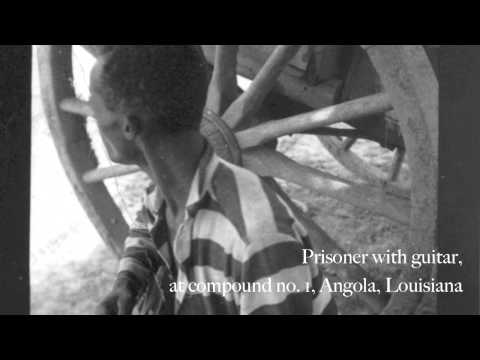
One clip from Lomax's archive, recorded in Mississippi in 1942, captures the haunting beauty of a blues singer named Bukka White. On this particular track, White's voice soars as he sings "Parchman Farm Blues," his words painting a vivid picture of life within the notorious prison's walls. This recording not only serves as a testament to Lomax's dedication to preserving African-American musical traditions but also underscores the significance of his work in shaping our understanding of American history.
Throughout his career, Lomax continued to push boundaries, embracing new technologies and collaborating with other artists to create innovative works. His "Caribbean Voyage: Brown Girl in the Ring" (1997) – a collection of calypso and folk songs from the Caribbean region – stands as a testament to his enduring passion for musical exploration.
As Lomax's own life drew to a close, he left behind an archive that would be remembered for generations to come. His legacy extends far beyond the confines of his own work, however; it is woven into the very fabric of American and international music history. The songs he recorded – and the stories they tell – continue to resonate with listeners today, serving as a reminder of the transformative power of folk music.
In the words of Lomax himself, "The song is not just a piece of music; it's a piece of life." This simple yet profound statement encapsulates the essence of his work: a commitment to preserving the musical heritage of diverse cultures and communities. As we delve into the world of Alan Lomax on DeepCutsArchive, we are reminded that the stories he collected – and the songs they inspired – continue to shape our understanding of ourselves and our place within the global cultural landscape.
As we navigate this archive, we find ourselves immersed in a rich tapestry of sound, one that reflects the breadth of Lomax's musical explorations. From the blues-infused "Cowboy Songs of the Old West" (1994) to the Italian folk traditions documented in "Folklore musicale italiano Vol. 2 - Registrazioni originali di Alan Lomax e Diego Carpitella" (1973), each recording serves as a testament to his dedication to preserving cultural heritage.
In the end, it is not the sheer volume of recordings that defines Lomax's legacy but rather their significance within the broader context of music history. His work continues to inspire new generations of musicians and scholars, serving as a reminder of the transformative power of folk music to shape our understanding of ourselves and our place within the world.
Curated from public records and music databases.