 4:31
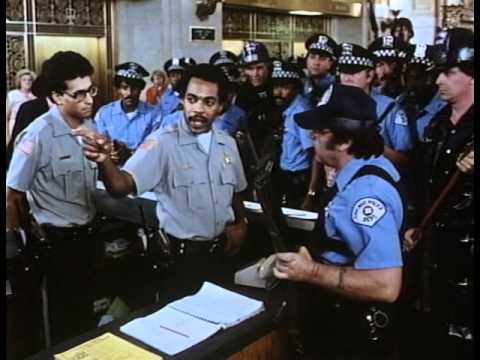
4:31The Blues Brothers Official Trailer #1 - Dan Aykroyd Movie (1980) HD
James Brown, Ray Charles, soo
1980sRare
Rare soul footage from the 1980s — interviews, studio sessions, and behind-the-scenes clips. Browse 31 clips below.
The 1980s were a transformative decade for soul music, marked by both evolution and fragmentation. As the genre continued to reflect African-American identity and culture, it began to incorporate new sounds and styles from around the world. The rise of MTV and home video technology allowed fans to experience their favorite artists in ways previously unimaginable – behind-the-scenes footage, tour documentaries, and making-of specials flooded the airwaves.
This fusion of traditional soul with modern production techniques created a rich and diverse musical landscape. Artists like Prince, who was already pushing the boundaries of R&B and rock, continued to innovate and experiment. His 1984 album "Purple Rain" is a prime example of this fusion, blending funk, rock, and pop elements with socially conscious lyrics.
However, not all soul music in the 1980s conformed to these new trends. Many artists remained true to their roots, incorporating gospel and jazz influences into their work. Artists like Al Green and Aretha Franklin continued to produce classic soul sounds that appealed to a dedicated fan base.
The decade also saw the rise of new sub-genres within soul music. For example, the emergence of hip-hop as a major force in popular music led to the development of rap-soul, with artists like Run-DMC incorporating soulful vocals into their lyrics. This blending of styles created a vibrant and dynamic musical scene.
The 1980s were also marked by increased globalisation, with international collaborations becoming more common. Artists from different genres and backgrounds began working together, resulting in innovative fusions that expanded the possibilities of soul music. For instance, the collaboration between soul legend Chaka Khan and producer Arif Mardin on her 1984 album "I Feel for You" resulted in a unique blend of funk, rock, and pop.
The rise of MTV and home video technology allowed fans to experience their favorite artists in new ways, with tour documentaries and making-of specials providing an intimate glimpse into the creative process. These behind-the-scenes glimpses humanised the artists, revealing their personalities and quirks beyond the confines of a studio recording.
Despite these advancements, the 1980s also saw the fragmentation of soul music's audience. As the decade progressed, various sub-genres emerged, catering to specific tastes and demographics. This splintering of the market made it increasingly difficult for artists to achieve mainstream success without conforming to commercial expectations.
The archive contains 14 clips that showcase the diversity and innovation of soul music in the 1980s. From classic performances by legendary artists like Aretha Franklin and Al Green, to experimental collaborations between artists from different genres, these clips offer a unique glimpse into the decade's musical landscape. They highlight the genre's ability to adapt and evolve while remaining true to its roots.
The clips also demonstrate how soul music continued to reflect African-American identity and culture throughout the 1980s. Artists used their platforms to address social issues like racism, inequality, and personal struggle. Their music served as a powerful tool for self-expression and community building.
As we delve into these archives, we can see that the 1980s were a pivotal moment in soul music's history. The decade saw both innovation and fragmentation, with artists pushing boundaries while also catering to commercial expectations. This tension between creative expression and market forces continues to shape the genre today.
Curated from public records and music databases.
The 1980s brought MTV, the synthesiser revolution, and the globalisation of pop music. Michael Jackson, Prince, Madonna, U2, and Run-DMC dominated the mainstream, while underground scenes — post-punk, hardcore, hip-hop, and indie — were building the foundation for the next decade. The explosion of home video meant more behind-the-scenes footage was captured than ever before. Tour documentaries, making-of specials, and backstage footage from the 80s reveal an industry in rapid transformation.
Soul music is a popular music genre that originated in African-American communities throughout the United States in the late 1950s and early 1960s. Catchy rhythms, stressed by handclaps and extemporaneous body movements, are an important hallmark of soul. Other characteristics are a call and response between the lead and backing vocalists, an especially tense vocal sound, and occasional improvisational additions, twirls, and auxiliary sounds. Soul music is known for reflecting African-American ...
All Soulfootage →4:31James Brown, Ray Charles, soo
 4:51
4:51James Brown
 2:16
2:16Rhythm section, Magic!, The Sound, Marvin Gaye, Marquee, The Band, Paul Cook, soo, Miles Davis, Talk Talk, Y&T
 4:49
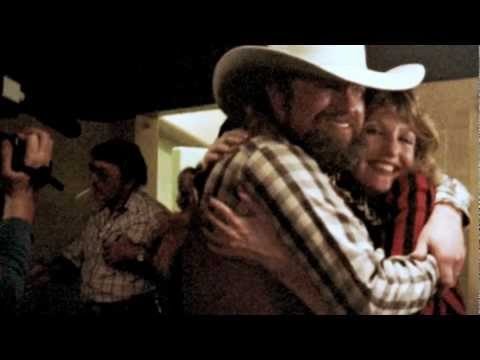
4:49J.O.E., James Brown, Dobie Gray, Charlie Daniels, NWA, R. Kelly, Ted Nugent, The Marshall Tucker Band, Delbert McClinton, Crystal Gayle, Kenny Rogers, Carl Perkins
 0:23
0:23James Brown, R.E.M., michael ack, NWA, Walk the Moon, Ween, Michael Jackson, Y&T
 5:43
5:43Aretha Franklin
 2:45
2:45Bob Marley, Aretha Franklin
![Thumbnail for Aretha Franklin- Interview on Merv Griffin Show- 1981 [Reelin' In The Years Archive] by Aretha Franklin, Cher](https://img.youtube.com/vi/pbF5CsU3dk0/hqdefault.jpg) 5:11
5:11Aretha Franklin, Cher
 3:06
3:06Linda Ronstadt, the ramo, Duran Duran, R.E.M., John Coltrane, Ray Charles, the ram, Ramones, Curtis Mayfield, The Band, Madonna, Tommy Stinson, VAST, The Doors, the ramones, P.O.D., The La's, Van Halen, Y&T, the ramone
 2:01
2:01R.E.M., Otis Redding
 0:47
0:47James Brown, michael ack, Prince, Michael Jackson
 18:18
18:18Marvin Gaye, R.E.M., The Rolling Stones, One OK Rock, Stew, The Band, The pink floyd, Joni Mitchell, Led Zeppelin, Pink Floyd, Rod Stewart, The Who, Carole King, John Lennon, Rolling Stones, Lee Pickens, Mae, Cher
 0:59
0:59Stevie Wonder
 3:17
3:17Rhythm section, James Brown, Beck, Depeche Mode, The Rolling Stones, Madonna, Tarja Turunen, Rolling Stones, Y&T, Jeff Beck
 9:01
9:01Stevie Wonder, Minnie Riperton, Michael Jackson, Chaka Khan
 4:22
4:22Linda Ronstadt, the ramo, John Coltrane, Ray Charles, the ram, Ramones, Madonna, The Doors, the ramones, Van Halen, Y&T, the ramone
 4:27
4:27James Brown
James Brown
Marvin Gaye
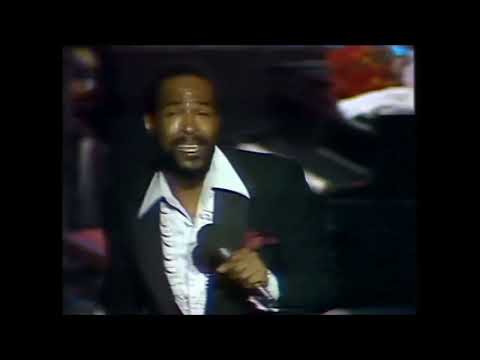
Marvin Gaye
Marvin Gaye
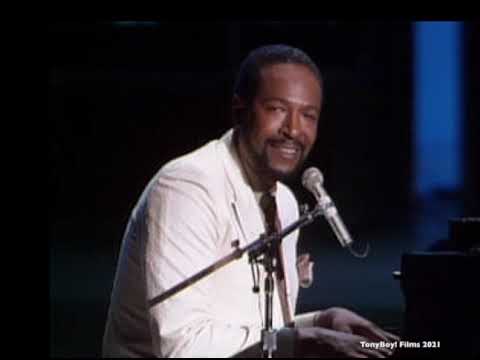
Marvin Gaye
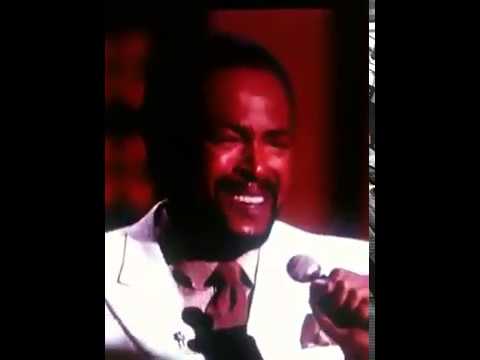
Marvin Gaye
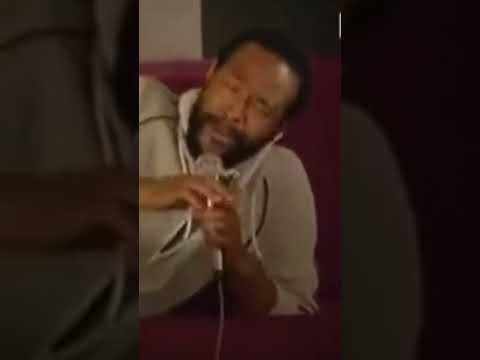
Marvin Gaye
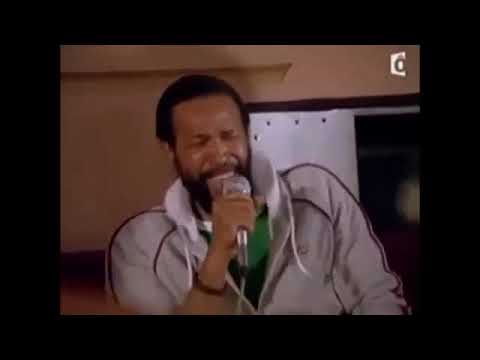
Marvin Gaye
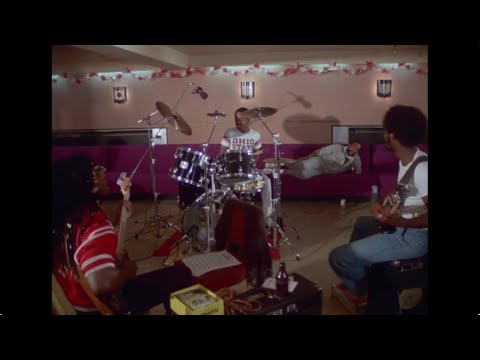
Marvin Gaye
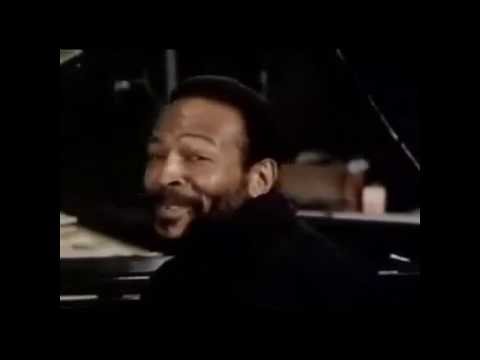
Marvin Gaye
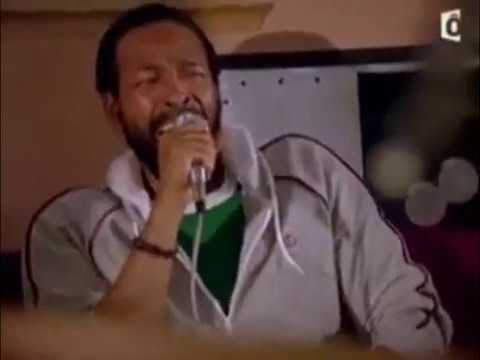
Marvin Gaye
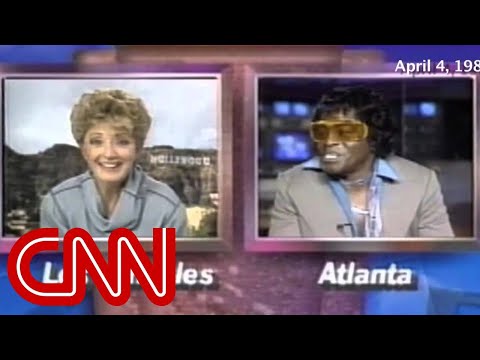
James Brown
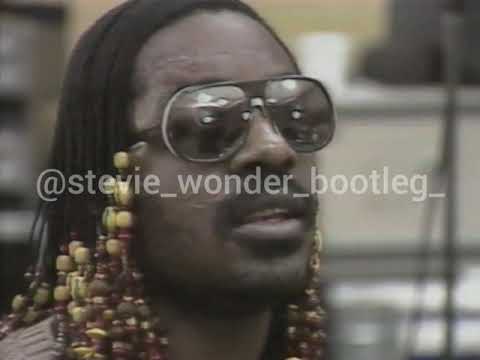
Stevie Wonder
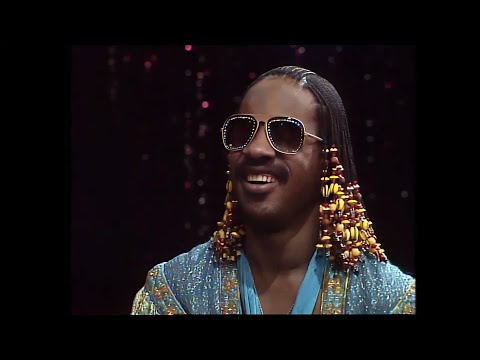
Stevie Wonder