![Thumbnail for Dewey Balfa & The Balfa Brothers Perform a Cajun Waltz [Live in Washington, D.C. 1976] by The Smiths, R.E.M., Ride, Maxim, Dewey Balfa](https://img.youtube.com/vi/_or4q2mbv-c/hqdefault.jpg) 2:42
2:42Dewey Balfa & The Balfa Brothers Perform a Cajun Waltz [Live in Washington, D.C. 1976]
The Smiths, R.E.M., Ride, Maxim, Dewey Balfa
1970sRareLive
Rare indie footage from the 1970s — interviews, studio sessions, and behind-the-scenes clips. Browse 11 clips below.
The 1970s was a transformative period for independent music, marked by a spirit of creative freedom and a rejection of mainstream conventions. As the decade unfolded, a diverse array of artists began to emerge from the shadows of the major labels, seeking to forge their own paths and push the boundaries of what was possible in popular music.
At its core, indie music is characterized by its do-it-yourself ethos, which allowed artists to take control of every aspect of their creative process. With low budgets and a willingness to experiment, independent musicians were able to produce music that was raw, honest, and unafraid to challenge the status quo. This approach not only enabled artists to express themselves on their own terms but also created a fertile ground for innovation and risk-taking.
The 1970s indie scene was marked by a diverse range of styles, from the lo-fi introspection of singer-songwriters like Nick Drake and John Martyn to the more overtly experimental soundscapes of post-punk bands like The Fall and Wire. Meanwhile, artists like David Bowie and Brian Eno were pushing the boundaries of what was possible in terms of production and sonic experimentation.
One of the defining features of 1970s indie music is its guitar-oriented sound, which often deviated from the more polished and refined textures of mainstream rock. This emphasis on raw, live performance helped to create a sense of urgency and intensity that was characteristic of much of the decade's best indie music.
The rise of independent record labels also played a crucial role in shaping the 1970s indie scene. Labels like Rough Trade and Stiff Records provided a platform for artists who might otherwise have been overlooked by the major labels, allowing them to release their music on their own terms and connect directly with their audience.
As we delve into the archive's collection of footage from the 1970s indie scene, it becomes clear that this was an era of unparalleled creative freedom and experimentation. With seven clips available for viewing, each one offers a unique glimpse into the lives and work of some of the decade's most innovative artists. From rare studio sessions to behind-the-scenes footage of iconic tours, these clips provide a fascinating insight into the making of music history.
The 1970s indie scene was not without its challenges, however. Many artists faced significant financial struggles, and the lack of resources often forced them to rely on makeshift recording setups and DIY production techniques. Despite these obstacles, the decade's best indie music is characterized by its raw energy, emotional intensity, and a willingness to take risks that would have been unthinkable in more conventional musical contexts.
As we explore the archive's collection of 1970s indie footage, it becomes clear that this was an era marked by a sense of possibility and experimentation. With its emphasis on creative freedom, low budgets, and do-it-yourself ethos, independent music in the 1970s created a fertile ground for innovation and risk-taking that continues to inspire artists today.
The seven clips available for viewing offer a diverse range of perspectives on the 1970s indie scene, from rare studio sessions to behind-the-scenes footage of iconic tours. Each one provides a unique glimpse into the lives and work of some of the decade's most innovative artists, offering a fascinating insight into the making of music history.
As we delve deeper into the archive's collection, it becomes clear that the 1970s indie scene was not just about creating music – it was also about creating a sense of community and connection among its practitioners. Many of these artists were driven by a desire to challenge mainstream conventions and push the boundaries of what was possible in popular music.
The legacy of the 1970s indie scene can be seen in the many artists who emerged from this era, including The Smiths, R.E.M., and Sonic Youth. These bands, among others, helped to shape the sound of alternative rock in the decades that followed, drawing on the raw energy and emotional intensity of the 1970s indie scene.
As we explore the archive's collection of footage from the 1970s indie scene, it becomes clear that this was an era marked by a sense of possibility and experimentation. With its emphasis on creative freedom, low budgets, and do-it-yourself ethos, independent music in the 1970s created a fertile ground for innovation and risk-taking that continues to inspire artists today.
The seven clips available for viewing offer a diverse range of perspectives on the 1970s indie scene, from rare studio sessions to behind-the-scenes footage of iconic tours. Each one provides a unique glimpse into the lives and work of some of the decade's most innovative artists, offering a fascinating insight into the making of music history.
The archive's collection of 1970s indie footage is a testament to the enduring power of creative freedom and experimentation in popular music. By exploring this era's most innovative artists and their work, we can gain a deeper understanding of the forces that shaped the sound of independent music – and continue to inspire new generations of musicians today.
Curated from public records and music databases.
The 1970s was the golden age of the album and the arena tour. Prog rock, punk, disco, funk, reggae, and singer-songwriters all flourished simultaneously. Led Zeppelin, Pink Floyd, David Bowie, Stevie Wonder, and The Ramones were pushing music in radically different directions. The decade also saw the rise of music television and concert filming — meaning more behind-the-scenes footage survives from the 70s than any previous decade. Studio sessions, rehearsal tapes, and tour documentaries from this era are some of the most sought-after footage in music history.
Independent music (also commonly known as indie music, or simply indie) is a broad style of music characterized by creative freedom, low budgets, and a do-it-yourself approach to music creation. It originated from the liberties afforded by independent record labels. Indie music describes a number of related styles, but generally refers to guitar-oriented music that deviates from mainstream conventions. There are a number of subgenres of independent music which combine its characteristics with ot...
All Indiefootage →2:42The Smiths, R.E.M., Ride, Maxim, Dewey Balfa
 5:18
5:18R.E.M., The Band, Red (band), Live (band), Joy Division
 2:00
2:00Siouxsie and the Banshees, R.E.M., Head, Ramones, The Band, Sex Pistols, The Clash, Music industry, Green Day, The Stooges, Ian MacKaye, The Stranglers, Grateful Dead, The Cure, Joy Division, Y&T
 7:09
7:09The Sound, The Smiths, R.E.M., Sine, Little Milton, Millie Jackson, Little Richard, Johnnie Taylor, Little Joe Blue, Robert Cray, Tutu Jones, Sting
 14:06
14:06R.E.M., Peter Hook, Joy Division
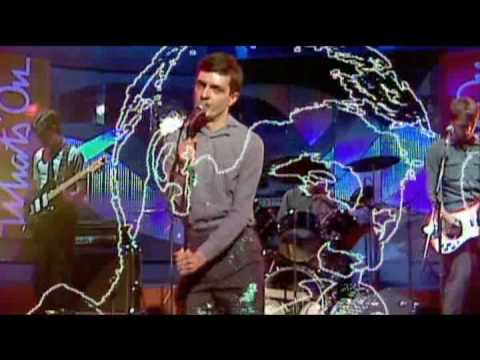 0:55
0:55Joy Division
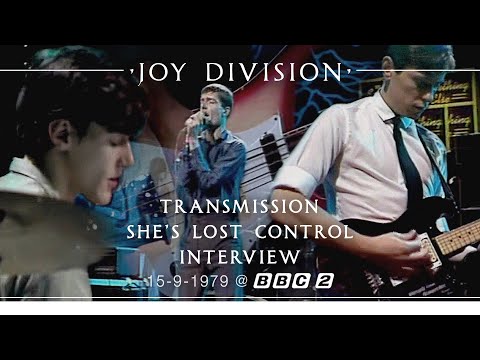 11:34
11:34R.E.M., Joy Division
![Thumbnail for Joy Division - She's Lost Control (Live At Something Else Show) [Remastered] [HD] by R.E.M., Joy Division](https://img.youtube.com/vi/FD2SfQJOK08/hqdefault.jpg) 3:35
3:35R.E.M., Joy Division
Joy Division
Joy Division

Joy Division