 1:57
1:57Jimmy Ellis vs Earnie Shavers 18.6.1973
J.O.E., R.E.M., Head, NWA, Ween, VAST, ENTRE, Cher
1970sRare
Rare hip-hop footage from the 1970s — interviews, studio sessions, and behind-the-scenes clips. Browse 18 clips below.
The 1970s Hip-Hop page is a treasure trove of rare footage that takes us back to the birthplace of this iconic genre. As we delve into the archive, it's clear that hip-hop was more than just a musical style in its early days – it was a cultural movement that emerged from the vibrant streets of New York City.
The 1970s was a decade marked by creative explosion and experimentation across various genres. Prog rock, punk, disco, funk, reggae, and singer-songwriters all vied for attention, pushing the boundaries of what music could be. Led Zeppelin's powerful riffs, Pink Floyd's psychedelic explorations, David Bowie's androgynous reinventions, Stevie Wonder's soulful melodies, and The Ramones)' high-energy punk anthems – each artist was a trailblazer in their own right.
However, amidst this musical diversity, hip-hop stood out as a unique fusion of African-American and Caribbean influences. Born from block parties in ethnic minority neighborhoods, particularly the Bronx, hip-hop was an expression of community and resistance. It borrowed from its social environment, incorporating elements like DJing, turntablism, scratching, beatboxing, and instrumental tracks to create something entirely new.
The musical style's defining characteristic – rapping – was initially met with skepticism by mainstream audiences. But as the genre evolved, it became clear that hip-hop was not just a passing fad but a powerful commentary on the social environment that gave birth to it. Artists like DJ Kool Herc and Grandmaster Flash began experimenting with turntables, extending breaks and creating new rhythms. These innovations laid the groundwork for what would become known as hip-hop.
The 1970s also saw the rise of music television and concert filming, which has left behind a rich legacy of footage from this era. Studio sessions, rehearsal tapes, and tour documentaries are some of the most sought-after materials in music history. The archive's three clips on hip-hop in the 1970s offer a glimpse into this pivotal moment.
One clip showcases DJ Kool Herc at work, demonstrating his innovative turntable techniques that would later influence generations of DJs. Another features Grandmaster Flash and the Furious Five performing their classic hit "The Message," which addressed social issues like poverty, crime, and police brutality in stark, unflinching terms. The third clip captures a block party scene from the Bronx, with DJs spinning tracks and MCs trading rhymes amidst a sea of dancing crowds.
These fragments of footage offer more than just a nostalgic glimpse into hip-hop's early days – they provide a window into the cultural context that gave birth to this genre. We see the energy, creativity, and community spirit that defined hip-hop in its formative years. The archive's 1970s Hip-Hop page is an essential resource for anyone seeking to understand the roots of this global phenomenon.
As we explore these rare clips, it becomes clear that hip-hop was never just a musical style but a reflection of the social and cultural landscape of New York City in the 1970s. The genre's early pioneers drew upon their experiences as African-American and Caribbean immigrants, using music to comment on issues like racism, poverty, and police brutality.
The archive's collection serves as a testament to the power of hip-hop as a cultural force. It reminds us that this genre was never just about beats or rhymes but about community, identity, and resistance. As we delve deeper into these rare clips, we gain a deeper appreciation for the rich history and cultural significance of hip-hop in its early days.
The 1970s Hip-Hop page is more than just a nostalgic trip – it's an opportunity to engage with the raw energy, creativity, and social commentary that defined this pivotal moment in music history.
Curated from public records and music databases.
The 1970s was the golden age of the album and the arena tour. Prog rock, punk, disco, funk, reggae, and singer-songwriters all flourished simultaneously. Led Zeppelin, Pink Floyd, David Bowie, Stevie Wonder, and The Ramones were pushing music in radically different directions. The decade also saw the rise of music television and concert filming — meaning more behind-the-scenes footage survives from the 70s than any previous decade. Studio sessions, rehearsal tapes, and tour documentaries from this era are some of the most sought-after footage in music history.
Hip-hop (also known as rap music or simply rap) is a genre of popular music that emerged in the early 1970s alongside an associated subculture in the African-American and Caribbean immigrants communities of New York City. The musical style is characterized by the synthesis of a wide range of techniques, but rapping is frequent enough that it has become a defining characteristic. Other key markers of the genre are the disc jockey (DJ), turntablism, scratching, beatboxing, and instrumental tracks....
All Hip-Hopfootage →1:57J.O.E., R.E.M., Head, NWA, Ween, VAST, ENTRE, Cher
 2:49
2:49NWA, weller
 1:16
1:16R.E.M., L.A.B., Queen, NWA, Prince, NME
 5:13
5:13T.O.K., NWA, Prince, Ride, Sting
 4:14
4:14Hank Williams, L.A.B., Faron Young, NWA, Ernest Tubb, Bobby Bare, Jack Clement, Hank Williams Jr., Kenny Rogers, Sting
 3:29
3:29The Sound, R.E.M., Head, NWA, Sam Cooke, Jimmy James, ENTRE, The Who, Songwriter, Y&T
 10:59
10:59NWA, Conway Twitty, Loretta Lynn, George Jones
 1:50:50
The Sound, R.E.M., Queen, NWA, Y&T
 5:14
5:14The Rolling Stones, Dave Grohl, NWA, Mani, Ed Sheeran, Rolling Stones
 1:54
1:54duke ellington s, R.E.M., Sine, The Band, NWA, Duke Ellington, duke ellington re
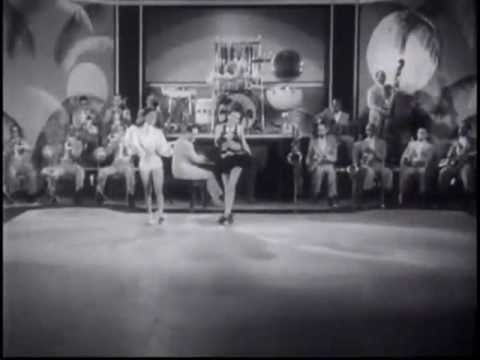 8:59
8:59duke ellington s, R.E.M., Sine, The Band, NWA, Duke Ellington, duke ellington re
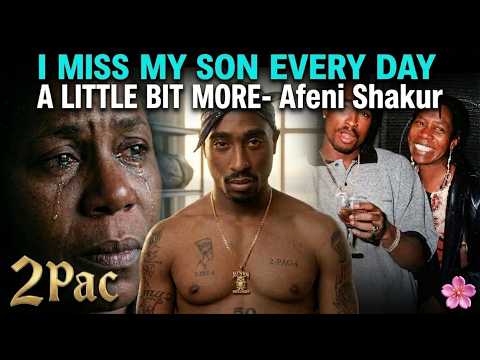 13:25
13:25Tupac, Mother Mother, R.E.M., Tupac Shakur, soo
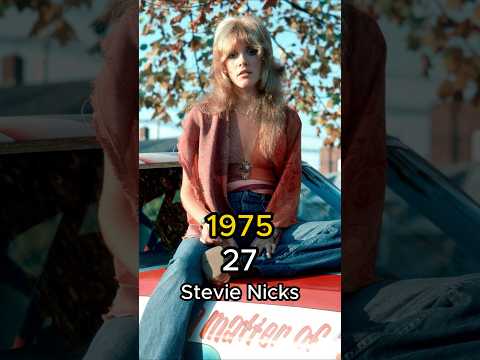 0:20
0:20Stevie Nicks, Queen, NWA, John McVie, Fleetwood Mac, Christine McVie, Mick Fleetwood, Lindsey Buckingham, Ride, Y&T
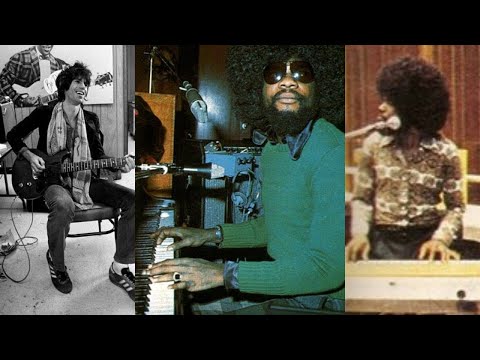 14:22
14:22Keith Richards, NWA, Charlie Watts, Mick Taylor, Mick Jagger, Dalla
 2:42
2:42NWA, Isaac Hayes, Y&T
 6:34
6:34R.E.M., NWA
 9:14
9:14NWA
 4:24
4:24The Rolling Stones, NWA, Red Hot Chili Peppers, Rolling Stones