About This Footage
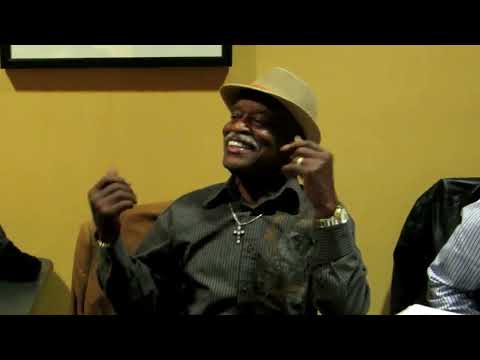
The faded grandeur of a bygone era is on full display in this 19:55 interview clip from 2018, where Bobby Hendricks, one-time singer with the legendary Drifters, sits down with Vinyl City Broadcasting at the Cerritos Center for the Performing Arts in California. What makes this footage notable is not just the opportunity to hear Hendricks' voice again, but also the chance to glimpse the man behind the music.
At the time of filming, Hendricks was 80 years old and still going strong, having spent decades performing with some of the most iconic acts of the R&B era. The Drifters, formed in 1953, had already begun their ascent to fame by the late 1950s, with hits like "There Goes My Baby" and "This Magic Moment". Hendricks' own chart-topping days were limited, but his contributions to the group's sound are undeniable. This interview offers a rare glimpse into the life of a man who spent most of his career in the shadows of more famous names.
The setting is equally significant, taking place at the Cerritos Center for the Performing Arts in California. This venue has hosted its fair share of legendary acts over the years, but Hendricks' presence here adds a personal touch to the proceedings. As he sits down with Vinyl City Broadcasting, it's clear that this is an opportunity for him to reflect on his life and career, rather than simply promote new material.
One of the most striking aspects of this interview is the way Hendricks speaks about his time with the Drifters. He reminisces fondly about the group's early days, recalling the camaraderie and creative freedom they enjoyed during that period. His words paint a picture of a tight-knit community, where music was the driving force behind everything they did. It's a testament to the enduring power of their sound, which continues to captivate audiences to this day.
As Hendricks shares stories about his time with the Drifters, it becomes clear that this is more than just an interview – it's a chance for him to set the record straight and give credit where credit is due. He speaks candidly about the group's internal dynamics, revealing the tensions and power struggles that often plagued their relationships. It's a refreshingly honest account from someone who was there, and it adds depth to our understanding of this pivotal moment in music history.
Watching this clip, one can't help but feel a sense of nostalgia wash over them. The world has changed so much since Hendricks' heyday, and yet the passion and dedication he shows for his craft remain timeless. As we listen to him speak about his experiences, it's impossible not to be moved by the sheer force of his personality.
The significance of this footage extends beyond its historical value, too. It serves as a reminder that even in an era dominated by digital music and streaming platforms, there is still beauty to be found in the stories of those who came before us. Hendricks' interview is a testament to the power of oral history, where the voices and experiences of our musical forebears can continue to inspire and educate new generations.
As the camera fades to black, one final image lingers – that of Bobby Hendricks, his eyes twinkling with memories of a lifetime spent in music. It's a poignant moment, one that stays with you long after the clip has ended.
Curated from public records and music databases.