About This Footage
In 1972, the counterculture was still reeling from the Summer of Love, and the anti-war movement was in full swing. Amidst this backdrop of social upheaval, a peculiar figure emerged: Tommy Chong, half of the infamous comedy duo Cheech & Chong. At the time, their brand of stoner humor was pushing boundaries, challenging the status quo, and making waves in the burgeoning cannabis culture.
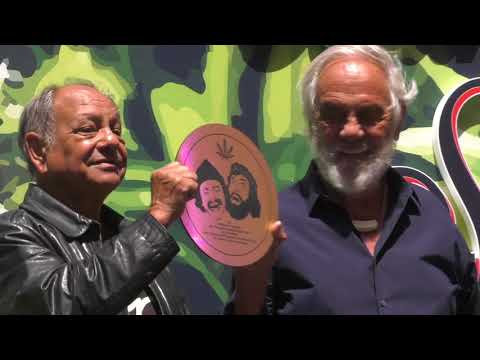
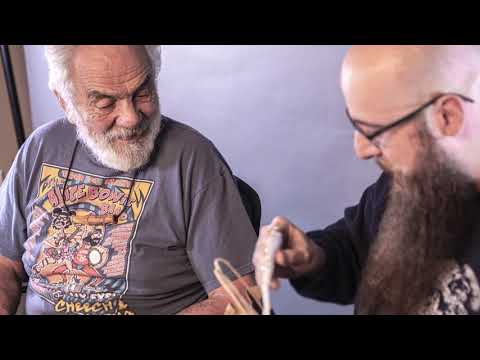
This footage, shot in 1972, is a rare gem that captures Tommy Chong's signature charm as he signs a copy of "Big Bambu", Cheech & Chong's debut album. The clip is brief, lasting just 28 seconds, but its significance lies not only in the artist's presence but also in the context it provides for an era marked by rebellion and nonconformity.
In 1972, cannabis was still a taboo subject, and advocating for its use was considered radical. Tommy Chong, however, was unapologetic about his love for the plant, using his platform to promote its benefits and normalize its use. This clip is a testament to his unwavering commitment to the cause, as he signs an oversized rolling paper with the album's title emblazoned on it.
What makes this footage truly remarkable is its rarity. In an era before social media, such candid moments of celebrity interaction were few and far between. The fact that we have this clip today is a testament to the power of documentation and preservation. For fans of Cheech & Chong, this brief moment will be a treasure trove of nostalgia, offering a glimpse into the duo's early days and their impact on popular culture.
Watching this footage, one can't help but feel a sense of connection to the era it represents. The relaxed atmosphere, the oversized rolling paper, and Tommy Chong's signature grin all transport us back to a time when cannabis was still a fringe topic and comedy was becoming a powerful tool for social commentary. As we fast-forward through the decades, this clip serves as a poignant reminder of the enduring power of counterculture and the importance of preserving its history.
The artist himself is a fascinating figure, embodying the spirit of rebellion that defined the 1960s and '70s. Tommy Chong's legacy extends far beyond his comedy partnership with Cheech Marin; he has become an icon for cannabis enthusiasts worldwide, using his platform to advocate for legalization and social justice. In this clip, we see a glimmer of that iconoclastic spirit, as he signs the album with a flourish, cementing his place in the annals of counterculture history.
For those who may not be familiar with Cheech & Chong's work, this footage will provide an introduction to their unique brand of humor and their significance within the cannabis culture. For fans, it will be a cherished memento, offering a glimpse into the duo's early days and their enduring impact on popular culture. As we watch Tommy Chong sign that oversized rolling paper, we are reminded of the power of comedy to challenge social norms and push boundaries – a legacy that continues to inspire new generations of artists and activists alike.
Curated from public records and music databases.
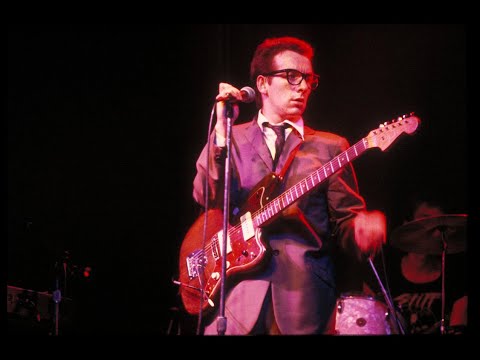
![Thumbnail for Elvis Costello • Lip Service • 1977 [Reelin' In The Years Archive] by Elvis Costello](https://img.youtube.com/vi/f3wwWhRpNjk/hqdefault.jpg)