0 views
Share this clip
Know someone who'd love this clip?
Share it with friends and fellow fans.
Share this clip
Know someone who'd love this clip?
Share it with friends and fellow fans.
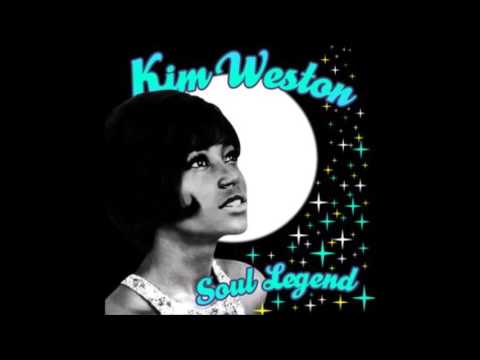
Kim Weston left Motown in 1967 at the absolute peak of her career. She had hits on the charts. She had proven commercial viability. She had established herself as one of Motown's successful female solo artists. And she walked away—not because she failed, not because Berry Gordy fired her, but because she chose to leave when most artists would have stayed and fought for more. The reason why tells you everything about what it meant to be a woman at Motown when your husband worked there too and Berry Gordy controlled both your careers. For viewers who remember Kim Weston's voice on songs like "Take Me in Your Arms (Rock Me a Little While)" from 1965 and wondered why someone would leave Motown at their peak, this video explores the impossible position Berry Gordy created when Kim married William "Mickey" Stevenson in 1964. Mickey was one of Motown's most important executives—the A&R director who managed artist development, decided which songs went to which artists, and shaped Motown's sound from behind the scenes. When Mickey married Kim, Berry started watching both of them more carefully because Berry didn't like divided loyalties. This video investigates how Kim noticed changes after the marriage—weaker song selections, less enthusiastic promotional support, Berry's shifted attitude toward her. We examine how every success Kim achieved came with whispers that Mickey had given her preferential treatment, how every setback was blamed on Mickey protecting her, and how the marriage made Kim's individual contributions invisible. We explore the breaking point in 1967 when Mickey asked Berry for better resources for Kim and Berry saw this as a Motown executive putting personal interests ahead of company interests. We examine how Berry marginalized both of them, how Mickey resigned in 1967 after being one of Berry's most trusted executives, and how Kim left immediately after understanding that staying at Motown after Mickey's resignation would mean constant punishment. We explore the brutal financial reality of leaving Motown's machine, how nothing they did after Motown matched what they'd achieved there, and how Kim became a nostalgia act while Berry's Motown continued thriving. Kim Weston is seventy-eight years old now, still married to Mickey Stevenson after sixty years. This video honors their choice to prioritize marriage over Berry's system and examines the contrast with Diana Ross, who never had to choose between Berry and her career because Diana's relationship with Berry was the thing that advanced her career. Kim and Mickey lost Motown but kept each other—in Berry's world that looks like failure, but in human terms it might be victory. Keywords: Kim Weston, Mickey Stevenson, Motown Records, Berry Gordy, Take Me in Your Arms, 1967, A&R director, marriage, Motown departure, Diana Ross, artist development, left at peak, Motown executives, music industry, 1960s music, soul music, R&B history, Motown women, music documentary, career sacrifice, Black music history AI DISCLAIMER: This video uses AI-generated voice synthesis and AI-created images to present the documented story of Kim Weston and Mickey Stevenson's departure from Motown in 1967. All core historical facts are documented: Kim Weston had hits at Motown including "Take Me in Your Arms (Rock Me a Little While)" which charted in 1965, Kim married William "Mickey" Stevenson in 1964, Mickey Stevenson was Motown's A&R director and a crucial executive from Motown's early years, both Kim and Mickey left Motown in 1967, and their marriage has lasted over sixty years. The discussion of Berry Gordy's attitude toward employee marriages and the specific dynamics that led to Kim and Mickey's departure represents informed interpretation of documented patterns in how Motown managed artist relationships and employee dynamics, based on music industry histories and statements from various Motown artists and executives about working conditions during this period. The analysis of how Kim's career was managed differently after her marriage to Mickey is based on observable patterns in her chart performance and promotional support before and after 1964. Mickey Stevenson's contributions to Motown's sound and his role in artist development are well-documented in music histories. Kim Weston's post-Motown career trajectory and her continued marriage to Mickey are documented facts. The comparison with Diana Ross's relationship with Berry Gordy is based on documented facts about their personal and professional relationship. Our goal is to examine honestly how Motown's system created impossible choices for talented artists when personal relationships conflicted with Berry Gordy's control.
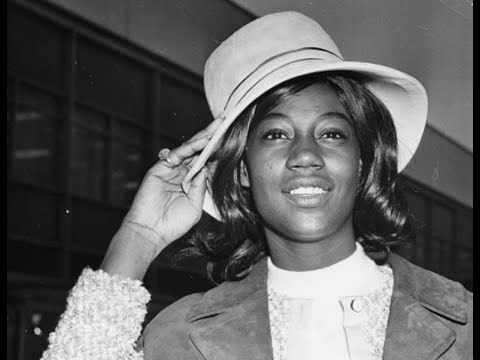
Kim Weston is an American soul singer and Motown alumna. In the 1960s, she scored hits with the songs "Love Me All the Way" and "Take Me in Your Arms ", and with her duet with Marvin Gaye, "It Takes Two".
More about Kim Weston→Added
 5:22
5:22 5:41
5:41Lonzo and Oscar
 4:37
4:37Lonzo and Oscar
 2:51
2:51Lonzo and Oscar
 2:28
2:28Kim Weston
 24:35
24:35Kim Weston
 3:01
3:01Kim Weston
 3:21
3:21Kim Weston