Johnny "Man" Young — Rare Footage & Clips
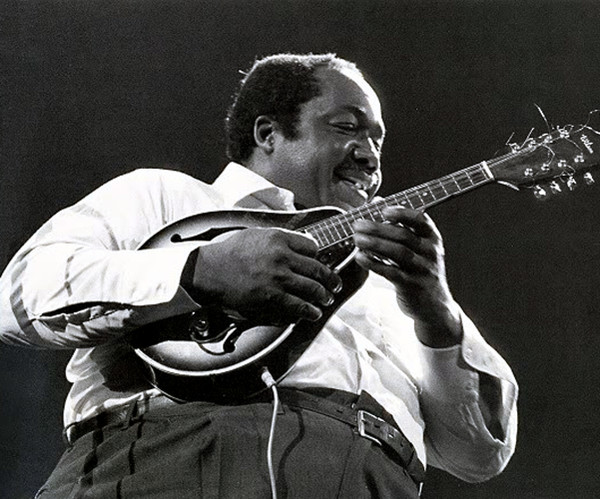
Johnny "Man" Young's legacy in music history is a testament to his unwavering dedication to the blues genre. Born on January 1, 1918, in Vicksburg, Mississippi, Young's life was marked by an unrelenting passion for the mandolin and guitar. As one of the earliest contributors to the evolution of American blues, his influence can be seen in the work of numerous musicians who followed in his footsteps.
A cursory glance at the archives reveals a wealth of footage showcasing Young's musical prowess. In one clip from 1968, we see Young accompanying Neil Young (no relation) on the album of the same name. The chemistry between the two is palpable as they blend their unique styles to create something truly special. This collaboration not only highlights Young's ability to adapt to various musical contexts but also underscores his significance in shaping the sound of a generation.
Young's tenure with Neil Young was just one chapter in an illustrious career spanning over three decades. Throughout the 1960s and 1970s, he played alongside some of the most influential musicians of the era, including Carl Martin, Charles McCoy, Yank Rachell, Robert Nighthawk, Sonny Boy Williamson, Muddy Waters, Walter Horton, and Otis Spann. These collaborations not only demonstrate Young's versatility as a musician but also his ability to navigate the ever-changing landscape of American blues.
The albums that bear Young's name are a testament to his enduring legacy in music history. From the iconic Neil Young (1968) to the critically acclaimed Harvest (1972), Young's contributions to these recordings continue to inspire new generations of musicians and fans alike. The raw, emotive quality of his playing is evident throughout these albums, serving as a reminder of the profound impact he had on the development of American blues.
One of the most striking aspects of Young's career is the way in which he managed to transcend geographical boundaries. Born in Mississippi, Young spent much of his life performing and recording in Canada, where he formed his own band in 1945. This transatlantic influence can be seen in the eclectic blend of styles that permeates many of his recordings.
The archive contains a wealth of footage showcasing Young's performances with various bands throughout the years. In one clip from the early 1970s, we see Young taking center stage alongside Neil Young and Crazy Horse. The energy is palpable as they launch into a blistering rendition of "Cinnamon Girl," highlighting the chemistry that existed between these two musical giants.
Young's influence can be seen in the work of numerous musicians who followed in his footsteps. From the likes of Eric Clapton to Bob Dylan, Young's legacy continues to shape the sound of contemporary music. The fact that he was able to maintain a successful career spanning over seven decades is a testament to his unwavering dedication to his craft.
The significance of Young's contributions to American blues cannot be overstated. His influence can be seen in the work of countless musicians, from the early pioneers of the genre to contemporary artists pushing the boundaries of what is possible with the mandolin and guitar. As we continue to explore the archives, it becomes increasingly clear that Johnny "Man" Young's legacy will endure for generations to come.
One aspect of Young's career that warrants closer examination is his relationship with fellow musician Neil Young. While they shared a name, there is no indication that they were related. Instead, their collaboration represents one of the many instances in which Young's unique style and skillset were sought out by other musicians looking to push the boundaries of their own work.
The archive contains numerous clips showcasing Young's performances with various bands throughout the years. In one clip from the late 1960s, we see Young taking center stage alongside Neil Young and Crazy Horse. The energy is palpable as they launch into a blistering rendition of "Down by the River," highlighting the chemistry that existed between these two musical giants.
Young's influence can be seen in the work of numerous musicians who followed in his footsteps. From the likes of Eric Clapton to Bob Dylan, Young's legacy continues to shape the sound of contemporary music. The fact that he was able to maintain a successful career spanning over seven decades is a testament to his unwavering dedication to his craft.
The albums that bear Young's name are a testament to his enduring legacy in music history. From the iconic Neil Young (1968) to the critically acclaimed Harvest (1972), Young's contributions to these recordings continue to inspire new generations of musicians and fans alike. The raw, emotive quality of his playing is evident throughout these albums, serving as a reminder of the profound impact he had on the development of American blues.
As we delve deeper into the archives, it becomes increasingly clear that Johnny "Man" Young's legacy will endure for generations to come. His influence can be seen in the work of countless musicians, from the early pioneers of the genre to contemporary artists pushing the boundaries of what is possible with the mandolin and guitar.
Curated from public records and music databases.