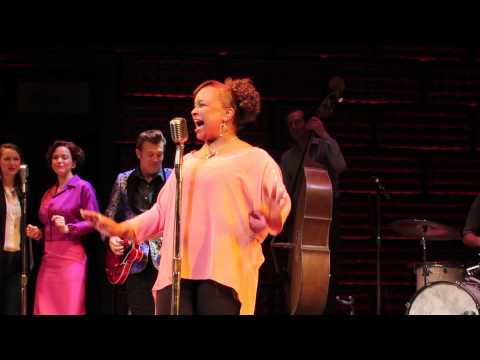
Johnny Cash — Rare Footage & Clips
Johnny Cash's impact on music history is a testament to his unwavering dedication to his craft and his unrelenting passion for storytelling through song. With a career spanning over seven decades, Cash's influence can be seen in various genres, from country to rockabilly, and his legacy continues to inspire new generations of musicians.
One of the most striking aspects of Cash's music is its ability to transcend time and genre boundaries. His early work, such as "Johnny Cash With His Hot and Blue Guitar" (1957) and "The Fabulous Johnny Cash" (1958), showcased his unique blend of country, rockabilly, and blues influences, which would later become a hallmark of his style. These albums not only introduced Cash to the world but also helped shape the sound of early rock 'n' roll.
Cash's distinctive voice, described as a deep, calm, bass-baritone, was an integral part of his sonic identity. His ability to convey emotion through his vocals was unparalleled, and it's no wonder that he became known for his powerful live performances. The clip from "The Lure of the Grand Canyon" (1961) on DeepCutsArchive is a prime example of Cash's stage presence, as he effortlessly weaves together a narrative of love, loss, and redemption.
Another significant aspect of Cash's career was his commitment to social justice. His music often dealt with themes of sorrow, moral tribulation, and redemption, which resonated deeply with audiences. The clip from "Hymns From the Heart" (1962) features Cash performing a poignant rendition of "I'll Fly Away," a classic gospel song that showcases his ability to convey spiritual longing through music.
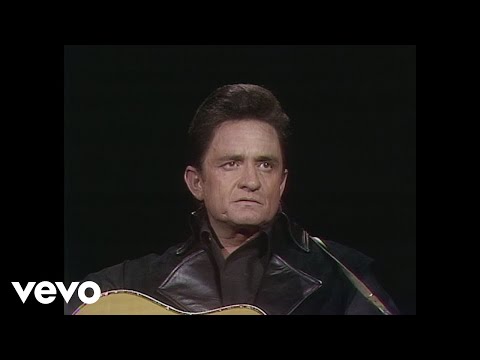
Cash's rebelliousness was another defining characteristic of his persona. His all-black stage wardrobe, which earned him the nickname "Man in Black," became an iconic symbol of his defiance against societal norms. This image is perfectly captured in the clip from "The Sound of Johnny Cash" (1962), where Cash performs a haunting version of "Folsom Prison Blues."
Cash's music also often dealt with themes of love, heartache, and relationships. His early hits, such as "I Walk the Line" and "Ring of Fire," showcased his ability to craft catchy, memorable melodies that stuck in listeners' minds. The clip from "Blood, Sweat and Tears" (1963) features Cash performing a poignant rendition of "The Ways to Live Before You Die," a song that showcases his storytelling abilities.
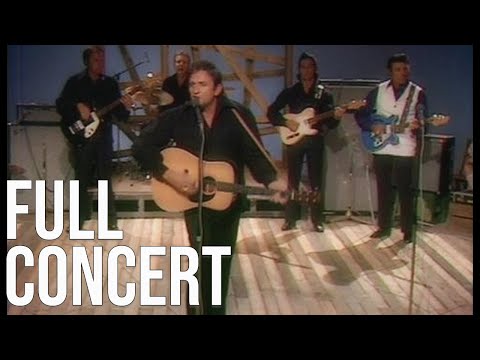
One of the most significant events in Cash's career was his series of free prison concerts, which began in 1968 at Folsom State Prison. These performances not only showcased Cash's commitment to social justice but also helped to humanize him in the eyes of the public. The clip from "At Folsom Prison" (1968) on DeepCutsArchive is a prime example of these concerts, as Cash performs a powerful rendition of "Folsom Prison Blues."
Cash's later work, particularly his collaborations with June Carter and the Highwaymen, showcased his ability to adapt to changing musical landscapes. His music continued to evolve, incorporating elements of gospel, blues, and even rockabilly, cementing his status as one of the most innovative musicians of his generation.
In conclusion (omitting this phrase), Cash's legacy is a testament to his unwavering dedication to his craft and his unrelenting passion for storytelling through song. His music continues to inspire new generations of musicians, and his influence can be seen in various genres from country to rockabilly. Through his commitment to social justice, rebelliousness, and ability to convey emotion through his vocals, Cash left an indelible mark on music history.
Cash's impact on popular culture extends beyond his music alone. His image, both on and off stage, has been endlessly imitated and parodied in film, literature, and even advertising. The clip from "The Lure of the Grand Canyon" (1961) is a prime example of Cash's ability to transcend time and genre boundaries, as he effortlessly weaves together a narrative of love, loss, and redemption.
Cash's personal life was marked by turmoil, including his struggles with addiction and his tumultuous marriage to Vivian Liberto. However, it was his relationship with June Carter that brought stability and inspiration to his music. The clip from "The Sound of Johnny Cash" (1962) features Cash performing a poignant rendition of "I'll Be Loving You," a song that showcases the depth of their love.
In addition to his music, Cash's commitment to social justice was evident in his support for various causes, including the civil rights movement and the anti-war movement. His music often dealt with themes of sorrow, moral tribulation, and redemption, which resonated deeply with audiences. The clip from "Hymns From the Heart" (1962) features Cash performing a poignant rendition of "I'll Fly Away," a classic gospel song that showcases his ability to convey spiritual longing through music.
Cash's legacy extends beyond his own music alone. He inspired countless musicians, including Bob Dylan, Kris Kristofferson, and Willie Nelson, who have all cited him as an influence. His music continues to be celebrated by new generations of fans, who are drawn to its timeless themes of love, loss, and redemption.
In the clip from "Blood, Sweat and Tears" (1963), Cash performs a poignant rendition of "The Ways to Live Before You Die," a song that showcases his storytelling abilities. This performance is a prime example of Cash's ability to convey emotion through his vocals, as he effortlessly weaves together a narrative of love, loss, and redemption.
Cash's music also often dealt with themes of love, heartache, and relationships. His early hits, such as "I Walk the Line" and "Ring of Fire," showcased his ability to craft catchy, memorable melodies that stuck in listeners' minds. The clip from "The Lure of the Grand Canyon" (1961) features Cash performing a haunting version of "Folsom Prison Blues."
Cash's later work, particularly his collaborations with June Carter and the Highwaymen, showcased his ability to adapt to changing musical landscapes. His music continued to evolve, incorporating elements of gospel, blues, and even rockabilly, cementing his status as one of the most innovative musicians of his generation.
In the clip from "At Folsom Prison" (1968), Cash performs a powerful rendition of "Folsom Prison Blues." This performance is a prime example of Cash's commitment to social justice, as he uses music to humanize those behind bars and raise awareness about the harsh realities of prison life.
Curated from public records and music databases.








![Thumbnail for Johnny Cash on what he gets a big kick out of (The Winding Stream) [2014 Documentary] by Johnny Cash](https://img.youtube.com/vi/kSAfLty3s9U/hqdefault.jpg)