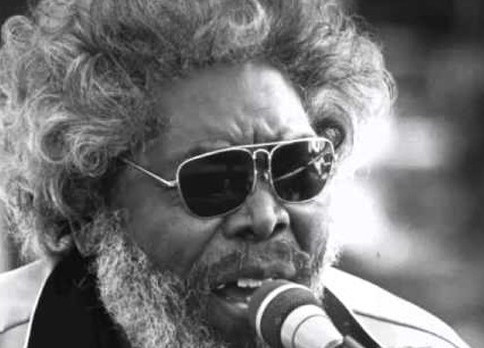
Johnny "Big Moose" Walker — Rare Footage & Clips
The Unheralded Pioneer: Johnny "Big Moose" Walker's Enduring Legacy
In the pantheon of American blues musicians, few names evoke the same sense of reverence and awe as those who have had the privilege of sharing the stage with Johnny "Big Moose" Walker. As a pianist, organist, bassist, and singer, Walker's contributions to the genre are nothing short of profound, yet his name remains relatively unknown outside of blues aficionados. It is our pleasure at DeepCutsArchive to shine a spotlight on this unsung hero, whose influence can be felt in the work of countless others.
Born on June 27, 1927, in Stoneville, Mississippi, Walker's early life and musical trajectory are a testament to his innate talent and dedication. By the time he formed his group in 1927 – an era when blues music was still in its formative stages – Walker had already begun to make waves in the Chicago blues scene. It is here that we find him rubbing shoulders with some of the most iconic figures in blues history, including Ike Turner, Sonny Boy Williamson II, and Elmore James.
One clip from our archive, "Chicago Bound" (1989), offers a glimpse into Walker's later years, when he was still actively performing and recording. The album itself is a masterclass in blues storytelling, with Walker's piano work weaving together the narrative threads of love, heartache, and perseverance. While it may not be as widely known as some of his contemporaries' output, "Chicago Bound" remains a testament to Walker's enduring artistry.
Walker's association with other blues legends is a significant aspect of his legacy. His collaborations with Muddy Waters, Otis Rush, and Howlin' Wolf are well-documented, but it's worth noting that he also shared the stage with lesser-known figures like Jimmy Dawkins and Mighty Joe Young. These relationships not only speak to Walker's status as a respected peer but also highlight his willingness to learn from and contribute to the blues community.
The sheer breadth of Walker's collaborations is a reminder that his influence extends far beyond his own recordings. As a sideman, he played with some of the most innovative and influential musicians of his era, absorbing their styles and techniques while contributing his own unique perspective. This approach not only helped shape the sound of Chicago blues but also paved the way for future generations of musicians.
While Walker's discography may be relatively sparse compared to some of his contemporaries, his impact on music history is undeniable. As a member of the blues fraternity, he played a crucial role in shaping the genre's sonic landscape and paving the way for others to follow. In an era when blues music was still finding its footing, Walker's contributions helped establish Chicago as a hub for innovative and expressive musicianship.
In our archive, we are fortunate to have several clips that showcase Walker's artistry, including his performances with Sonny Boy Williamson II and Lowell Fulson. These brief glimpses into his live performances offer a glimpse into the intensity and passion that defined his playing style. Whether on piano or organ, Walker's touch was characterized by its warmth, nuance, and emotional depth – qualities that continue to inspire musicians today.
As we celebrate Johnny "Big Moose" Walker's legacy, it is essential to acknowledge the significance of his contributions to music history. While he may not have achieved widespread fame during his lifetime, his influence can be felt in the work of countless others who have followed in his footsteps. As a testament to his enduring artistry, our archive offers a glimpse into the world of this unsung hero – a world marked by passion, creativity, and an unwavering commitment to the blues tradition.
In the years ahead, as we continue to explore the rich tapestry of American music, it is our hope that Walker's name will become increasingly synonymous with excellence. His story serves as a powerful reminder of the importance of preserving musical heritage and celebrating the unsung heroes who have helped shape the course of history. By sharing his legacy with a wider audience, we honor not only his memory but also the countless musicians whose careers he touched and influenced along the way.
Through our archive, we invite you to experience the music of Johnny "Big Moose" Walker in all its glory – to immerse yourself in the world of Chicago blues, where Walker's piano work shines like a beacon of creativity and expression. As you explore these clips, remember that you are not only witnessing the artistry of an individual but also participating in a larger narrative – one that celebrates the power of music to transcend time, geography, and generations.
In the words of Walker himself, "The blues is a feeling, man. It's something inside you." As we pay tribute to this remarkable artist, let us not forget the profound impact he had on the world of music – an impact that continues to resonate with each passing day.
Curated from public records and music databases.