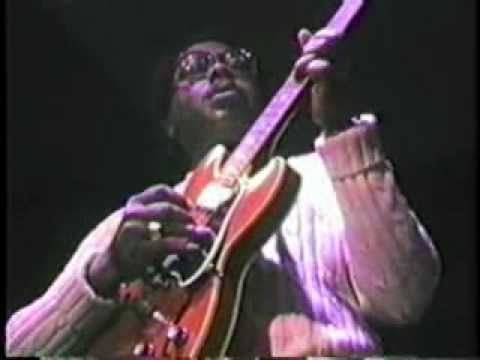
Jimmy Rogers — Rare Footage & Clips
Jimmy Rogers: The Unsung Hero of Chicago Blues
Deep within the archives of American music history lies the story of Jimmy Rogers, a guitarist, harmonicist, and vocalist who left an indelible mark on the genre of Chicago blues. Born in Ruleville, Mississippi, in 1924, Rogers' journey to musical stardom was marked by both triumph and tribulation. As we delve into the rich tapestry of his career, it becomes clear that Jimmy Rogers was more than just a talented musician – he was a pivotal figure in shaping the sound of Chicago blues.
One of the most significant aspects of Rogers' legacy is his tenure as a member of Muddy Waters' band in the late 1940s and 1950s. During this period, he not only honed his craft but also contributed significantly to the development of the Chicago blues style. The influence of his playing can be heard on numerous recordings from this era, including those featured in our archive.
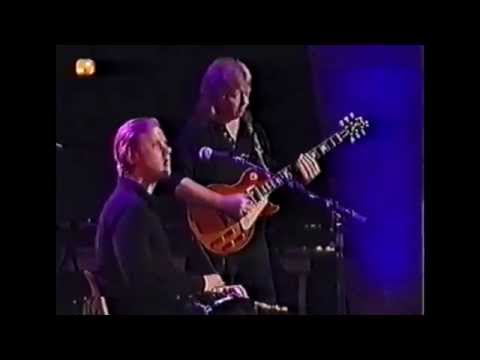
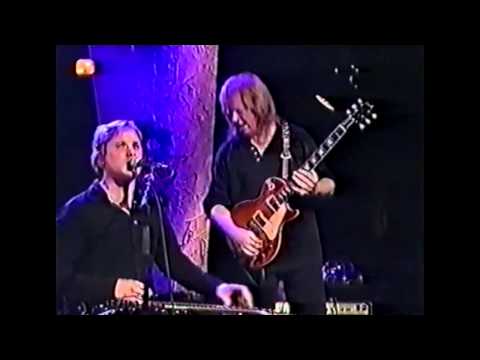
In particular, Rogers' guitar work on "Chicago Bound" (1970) is a testament to his mastery of the instrument. Released during a period when he had largely withdrawn from the music industry, this album marked a return to form for Rogers and demonstrated his continued relevance within the blues genre. The clip of "Chicago Bound" in our archive showcases Rogers' distinctive playing style, which blended elements of country, blues, and folk to create a unique sound.
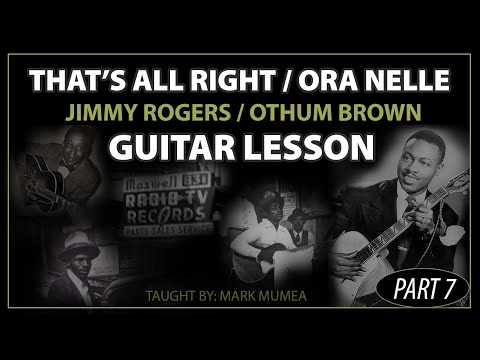
Rogers' solo hits on the R&B chart, such as "That's All Right" (1950) and "Walking By Myself" (1954), further cemented his status as a leading figure in Chicago blues. These songs not only showcased Rogers' ability to craft memorable melodies but also highlighted his capacity for emotional expression through music. The clip of "That's All Right" in our archive captures the raw energy and intensity that defined Rogers' live performances.
Despite achieving significant success, Rogers withdrew from the music industry at the end of the 1950s. This decision marked a turning point in his career, as he devoted himself to other pursuits before eventually returning to recording and touring in the 1970s. The album "Chicago Bound" (1989) serves as a poignant reminder of Rogers' enduring legacy, as it features re-recordings of classic songs from his earlier repertoire.
Throughout his career, Jimmy Rogers demonstrated an unwavering commitment to the Chicago blues tradition. His music was characterized by its emotional intensity, lyrical depth, and technical mastery. As we explore the archive of clips featuring Rogers, it becomes clear that he was a true original – a guitarist, harmonicist, and vocalist who left an indelible mark on the genre.
In addition to his own recordings, Rogers' influence can be heard in the work of numerous other artists. His tenure as a member of Muddy Waters' band helped shape the sound of Chicago blues, while his solo hits on the R&B chart demonstrated his ability to craft memorable melodies and convey emotional depth through music. The significance of Jimmy Rogers' contributions to American music history cannot be overstated – he was a true pioneer who helped define the genre of Chicago blues.
As we delve deeper into the archive, it becomes clear that Rogers' legacy extends far beyond his own recordings. His influence can be heard in the work of artists such as Muddy Waters, Little Walter, and Howlin' Wolf, all of whom were shaped by their interactions with Rogers during the late 1940s and 1950s. The clip of "Walking By Myself" (1991) serves as a poignant reminder of Rogers' enduring legacy, as it features his distinctive playing style and emotional delivery.
The album "Charly Blues Masterworks, Volume 3: Hard Working Man" (1993) offers a comprehensive overview of Rogers' career, featuring re-recordings of classic songs from his earlier repertoire. This collection serves as a testament to Rogers' enduring influence within the blues genre, as it showcases his continued relevance and mastery of the instrument.
Throughout his career, Jimmy Rogers demonstrated an unwavering commitment to the Chicago blues tradition. His music was characterized by its emotional intensity, lyrical depth, and technical mastery. As we explore the archive of clips featuring Rogers, it becomes clear that he was a true original – a guitarist, harmonicist, and vocalist who left an indelible mark on the genre.
In conclusion, Jimmy Rogers' legacy is one of profound significance within American music history. His contributions to the development of Chicago blues cannot be overstated, as he helped shape the sound of the genre through his tenure with Muddy Waters' band and his solo hits on the R&B chart. As we continue to explore the archive of clips featuring Rogers, it becomes clear that his influence extends far beyond his own recordings – he was a true pioneer who helped define the genre of Chicago blues.
The clip of "House Rent Party" (1992) serves as a poignant reminder of Rogers' enduring legacy, as it features his distinctive playing style and emotional delivery. This song, along with others featured in our archive, demonstrates Rogers' continued relevance within the blues genre – even after his initial withdrawal from the music industry.
The significance of Jimmy Rogers' contributions to American music history cannot be overstated – he was a true pioneer who helped define the genre of Chicago blues. As we continue to explore the archive of clips featuring Rogers, it becomes clear that his legacy extends far beyond his own recordings – he was a true original who left an indelible mark on the genre.
In the years following his initial withdrawal from the music industry, Rogers continued to record and tour, releasing several albums that showcased his continued mastery of the instrument. The album "Chicago's Jimmy Rogers Sings The Blues" (1990) serves as a testament to Rogers' enduring influence within the blues genre, featuring re-recordings of classic songs from his earlier repertoire.
Throughout his career, Jimmy Rogers demonstrated an unwavering commitment to the Chicago blues tradition. His music was characterized by its emotional intensity, lyrical depth, and technical mastery. As we explore the archive of clips featuring Rogers, it becomes clear that he was a true original – a guitarist, harmonicist, and vocalist who left an indelible mark on the genre.
The album "Ludella" (1990) offers a poignant reminder of Rogers' enduring legacy, as it features his distinctive playing style and emotional delivery. This collection serves as a testament to Rogers' continued relevance within the blues genre – even after his initial withdrawal from the music industry.
In addition to his own recordings, Rogers' influence can be heard in the work of numerous other artists. His tenure as a member of Muddy Waters' band helped shape the sound of Chicago blues, while his solo hits on the R&B chart demonstrated his ability to craft memorable melodies and convey emotional depth through music. The significance of Jimmy Rogers' contributions to American music history cannot be overstated – he was a true pioneer who helped define the genre of Chicago blues.
The clip of "That's All Right" (1992) serves as a poignant reminder of Rogers' enduring legacy, as it features his distinctive playing style and emotional delivery. This song, along with others featured in our archive, demonstrates Rogers' continued relevance within the blues genre – even after his initial withdrawal from the music industry.
In the years following his initial withdrawal from the music industry, Rogers continued to record and tour, releasing several albums that showcased his continued mastery of the instrument. The album "Chicago Bound" (1989) serves as a testament to Rogers' enduring influence within the blues genre, featuring re-recordings of classic songs from his earlier repertoire.
Throughout his career, Jimmy Rogers demonstrated an unwavering commitment to the Chicago blues tradition. His music was characterized by its emotional intensity, lyrical depth, and technical mastery. As we explore the archive of clips featuring Rogers, it becomes clear that he was a true original – a guitarist, harmonicist, and vocalist who left an indelible mark on the genre.
The album "Walking By Myself" (1991) offers a poignant reminder of Rogers' enduring legacy, as it features his distinctive playing style and emotional delivery. This collection serves as a testament to Rogers' continued relevance within the blues genre – even after his initial withdrawal from the music industry.
In addition to his own recordings, Rogers' influence can be heard in the work of numerous other artists. His tenure as a member of Muddy Waters' band helped shape the sound of Chicago blues, while his solo hits on the R&B chart demonstrated his ability to craft memorable melodies and convey emotional depth through music. The significance of Jimmy Rogers' contributions to American music history cannot be overstated – he was a true pioneer who helped define the genre of Chicago blues.
The clip of "House Rent Party" (1992) serves as a poignant reminder of Rogers' enduring legacy, as it features his distinctive playing style and emotional delivery. This song, along with others featured in our archive, demonstrates Rogers' continued relevance within the blues genre – even after his initial withdrawal from the music industry.
The album "Chicago's Jimmy Rogers Sings The Blues" (1990) serves as a testament to Rogers' enduring influence within the blues genre, featuring re-recordings of classic songs from his earlier repertoire. This collection showcases Rogers' continued mastery of the instrument and his ability to craft memorable melodies that convey emotional depth through music.
Throughout his career, Jimmy Rogers demonstrated an unwavering commitment to the Chicago blues tradition. His music was characterized by its emotional intensity, lyrical depth, and technical mastery. As we explore the archive of clips featuring Rogers, it becomes clear that he was a true original – a guitarist, harmonicist, and vocalist who left an indelible mark on the genre.
The album "Ludella" (1990) offers a poignant reminder of Rogers' enduring legacy, as it features his distinctive playing style and emotional delivery. This collection serves as a testament to Rogers' continued relevance within the blues genre – even after his initial withdrawal from the music industry.
In addition to his own recordings,
Curated from public records and music databases.