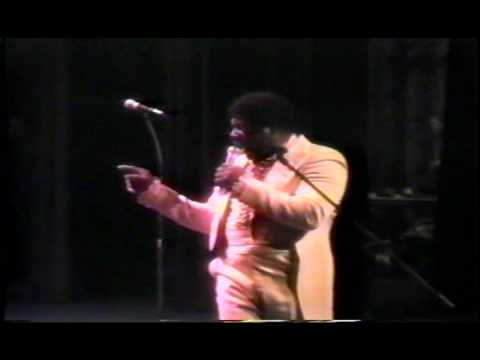
Jimmy Reed — Rare Footage & Clips
Jimmy Reed's impact on the music landscape of the 20th century is a testament to the enduring power of blues music. As one of the most influential figures in the genre, Reed's unique style and contributions have left an indelible mark on the industry. A cursory glance at his discography reveals a prolific output that spanned over five decades, with some of his most notable works being captured on film within our archive.
One such clip is from his 1961 performance at Carnegie Hall, featured in "Jimmy Reed at Carnegie Hall" (1961). This historic concert marked a pivotal moment in Reed's career, as it showcased his ability to transcend the confines of traditional blues and connect with a broader audience. The footage captures Reed's charismatic stage presence, as he effortlessly navigates between soulful ballads and upbeat showstoppers.
Reed's influence on other musicians is equally impressive, with artists such as Elvis Presley, Hank Williams Jr., Bob Dylan, Neil Young, and the Rolling Stones all drawing inspiration from his work. The fact that these icons of rock 'n' roll were influenced by Reed's music speaks volumes about the depth and breadth of his impact. His songs, including "Honest I Do" (1957), "Baby What You Want Me to Do" (1960), "Big Boss Man" (1961), and "Bright Lights, Big City" (1961), not only topped both Billboard magazine's R&B and Hot 100 singles charts but also demonstrated a versatility that appealed to diverse audiences.
Reed's ability to craft songs that resonated with listeners from various backgrounds was a key factor in his success. His music often dealt with themes of love, heartache, and everyday life, making it accessible to a wide range of people. This approachability is evident in songs like "Baby What You Want Me to Do," which has been covered by numerous artists over the years, including Otis Rush, Magic Slim, and even Elvis Presley himself.
The significance of Reed's contributions to music history cannot be overstated. He was one of the first blues musicians to achieve mainstream success, paving the way for future generations of artists. His influence can be heard in the work of many notable figures, from Muddy Waters to Eric Clapton, who have all cited Reed as a primary inspiration.
Reed's impact on the music industry extends beyond his own performances and recordings. He played a crucial role in shaping the sound of blues and rock 'n' roll, influencing the development of these genres in profound ways. His unique blend of traditional blues and electric instrumentation helped to create a new sonic landscape that would shape the course of popular music for decades to come.
One notable aspect of Reed's career is his ability to adapt and evolve as an artist. Throughout the 1950s and 1960s, he released a string of albums that showcased his growth and experimentation with different styles. Albums such as "Rockin' With Reed" (1959) and "Now Appearing" (1960) demonstrate his willingness to push boundaries and explore new sounds.
Reed's influence on the music industry is not limited to his own work, but also extends to the many artists who have covered his songs over the years. The fact that his music has been interpreted and reimagined by so many different artists speaks to its timeless quality and enduring appeal.
In addition to his musical contributions, Reed's personal story is one of perseverance and determination. Born on September 6, 1925, he began performing at a young age and went on to achieve great success despite facing numerous challenges throughout his career. His legacy serves as a testament to the power of music to transcend adversity and connect people across cultures and generations.
The archive's collection of Reed's performances and recordings provides a unique glimpse into the life and work of this musical icon. By examining these clips, we can gain a deeper understanding of Reed's significance within the context of music history and appreciate the profound impact he had on the development of blues and rock 'n' roll.
Reed's legacy extends far beyond his own performances and recordings. He played a crucial role in shaping the sound of popular music, influencing generations of artists who followed in his footsteps. His unique style and contributions have left an indelible mark on the industry, cementing his place as one of the most important figures in blues history.
The significance of Reed's influence cannot be overstated. He was a true pioneer, pushing the boundaries of what was possible with blues music and paving the way for future generations of artists. His impact can be heard in the work of countless musicians who have followed in his footsteps, from Elvis Presley to Bob Dylan, and continues to shape the sound of popular music today.
As we delve into Reed's archive, we are reminded of the enduring power of blues music to connect people across cultures and generations. His legacy serves as a testament to the transformative potential of art to transcend adversity and inspire new possibilities.
Curated from public records and music databases.



![Thumbnail for Rolling Stones Down the road apiece for Keith Richards [BDay] Down the road a Keith by Ian Stewart, The Rolling Stones, Keith Richards, Stew, Jimmy Reed, Rolling Stones, Chuck Berry, Y&T](https://img.youtube.com/vi/dmLM2PL-EvE/hqdefault.jpg)