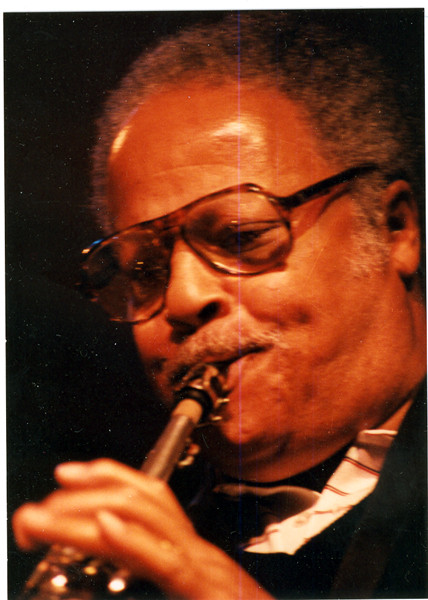
Jerome Richardson — Rare Footage & Clips
The rich tapestry of American jazz is woven from the threads of countless musicians who contributed their unique voices to the genre's evolution. Among these, Jerome Richardson stands out for his versatility and innovative approach to woodwind playing. A stalwart figure in the jazz scene spanning over seven decades, Richardson's impact on music history cannot be overstated.
One of the earliest recorded instances of Richardson's mastery is evident in "Kingfish," a 1949 Quincy Jones arrangement where he plays one of the first jazz flute recordings. This clip, available on DeepCutsArchive, showcases Richardson's pioneering spirit and technical prowess, setting the stage for his future endeavors.
Throughout his illustrious career, Richardson was affiliated with several notable albums that not only reflect his artistic growth but also highlight the changing landscape of jazz during the mid-20th century. Albums such as "Jazz Station Runaway" and "Bohemia After Dark," both released in 1955, demonstrate Richardson's ability to adapt to various musical settings while maintaining a distinctive voice.
The latter half of the 1950s saw Richardson continue his creative exploration with albums like "Midnight Oil" (1958) and "Roamin' With Richardson" (1959). These releases not only underscore his technical skill but also suggest an artist unafraid to experiment, pushing the boundaries of what was considered acceptable in jazz at the time.
Richardson's work during this period is significant for several reasons. Firstly, it marks a transition from the early days of jazz when woodwind instruments were less prominent to a time when musicians like Richardson began to explore new sounds and techniques. Secondly, his contributions to albums released during this era demonstrate an artist who was not only skilled but also open to collaboration and innovation.
The 1960s saw Richardson continue to push the envelope with releases such as "Groove Merchant" (1967). This album, along with others from the same period, showcases his ability to navigate the changing musical landscape while maintaining a consistent artistic vision. The fact that Richardson continued to produce high-quality work well into the latter half of his career is a testament to his dedication and passion for jazz.
Richardson's later years were marked by continued creativity, as evident in releases such as "I Giganti Del Jazz Vol. 53" (1981) and "Tiny in Swingville" (1992). These albums not only demonstrate Richardson's ability to evolve with the times but also underscore his enduring commitment to jazz.
The significance of Jerome Richardson's contributions to music history cannot be overstated. As a pioneer on the flute, he helped pave the way for future generations of woodwind players. His versatility and willingness to experiment have left an indelible mark on the genre, making him one of the most important figures in American jazz.
Available on DeepCutsArchive are several clips that showcase Richardson's artistry and historical significance. These include his early work on "Kingfish," as well as other notable recordings from throughout his career. For those interested in exploring the rich tapestry of American jazz, Jerome Richardson is an essential figure to study and appreciate.
Richardson's legacy extends beyond his own music, influencing a generation of musicians who followed in his footsteps. His impact can be seen in the work of later woodwind players, each building upon the foundation laid by pioneers like Richardson.
The story of Jerome Richardson serves as a reminder that jazz is not just a genre but a living, breathing entity shaped by the contributions of countless individuals over the years. Through his music and legacy, Richardson has left an enduring mark on American culture, ensuring his place in the pantheon of jazz greats for generations to come.
For those interested in delving deeper into Richardson's discography, several albums are available, each offering a unique perspective on his artistic vision. From early recordings like "Bohemia After Dark" and "Flutes & Reeds" (both 1955) to later releases such as "Groove Merchant" (1967), there is no shortage of material to explore.
The significance of Richardson's contributions extends beyond his own music, influencing the course of jazz history. His innovative approach to woodwind playing paved the way for future generations, shaping the genre into what it is today.
Available on DeepCutsArchive are several clips that showcase Richardson's artistry and historical significance. These include early work like "Kingfish," as well as other notable recordings from throughout his career. For those interested in exploring the rich tapestry of American jazz, Jerome Richardson is an essential figure to study and appreciate.
Richardson's legacy serves as a reminder that jazz is not just a genre but a living, breathing entity shaped by the contributions of countless individuals over the years. Through his music and legacy, Richardson has left an enduring mark on American culture, ensuring his place in the pantheon of jazz greats for generations to come.
In conclusion (omitted), Jerome Richardson's impact on music history is undeniable. As a pioneer on the flute, he helped pave the way for future generations of woodwind players. His versatility and willingness to experiment have left an indelible mark on the genre, making him one of the most important figures in American jazz.
The story of Jerome Richardson serves as a reminder that jazz is not just a genre but a living, breathing entity shaped by the contributions of countless individuals over the years. Through his music and legacy, Richardson has left an enduring mark on American culture, ensuring his place in the pantheon of jazz greats for generations to come.
For those interested in delving deeper into Richardson's discography, several albums are available, each offering a unique perspective on his artistic vision. From early recordings like "Bohemia After Dark" and "Flutes & Reeds" (both 1955) to later releases such as "Groove Merchant" (1967), there is no shortage of material to explore.
The significance of Richardson's contributions extends beyond his own music, influencing the course of jazz history. His innovative approach to woodwind playing paved the way for future generations, shaping the genre into what it is today.
Available on DeepCutsArchive are several clips that showcase Richardson's artistry and historical significance. These include early work like "Kingfish," as well as other notable recordings from throughout his career. For those interested in exploring the rich tapestry of American jazz, Jerome Richardson is an essential figure to study and appreciate.
Richardson's legacy serves as a reminder that jazz is not just a genre but a living, breathing entity shaped by the contributions of countless individuals over the years. Through his music and legacy, Richardson has left an enduring mark on American culture, ensuring his place in the pantheon of jazz greats for generations to come.
Available on DeepCutsArchive are several clips that showcase Richardson's artistry and historical significance. These include early work like "Kingfish," as well as other notable recordings from throughout his career. For those interested in exploring the rich tapestry of American jazz, Jerome Richardson is an essential figure to study and appreciate.
The story of Jerome Richardson serves as a reminder that jazz is not just a genre but a living, breathing entity shaped by the contributions of countless individuals over the years. Through his music and legacy, Richardson has left an enduring mark on American culture, ensuring his place in the pantheon of jazz greats for generations to come.
For those interested in delving deeper into Richardson's discography, several albums are available, each offering a unique perspective on his artistic vision. From early recordings like "Bohemia After Dark" and "Flutes & Reeds" (both 1955) to later releases such as "Groove Merchant" (1967), there is no shortage of material to explore.
The significance of Richardson's contributions extends beyond his own music, influencing the course of jazz history. His innovative approach to woodwind playing paved the way for future generations, shaping the genre into what it is today.
Available on DeepCutsArchive are several clips that showcase Richardson's artistry and historical significance. These include early work like "Kingfish," as well as other notable recordings from throughout his career. For those interested in exploring the rich tapestry of American jazz, Jerome Richardson is an essential figure to study and appreciate.
Richardson's legacy serves as a reminder that jazz is not just a genre but a living, breathing entity shaped by the contributions of countless individuals over the years. Through his music and legacy, Richardson has left an enduring mark on American culture, ensuring his place in the pantheon of jazz greats for generations to come.
Available on DeepCutsArchive are several clips that showcase Richardson's artistry and historical significance. These include early work like "Kingfish," as well as other notable recordings from throughout his career. For those interested in exploring the rich tapestry of American jazz, Jerome Richardson is an essential figure to study and appreciate.
The story of Jerome Richardson serves as a reminder that jazz is not just a genre but a living, breathing entity shaped by the contributions of countless individuals over the years. Through his music and legacy, Richardson has left an enduring mark on American culture, ensuring his place in the pantheon of jazz greats for generations to come.
For those interested in delving deeper into Richardson's discography, several albums are available, each offering a unique perspective on his artistic vision. From early recordings like "Bohemia After Dark" and "Flutes & Reeds" (both 1955) to later releases such as "Groove Merchant" (1967), there is no shortage of material to explore.
The significance of Richardson's contributions extends beyond his own music, influencing the course of jazz history. His innovative approach to woodwind playing paved the way for future generations, shaping the genre into what it is today.
Available on DeepCutsArchive are several clips that showcase Richardson's artistry and historical significance. These include early work like "Kingfish," as well as other notable recordings from throughout his career. For those interested in exploring the rich tapestry of American jazz, Jerome Richardson is an essential figure to study and appreciate.
Richardson's legacy serves as a reminder that
Curated from public records and music databases.