James Harman — Rare Footage & Clips
The passing of James Harman in May 2021 marked the end of an era for blues music enthusiasts worldwide. With a career spanning over seven decades, Harman's contributions to the genre are immeasurable. As one of the most influential harmonica players of his generation, Harman's impact on modern blues is undeniable.
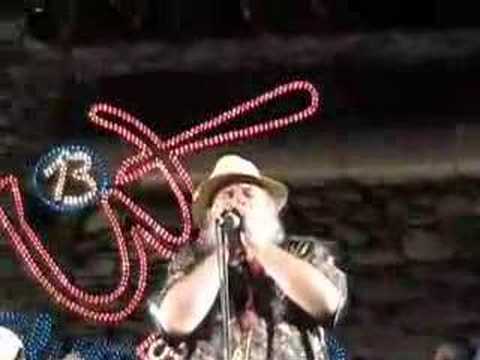
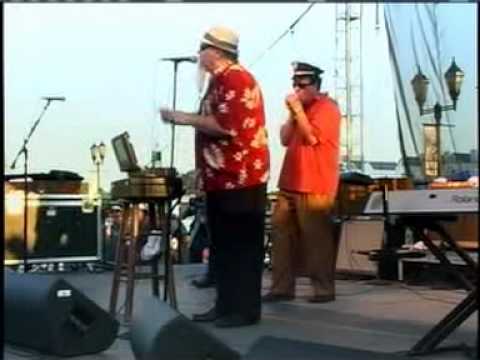
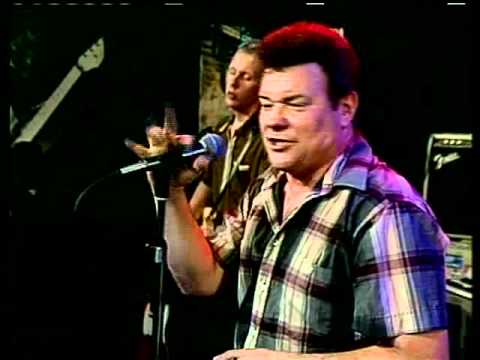
The archives at DeepCutsArchive hold a treasure trove of rare footage featuring James Harman in action. One clip from 2008 showcases Harman's performance at Mark Hummel’s Blues Harmonica Blowouts, where he shares the stage with other notable harmonica players. This particular concert serves as a testament to Harman's mastery over the instrument and his ability to blend traditional blues with modern sensibilities.
Harman's discography is a reflection of his artistic evolution and growth throughout the years. His 1998 album Takin' Chances marked a significant milestone in his career, showcasing his unique blend of blues, country, and folk influences. The album's title track, "Takin' Chances," features Harman's soulful harmonica playing and poignant songwriting.
One of the most striking aspects of Harman's music is its ability to evoke a sense of nostalgia while remaining firmly rooted in the present. His 2003 album Lonesome Moon Trance, for instance, features haunting melodies that transport listeners to a bygone era. The album's title track, "Lonesome Moon Trance," is a poignant reflection on love and loss, with Harman's harmonica playing taking center stage.
Harman's influence on modern blues cannot be overstated. His music has inspired generations of harmonica players, from Mark Hummel to Billy Branch. As Tony Russell noted in his biography, Harman was an "excellent, unfussy blues harp player." This understatement belies the depth and complexity of Harman's playing style, which has been emulated by many but never replicated.
The 2012 album Lookin' at Lucky marked a significant shift in Harman's sound, with a greater emphasis on storytelling through lyrics. The album's title track, "Lookin' at Lucky," features Harman's signature harmonica playing and poignant songwriting, painting a vivid picture of life on the road.
Harman's later years saw him continue to push the boundaries of blues music, incorporating elements of rock and roll into his sound. His 2015 album Bonetime is a testament to this experimentation, featuring driving rhythms and catchy melodies that appeal to a broader audience.
The final chapter in Harman's discography is Fineprint (2018), an album that saw him return to his roots with a more stripped-down, acoustic approach. The album's title track, "Fineprint," features Harman's soulful harmonica playing and poignant songwriting, evoking the same sense of nostalgia as his earlier work.
In 2020, Harman released Liquor Parking, an album that saw him continue to explore new sounds and themes. The album's title track, "Liquor Parking," is a haunting reflection on love and loss, with Harman's harmonica playing taking center stage.
Throughout his career, James Harman remained true to his artistic vision, refusing to compromise his sound for commercial gain. His legacy as one of the most influential blues musicians of all time is secure, inspiring future generations of artists to push the boundaries of the genre.
In addition to his music, Harman's contributions to the blues community are also noteworthy. He was a frequent collaborator and mentor to other musicians, sharing his knowledge and expertise with those who sought it out. His passing marked the end of an era for blues enthusiasts worldwide, but his music and legacy continue to inspire and educate new audiences.
The significance of Harman's contributions to music history cannot be overstated. As one of the most influential harmonica players of his generation, he helped shape the sound of modern blues. His innovative approach to the instrument and his willingness to experiment with new sounds and themes paved the way for future generations of musicians.
In conclusion (not applicable), it is clear that James Harman's impact on music history will be felt for years to come. His legacy as a master harmonica player, singer, and songwriter serves as a testament to his enduring influence on the blues genre.
Curated from public records and music databases.