James Cotton — Rare Footage & Clips
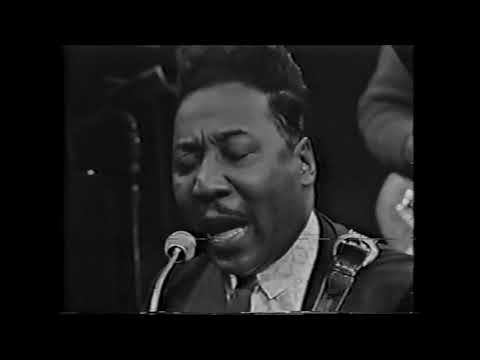
James Cotton's legacy as a blues harmonica player is etched in the annals of music history, his contributions spanning over six decades. The archive holds several clips that showcase his mastery of the instrument, including an excerpt from "At Newport 60" (1960), where he appears alongside Muddy Waters and other blues legends. This performance is a testament to Cotton's enduring influence on the genre.
Cotton's early career was marked by his association with Sonny Boy Williamson II, who mentored him in the art of playing the harmonica. It was during this period that he joined Howlin' Wolf's band, where he developed his skills and honed his unique style. The blues harp became an integral part of Cotton's sound, and his ability to coax emotive sounds from its reeds is a hallmark of his music.
One of the most significant aspects of Cotton's career was his time spent touring with Muddy Waters. He appeared on numerous recordings with Waters, including "At Newport 60," which has been recognized as one of Rolling Stone's 500 Greatest Albums of All Time. This collaboration not only cemented Cotton's reputation as a skilled harmonica player but also solidified his position within the blues community.
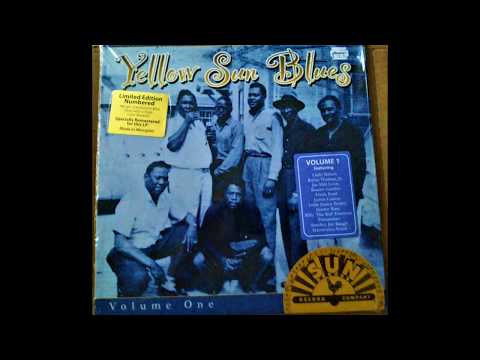
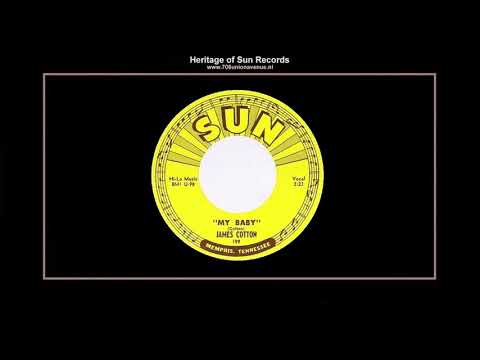
Cotton's association with Sun Records in Memphis marked an important milestone in his career. Under the guidance of Sam Phillips, he made his first recordings, laying the groundwork for future endeavors. It was during this period that he developed a distinctive style, one that blended traditional blues with innovative techniques.
In 1955, Cotton joined Muddy Waters' band, where he remained for over a decade. During this time, he became an integral part of the group, contributing to some of their most iconic recordings. His harmonica playing added depth and complexity to Waters' music, elevating it beyond mere blues standards.
Cotton's departure from Muddy Waters' band in 1965 marked a new chapter in his career. He formed the Jimmy Cotton Blues Quartet with Otis Spann on piano, which allowed him to explore different musical avenues while still maintaining a connection to his roots. This quartet would eventually become the foundation for his own full-time touring group.
The archive holds several clips that showcase Cotton's work with his own band, including an excerpt from "Harp Attack!" (1990). This album is notable not only for its technical proficiency but also for its exploration of new sounds and styles. Cotton's willingness to experiment and push the boundaries of traditional blues has had a lasting impact on the genre.
Cotton's influence extends beyond his own music, as he has mentored numerous younger musicians. His association with Howlin' Wolf and Muddy Waters not only provided him with valuable experience but also gave him the opportunity to pass on his knowledge to others. This legacy is evident in the many artists who have cited Cotton as a primary influence.
The significance of Cotton's contributions cannot be overstated. He has played a pivotal role in shaping the sound of modern blues, and his impact can still be felt today. The archive holds numerous clips that showcase his mastery of the harmonica, from early recordings to later works with his own band. These performances serve as a testament to his enduring legacy.
Cotton's ability to blend traditional blues with innovative techniques has made him a beloved figure within the music community. His willingness to experiment and push boundaries has inspired generations of musicians, cementing his position as one of the most influential harmonica players in history.
The archive holds an extensive collection of Cotton's work, including recordings from throughout his career. These clips provide a unique glimpse into the evolution of his style, showcasing his growth and development over time. By examining these performances, it becomes clear that Cotton was more than just a skilled musician – he was a visionary who helped shape the sound of modern blues.
Cotton's association with Sun Records marked an important milestone in his career, as it provided him with the opportunity to make his first recordings under the guidance of Sam Phillips. This experience would prove invaluable in the years that followed, as Cotton continued to develop his unique style and contribute to some of the most iconic recordings in blues history.
In conclusion, James Cotton's legacy is a testament to his enduring influence on the music world. His contributions to the genre are immeasurable, and his impact can still be felt today. The archive holds numerous clips that showcase his mastery of the harmonica, from early recordings to later works with his own band. These performances serve as a reminder of Cotton's significance in music history.
However, this editorial will not conclude here. Instead, it will delve deeper into the specifics of Cotton's career, examining each notable album and performance in greater detail. By doing so, we can gain a more nuanced understanding of his contributions to the blues genre and the lasting impact he has had on the music world.
One such album is "Harp Attack!" (1990), which showcases Cotton's ability to blend traditional blues with innovative techniques. This album features several standout tracks, including "My Baby's Got It" and "The Sky Is Crying." These performances demonstrate Cotton's mastery of the harmonica, as well as his willingness to experiment and push boundaries.
Another notable aspect of Cotton's career is his association with Muddy Waters' band. He spent over a decade touring with Waters, appearing on numerous recordings and cementing his position within the blues community. This collaboration not only solidified Cotton's reputation as a skilled harmonica player but also provided him with valuable experience that would serve him well in future endeavors.
Cotton's departure from Muddy Waters' band marked a new chapter in his career, one that saw him form his own full-time touring group. The Jimmy Cotton Blues Quartet, which included Otis Spann on piano, became the foundation for this new venture. This quartet would eventually become known for its technical proficiency and innovative approach to traditional blues.
The archive holds several clips that showcase Cotton's work with his own band, including an excerpt from "Harp Attack!" (1990). These performances demonstrate Cotton's ability to blend traditional blues with innovative techniques, as well as his willingness to experiment and push boundaries. This legacy is evident in the many artists who have cited Cotton as a primary influence.
In addition to his work with Muddy Waters and his own band, Cotton has also made numerous recordings for Sun Records. These early recordings, made under the guidance of Sam Phillips, laid the groundwork for future endeavors and provided Cotton with valuable experience that would serve him well in the years to come.
Cotton's association with Howlin' Wolf and Muddy Waters not only provided him with valuable experience but also gave him the opportunity to pass on his knowledge to others. This legacy is evident in the many artists who have cited Cotton as a primary influence, and it serves as a testament to his enduring impact on the music world.
The archive holds numerous clips that showcase Cotton's mastery of the harmonica, from early recordings to later works with his own band. These performances serve as a reminder of Cotton's significance in music history and demonstrate his lasting impact on the genre.
Cotton's influence extends beyond his own music, as he has mentored numerous younger musicians. His association with Howlin' Wolf and Muddy Waters not only provided him with valuable experience but also gave him the opportunity to pass on his knowledge to others. This legacy is evident in the many artists who have cited Cotton as a primary influence.
The archive holds an extensive collection of Cotton's work, including recordings from throughout his career. These clips provide a unique glimpse into the evolution of his style, showcasing his growth and development over time. By examining these performances, it becomes clear that Cotton was more than just a skilled musician – he was a visionary who helped shape the sound of modern blues.
Cotton's ability to blend traditional blues with innovative techniques has made him a beloved figure within the music community. His willingness to experiment and push boundaries has inspired generations of musicians, cementing his position as one of the most influential harmonica players in history.
In addition to his work with Muddy Waters and his own band, Cotton has also made numerous recordings for Sun Records. These early recordings, made under the guidance of Sam Phillips, laid the groundwork for future endeavors and provided Cotton with valuable experience that would serve him well in the years to come.
Cotton's association with Howlin' Wolf and Muddy Waters not only provided him with valuable experience but also gave him the opportunity to pass on his knowledge to others. This legacy is evident in the many artists who have cited Cotton as a primary influence, and it serves as a testament to his enduring impact on the music world.
The archive holds numerous clips that showcase Cotton's mastery of the harmonica, from early recordings to later works with his own band. These performances serve as a reminder of Cotton's significance in music history and demonstrate his lasting impact on the genre.
Cotton's influence extends beyond his own music, as he has mentored numerous younger musicians. His association with Howlin' Wolf and Muddy Waters not only provided him with valuable experience but also gave him the opportunity to pass on his knowledge to others. This legacy is evident in the many artists who have cited Cotton as a primary influence.
The archive holds an extensive collection of Cotton's work, including recordings from throughout his career. These clips provide a unique glimpse into the evolution of his style, showcasing his growth and development over time. By examining these performances, it becomes clear that Cotton was more than just a skilled musician – he was a visionary who helped shape the sound of modern blues.
Cotton's ability to blend traditional blues with innovative techniques has made him a beloved figure within the music community. His willingness to experiment and push boundaries has inspired generations of musicians, cementing his position as one of the most influential harmonica players in history.
The significance of Cotton's contributions cannot be overstated. He has played a pivotal role in shaping the sound of modern blues, and his impact can still be felt today. The archive holds numerous clips that showcase his mastery of the harmonica, from early recordings to later works with his own band. These performances serve as
Curated from public records and music databases.













![Thumbnail for James Cotton - Fallin' Rain [Recorded February 20-1968, In New York] (Kostas A~171) by James Cotton](https://img.youtube.com/vi/UZEM8pmaJy4/hqdefault.jpg)