DeepCutsArchive
BrowseArtistsTimelineMapDecadesSubmit

DeepCutsArchive

Preserving the footage that shaped music history. Rare clips, studio sessions, and moments lost to time.

BrowseArtistsGenresDecadesLocationsSubmit a ClipAboutContactEditorial PolicyArticles

© 2026 DeepCutsArchive. All footage remains the property of its original creators.

Privacy PolicyTerms of UseSupport

Developed with love as a personal project by Jamie McDonnell

ui-ux-design.comai-consultancy.company
Herbie Mann — Rare Clips — DeepCutsArchive — DeepCutsArchive
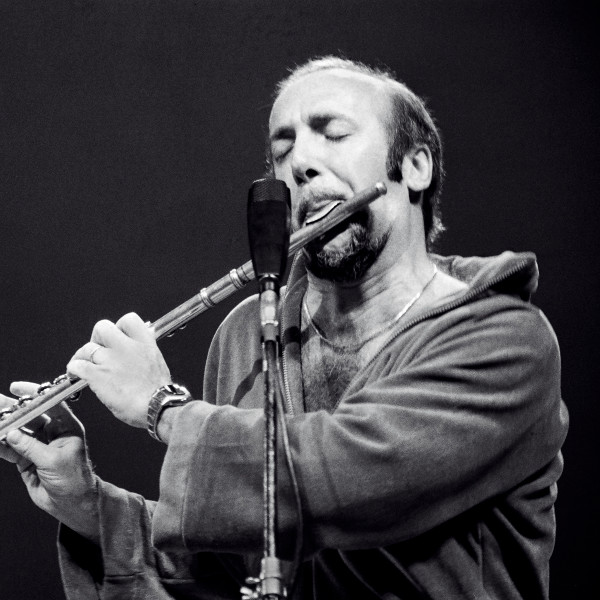
Herbie Mann

Herbie Mann

1930–2003United States1960s1970s

About Herbie Mann

American jazz flutist, tenor saxophonist, clarinetist & bass clarinetist. He branched out to latin jazz, reggae and disco, to name some of the styles he explored. Mann also established Embryo Records (1969-1977) and Kokopelli Records (mid. '90s). Born April 16, 1930 in Brooklyn, New York, died July 01, 2003 in Pecos, New Mexico First began playing professionally at the age of fifteen. After serving in the U.S. Army overseas in the early 50's, Mann recorded for Bethlehem Records and was among the group of reed players to first utilize the flute as a main voice in jazz. During this time he still played multiple instruments in the bop/cool jazz idioms but explored what became known as world music early on. He eventually became the first American jazz artist to record in the Bossa Nova style during the early 1960's, abandoning other reed instruments to focus on flutes. During the late 1960`s, when Miles Davis was fusing rock with jazz, he began fusing Southern rock and soul with jazz which led to the hit album Memphis Underground. Herbie began getting involved with the newly emerging disco scene when he covered LTG Exchange's "Waterbed" which appeared on the album of the same name. It's a very funky instrumental with a great bassline. On this album he also covered "Hijack" by Barrabas. This became popular in the early disco scene in the UK and was one of the very first 12" promos ever pressed in Europe. Another disco recording was his cover of Celi Bee's "Superman" theme which peaked at #26 on the US Billboard charts. For this album, called "Super Mann," Herbie worked with New York disco producer Patrick Adams and together they wrote the jazz-funk classic "Etagui". Father of jazz drummer & arranger [a2046927].

Read more on Wikipedia →

Formed

1930 – 2003

Origin

United States

Discography

Flamingo, Volume 2 (1955)

This Is Chris (1955)

East Coast Jazz/4 (1955)

The Herbie Mann-Sam Most Quintet (1956)

Herbie Mann Plays (1956)

Mann Alone (1957)

Great Ideas of Western Mann (1957)

Salute to the Flute (1957)

Flute Flight (1957)

Yardbird Suite (1957)

Flute Soufflé (1957)

Flute Fraternity (1957)

Hi Flutin' (1957)

Mann in the Morning (1958)

Herbie Mann With The Wessel Ilcken Trio (1958)

More Clips2 clips

  • Thumbnail for "Comin' Home Baby"  Herbie Mann by Herbie Mann8:39

    "Comin' Home Baby" Herbie Mann

    Herbie Mann

    1960s

Herbie Mann by Decade

1960s1970s

Keep Exploring

1950s1970sAll ArtistsAll GenresAll Decades
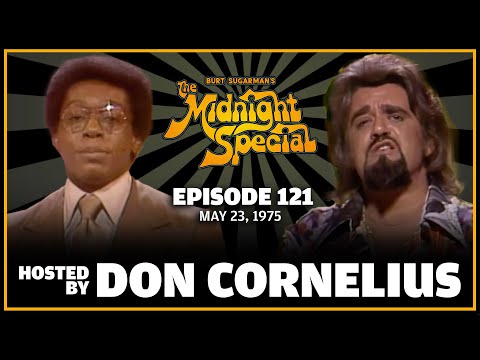
  • Thumbnail for Ep 121 - The Midnight Special Episode |  May 23, 1975 by Herbie Mann1:07:55

    Ep 121 - The Midnight Special Episode | May 23, 1975

    Herbie Mann

    1970s
  • Browse by Tag
    More from 1960s

    Herbie Mann — Rare Footage & Clips

    Herbie Mann's trailblazing career spanned over seven decades, leaving an indelible mark on the jazz landscape. As a virtuosic flutist, tenor saxophonist, clarinetist, and bass clarinetist, Mann's versatility was matched only by his innovative spirit. His journey from Brooklyn to international recognition is a testament to his unwavering dedication to exploring new sounds and styles.

    The 1950s marked the beginning of Mann's professional career, with his first recordings for Bethlehem Records showcasing his burgeoning talent as a reed player. It was during this period that he, along with other pioneering musicians, began to experiment with the flute as a primary instrument in jazz. This bold move not only expanded the sonic palette of the genre but also paved the way for future generations of flutists.

    Mann's early work with Bethlehem Records was characterized by his involvement in the bop and cool jazz idioms. However, it was his subsequent exploration of world music that set him apart from his contemporaries. His curiosity and willingness to venture into uncharted territories would become a defining feature of his career, as he continued to push the boundaries of what was considered "jazz." This eclectic approach not only influenced his own music but also had a profound impact on the broader jazz landscape.

    One of the most significant milestones in Mann's career was his adoption of the flute as his primary instrument. Abandoning other reed instruments, he delved deeper into the world of Latin American music, becoming one of the first American jazz artists to record in the Bossa Nova style during the early 1960s. This bold move not only showcased his technical mastery but also demonstrated his ability to connect with diverse musical traditions.

    The late 1960s saw Mann's fusion of Southern rock and soul with jazz, resulting in the hit album Memphis Underground. This innovative blend of styles not only reflected the changing musical landscape but also cemented Mann's status as a trailblazer. His willingness to experiment and incorporate new influences into his music was a hallmark of his career, earning him a reputation as one of the most adventurous and forward-thinking musicians of his generation.

    Mann's involvement with the emerging disco scene in the 1970s marked another significant chapter in his career. His cover of LTG Exchange's "Waterbed" showcased his ability to adapt to new styles while maintaining his unique flair. This album, which also featured his cover of Barrabas' "Hijack," was one of the first 12" promos ever pressed in Europe, demonstrating Mann's influence on the burgeoning disco movement.

    The success of these early disco recordings paved the way for Mann's subsequent collaborations with New York producer Patrick Adams. Together, they crafted the jazz-funk classic "Etagui," which would become a staple of Mann's live performances. This fusion of styles not only reflected the musical trends of the time but also underscored Mann's ability to navigate diverse genres while remaining true to his artistic vision.

    Mann's impact on music history extends beyond his own recordings. As a label owner, he played a significant role in promoting emerging artists and fostering innovation within the jazz community. His establishment of Embryo Records (1969-1977) and Kokopelli Records (mid-'90s) provided a platform for musicians to explore new sounds and styles, further solidifying his reputation as a champion of creative expression.

    Throughout his career, Mann's commitment to artistic exploration was matched only by his dedication to mentoring the next generation of musicians. As the father of jazz drummer and arranger [a2046927], he instilled in his child the same passion for innovation and experimentation that had defined his own journey.

    As we delve into the archives of DeepCutsArchive, we are reminded of Mann's unwavering dedication to pushing the boundaries of what was possible within the realm of jazz. His legacy serves as a testament to the power of creativity and innovation, inspiring future generations of musicians to continue exploring new sounds and styles.

    Curated from public records and music databases.