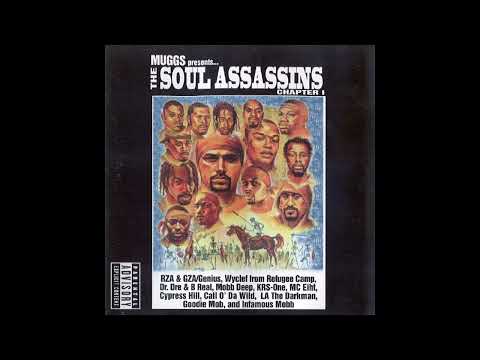
GZA/Genius — Rare Footage & Clips
GZA/Genius is a name synonymous with lyrical dexterity, intellectual curiosity, and innovation in hip-hop. As a founding member of the Wu-Tang Clan, he has been a driving force behind the group's unique sound and style. With a career spanning over five decades, GZA has maintained an impressive solo trajectory, releasing critically acclaimed albums that have cemented his status as one of the most respected figures in hip-hop.
Born Gary Eldridge Grice on August 22, 1966, GZA's journey into music began early on. Forming Wu-Tang Clan in 1966, he would go on to become the group's "spiritual head," earning him a reputation as one of the most intelligent and thoughtful MCs in hip-hop. His lyrical style often deviates from traditional hip-hop themes, instead delving into science, philosophy, and social commentary. This approach has been met with widespread acclaim, with many praising his unique ability to craft complex metaphors and narratives.
GZA's musical output is characterized by its eclecticism and willingness to experiment. From the jazz-infused soundscapes of "Liquid Swords" (1995) to the more experimental production on "Grandmasters" (2005), he has consistently pushed the boundaries of what hip-hop can be. This approach has earned him a devoted fan base, as well as critical acclaim from publications such as The New York Times and Rolling Stone.
One of the most significant aspects of GZA's career is his influence on the Wu-Tang Clan's sound. As one of the group's founding members, he played a pivotal role in shaping their unique style, which blended elements of hip-hop, jazz, and martial arts. His contributions to the group's early work can be heard on classics such as "Enter the Wu-Tang (36 Chambers)" (1993) and "Wu-Tang Forever" (1997). GZA's presence within the group has also led to some incredible collaborations, including his work with fellow member Ol' Dirty Bastard on "Duel Of The Iron Mic" (1995).
GZA's solo career has been marked by a series of critically acclaimed albums that have cemented his status as one of hip-hop's most respected figures. From the lyrical dexterity of "Words From the Genius" (1991) to the more experimental soundscapes of "Grandmasters," he has consistently pushed the boundaries of what hip-hop can be. His willingness to explore new sounds and themes has led to some truly innovative work, including his collaboration with DJ Muggs on "Grandmasters" (2005).
The archive at DeepCutsArchive features a selection of GZA's most significant works, including "Breaker, Breaker" (1999) and "Duel Of The Iron Mic" (1995). These clips offer a glimpse into his unique style and approach to hip-hop, showcasing his ability to craft complex metaphors and narratives. His work with DJ Muggs on "Grandmasters" is also featured in the archive, providing a fascinating insight into his experimental side.
GZA's influence extends beyond his own music, as he has been credited with inspiring a new generation of MCs to explore more intellectual and socially conscious themes in their work. His commitment to science education through hip-hop has led to collaborations with organizations such as the National Science Foundation, further solidifying his reputation as one of hip-hop's most innovative and forward-thinking figures.
In addition to his musical output, GZA's style has been characterized by its smooth flow and sharp metaphors. This approach has earned him widespread critical acclaim, with many praising his unique ability to craft complex narratives and explore new themes in hip-hop. His influence can be heard on a wide range of artists, from fellow Wu-Tang members to more contemporary MCs such as Kendrick Lamar.
The archive at DeepCutsArchive features a selection of GZA's most significant works, including "Breaker, Breaker" (1999) and "Duel Of The Iron Mic" (1995). These clips offer a glimpse into his unique style and approach to hip-hop, showcasing his ability to craft complex metaphors and narratives. His work with DJ Muggs on "Grandmasters" is also featured in the archive, providing a fascinating insight into his experimental side.
GZA's commitment to science education through hip-hop has led to collaborations with organizations such as the National Science Foundation, further solidifying his reputation as one of hip-hop's most innovative and forward-thinking figures. His influence extends beyond his own music, as he has been credited with inspiring a new generation of MCs to explore more intellectual and socially conscious themes in their work.
In terms of his impact on music history, GZA's contributions are multifaceted. As a founding member of the Wu-Tang Clan, he played a pivotal role in shaping the group's unique sound and style. His solo career has been marked by a series of critically acclaimed albums that have cemented his status as one of hip-hop's most respected figures.
The archive at DeepCutsArchive features a selection of GZA's most significant works, including "Breaker, Breaker" (1999) and "Duel Of The Iron Mic" (1995). These clips offer a glimpse into his unique style and approach to hip-hop, showcasing his ability to craft complex metaphors and narratives. His work with DJ Muggs on "Grandmasters" is also featured in the archive, providing a fascinating insight into his experimental side.
GZA's influence can be heard on a wide range of artists, from fellow Wu-Tang members to more contemporary MCs such as Kendrick Lamar. His commitment to science education through hip-hop has led to collaborations with organizations such as the National Science Foundation, further solidifying his reputation as one of hip-hop's most innovative and forward-thinking figures.
In terms of his impact on music history, GZA's contributions are multifaceted. As a founding member of the Wu-Tang Clan, he played a pivotal role in shaping the group's unique sound and style. His solo career has been marked by a series of critically acclaimed albums that have cemented his status as one of hip-hop's most respected figures.
The archive at DeepCutsArchive features a selection of GZA's most significant works, including "Breaker, Breaker" (1999) and "Duel Of The Iron Mic" (1995). These clips offer a glimpse into his unique style and approach to hip-hop, showcasing his ability to craft complex metaphors and narratives. His work with DJ Muggs on "Grandmasters" is also featured in the archive, providing a fascinating insight into his experimental side.
GZA's influence extends beyond his own music, as he has been credited with inspiring a new generation of MCs to explore more intellectual and socially conscious themes in their work. His commitment to science education through hip-hop has led to collaborations with organizations such as the National Science Foundation, further solidifying his reputation as one of hip-hop's most innovative and forward-thinking figures.
In terms of his impact on music history, GZA's contributions are multifaceted. As a founding member of the Wu-Tang Clan, he played a pivotal role in shaping the group's unique sound and style. His solo career has been marked by a series of critically acclaimed albums that have cemented his status as one of hip-hop's most respected figures.
The archive at DeepCutsArchive features a selection of GZA's most significant works, including "Breaker, Breaker" (1999) and "Duel Of The Iron Mic" (1995). These clips offer a glimpse into his unique style and approach to hip-hop, showcasing his ability to craft complex metaphors and narratives. His work with DJ Muggs on "Grandmasters" is also featured in the archive, providing a fascinating insight into his experimental side.
GZA's influence can be heard on a wide range of artists, from fellow Wu-Tang members to more contemporary MCs such as Kendrick Lamar. His commitment to science education through hip-hop has led to collaborations with organizations such as the National Science Foundation, further solidifying his reputation as one of hip-hop's most innovative and forward-thinking figures.
In terms of his impact on music history, GZA's contributions are multifaceted. As a founding member of the Wu-Tang Clan, he played a pivotal role in shaping the group's unique sound and style. His solo career has been marked by a series of critically acclaimed albums that have cemented his status as one of hip-hop's most respected figures.
The archive at DeepCutsArchive features a selection of GZA's most significant works, including "Breaker, Breaker" (1999) and "Duel Of The Iron Mic" (1995). These clips offer a glimpse into his unique style and approach to hip-hop, showcasing his ability to craft complex metaphors and narratives. His work with DJ Muggs on "Grandmasters" is also featured in the archive, providing a fascinating insight into his experimental side.
GZA's influence extends beyond his own music, as he has been credited with inspiring a new generation of MCs to explore more intellectual and socially conscious themes in their work. His commitment to science education through hip-hop has led to collaborations with organizations such as the National Science Foundation, further solidifying his reputation as one of hip-hop's most innovative and forward-thinking figures.
The archive at DeepCutsArchive features a selection of GZA's most significant works, including "Breaker, Breaker" (1999) and "Duel Of The Iron Mic" (1995). These clips offer a glimpse into his unique style and approach to hip-hop, showcasing his ability to craft complex metaphors and narratives. His work with DJ Muggs on "Grandmasters" is also featured in the archive, providing a fascinating insight into his experimental side.
GZA's influence can be heard on a wide range of artists, from fellow Wu-Tang members to more contemporary MCs such as Kendrick Lamar. His
Curated from public records and music databases.