DeepCutsArchive
BrowseArtistsTimelineMapDecadesSubmit

DeepCutsArchive

Preserving the footage that shaped music history. Rare clips, studio sessions, and moments lost to time.

BrowseArtistsGenresDecadesLocationsSubmit a ClipAboutContactEditorial PolicyArticles

© 2026 DeepCutsArchive. All footage remains the property of its original creators.

Privacy PolicyTerms of UseSupport

Developed with love as a personal project by Jamie McDonnell

ui-ux-design.comai-consultancy.company
Gus Cannon — Rare Clips — DeepCutsArchive — DeepCutsArchive
Gus Cannon

Gus Cannon

1883–1979United States1960s

About Gus Cannon

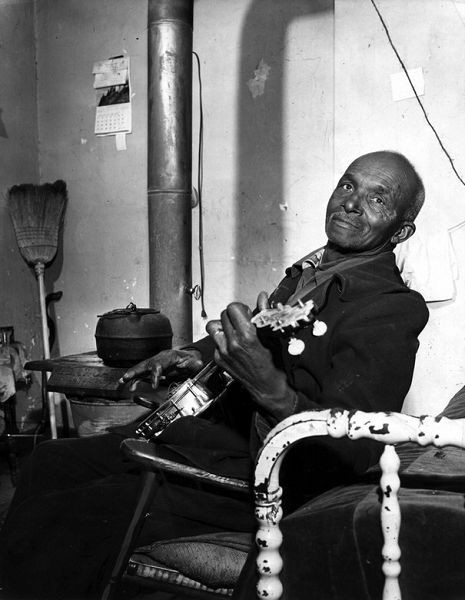
American (Memphis-area) banjo player and vocalist. Born: September 12, 1883 or 1884 in Red Banks, Mississippi, United States Died: October 15, 1979 in Memphis, Tennessee, United States Gus helped popularize jug bands (such as his own Cannon's Jug Stompers) in the 1920s and 1930s. Recorded for Paramount under Banjo Joe in the 1920s. Born on a plantation in Red Banks, Mississippi, Cannon moved a hundred miles to Clarksdale, then the home of W. C. Handy, at the age of 12. His musical skills came without training; he taught himself to play a banjo that he made from a frying pan and a raccoon skin. He ran away from home at the age of fifteen and began his career entertaining at sawmills and levee and railroad camps in the Mississippi Delta around the turn of the century. While in Clarksdale, Cannon was influenced by two local musicians, Jim Turner and Alec Lee. Lee, a guitarist, taught Cannon his first folk blues, "Po' Boy, Long Ways from Home", and showed him how to use a knife blade as a slide, a technique that Cannon adapted to his banjo playing. Cannon left Clarksdale around 1907 and soon settled near Memphis, Tennessee, where he played in a jug band led by Jim Guffin. He began playing in Memphis with Jim Jackson (2). He met the harmonica player Noah Lewis, who introduced him to a young guitar player, Ashley Thompson. Lewis and Thompson later were members of Cannon's Jug Stompers. The three of them formed a band to play at parties and dances. In 1914 Cannon began touring in medicine shows. He supported his family through various jobs, including sharecropping, ditch digging, and yard work, but supplemented his income with music. Cannon began recording, as Banjo Joe, for Paramount Records in 1927. At that session he was backed by Blind Blake. After the success of the Memphis Jug Band's first records, he quickly assembled a jug band, Cannon's Jug Stompers, featuring Lewis and Thompson (later replaced by Elijah Avery). The group was first recorded at the Memphis Auditorium for Victor Records in January 1928. Hosea Woods joined the Jug Stompers in the late 1920s, playing guitar, banjo and kazoo and providing some vocals. Although their last recordings were made in 1930, Cannon's Jug Stompers were one of Beale Street's most popular jug bands through the 1930s. A few songs Cannon recorded with the Jug Stompers are "Minglewood Blues", "Pig Ankle Strut", "Wolf River Blues", and "Walk Right In" (a pop hit for The Rooftop Singers in the 1960s and for Dr. Hook in the 1970s). By the end of the 1930s, Cannon had effectively retired, although he occasionally performed as a solo musician. Cannon made a few recordings for Folkways Records in 1956. During the blues revival of the 1960s, he made some appearances at colleges and coffee houses with Furry Lewis and Bukka White, but he had to pawn his banjo to pay his heating bill the winter before The Rooftop Singers had a hit with "Walk Right In". In the wake of becoming a hit composer, he recorded an album for Stax Records in 1963, with fellow Memphis musicians Will Shade (the former leader of the Memphis Jug Band) on jug and Milton Roby on washboard. Cannon performed traditional songs, including "Kill It", "Salty Dog", "Going Around", "The Mountain", "Ol' Hen". "Gonna Raise a Ruckus Tonight", "Ain't Gonna Rain No More", "Boll-Weevil", "Come On down to My House", "Make Me a Pallet on Your Floor", "Get Up in the Morning Soon", and "Crawdad Hole", along with his own "Walk Right In", with stories and introductions between songs. Cannon appeared in the film Hallelujah! (1929), produced by King Vidor, in the late-night wedding scene.

Formed

1883 – 1979

Origin

United States

Discography

Gus Cannon 1927 - Robert Wilkins 1927-35

Walk Right In (1962)

The Complete Recorded Works in Chronological Order, Volume 2: 12 September 1929 to 28 November 1930 (1990)

The Complete Recorded Works in Chronological Order, Volume 1: November 1927 to 20 September 1928 (2008)

Gus Cannon by Type

SoloRareLive

More Clips1 clip

  • Thumbnail for Hambone Willie Newbern - Roll And Tumble Blues  (1929) by Cream, Gus Cannon, Muddy Waters, Concert, Hambone Willie Newbern3:02

    Hambone Willie Newbern - Roll And Tumble Blues (1929)

    Cream, Gus Cannon, Muddy Waters, Concert, Hambone Willie Newbern

    1960sSoloRare

Gus Cannon by Decade

1960s

Keep Exploring

1950s1970sAll ArtistsAll GenresAll Decades
Read more on Wikipedia →
Browse by Tag
More from 1960s

Gus Cannon — Rare Footage & Clips

Gus Cannon's legacy as a pioneering banjo player and vocalist is a testament to his enduring impact on American roots music. Born in 1883 or 1884 in Red Banks, Mississippi, Cannon's musical journey began at a young age, with little formal training but an innate talent that would serve him well throughout his career.

Cannon's early life was marked by hardship and self-reliance. At the age of 12, he moved to Clarksdale, where he was exposed to the rich musical heritage of the Mississippi Delta. It was here that he taught himself to play a banjo made from a frying pan and a raccoon skin, a resourcefulness that would become a hallmark of his career. Cannon's introduction to folk blues came courtesy of guitarist Alec Lee, who not only shared his knowledge but also showed him how to use a knife blade as a slide – a technique that Cannon adapted to his banjo playing.

As Cannon continued to hone his skills, he began performing in various settings throughout the Mississippi Delta. He played at sawmills and levee camps, entertaining workers with his unique blend of folk blues and banjo-driven rhythms. This early experience would lay the groundwork for his later success as a bandleader and recording artist.

In 1914, Cannon began touring in medicine shows, a common practice among musicians during this period. These traveling performances not only provided a means of income but also allowed Cannon to share his music with wider audiences. His experiences on the road would eventually shape his approach to ensemble playing and leadership.

Cannon's entry into recorded music came in 1927, when he began working under the pseudonym "Banjo Joe" for Paramount Records. These early sessions showcased his banjo-driven style, which was soon complemented by the harmonica playing of Noah Lewis. The duo's chemistry would eventually give rise to Cannon's Jug Stompers, a band that would become synonymous with the Memphis jug band sound.

The Complete Recorded Works in Chronological Order series offers valuable insight into Cannon's development as an artist and bandleader. Volume 2: 12 September 1929 to 28 November 1930 features some of his most notable recordings, including "Minglewood Blues" and "Pig Ankle Strut." These tracks demonstrate Cannon's ability to craft infectious melodies and rhythms that would captivate audiences for generations.

Cannon's Jug Stompers were a key component in popularizing the jug band sound during the 1920s and 1930s. Their music, characterized by its energetic blend of banjo, harmonica, and kazoo-driven arrangements, resonated with listeners across the country. The group's success can be attributed to Cannon's ability to balance his own musical vision with the talents of his bandmates.

One notable aspect of Cannon's career is his role in shaping the development of American roots music. His influence on later artists such as Bob Dylan and Eric Clapton cannot be overstated, as both musicians have cited Cannon as a key inspiration. The significance of Cannon's contributions to the evolution of blues and folk music cannot be diminished.

In addition to his work with Cannon's Jug Stompers, Cannon made several recordings for Folkways Records in 1956. These sessions, while less well-known than his earlier work, demonstrate his continued ability to craft compelling musical narratives.

Cannon's legacy extends beyond his own performances and recordings. His impact on the development of American roots music is a testament to his enduring influence. As an artist who defied convention by teaching himself to play a banjo made from a frying pan and a raccoon skin, Cannon's resourcefulness and creativity paved the way for generations of musicians.

The 1962 album Walk Right In, which featured Cannon on vocals and banjo, marked a new era in his career. Although he had effectively retired by the end of the 1930s, Cannon continued to perform as a solo musician throughout the 1940s and 1950s. His occasional appearances during this period demonstrate his ongoing commitment to sharing his music with audiences.

Cannon's passing on October 15, 1979, marked the end of an era for American roots music. As a pioneering banjo player and vocalist, he left behind a legacy that continues to inspire musicians and fans alike. The significance of Cannon's contributions to the evolution of blues and folk music cannot be overstated.

The clips available on DeepCutsArchive offer a glimpse into Cannon's remarkable career. From his early recordings as "Banjo Joe" to his later work with Cannon's Jug Stompers, these performances showcase his unique blend of folk blues and banjo-driven rhythms. As an artist who continued to evolve throughout his career, Cannon's music remains a testament to his enduring impact on American roots music.

In the context of Cannon's life and career, it is clear that his influence extends far beyond his own performances and recordings. His contributions to the development of American roots music are a testament to his enduring legacy as a pioneering banjo player and vocalist.

Curated from public records and music databases.