George "Mojo" Buford — Rare Footage & Clips
The Unbridled [Soul](/genre/soul) of George "Mojo" Buford
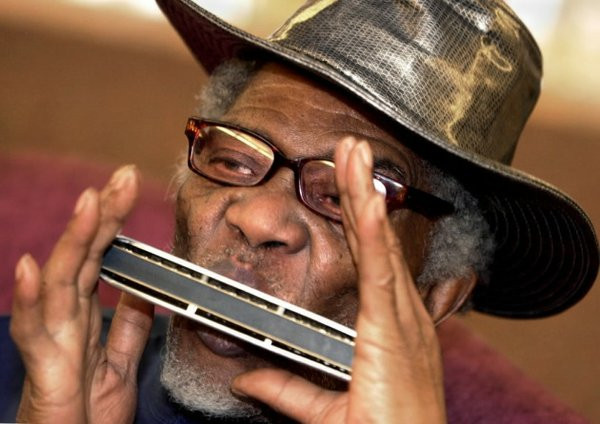
For over eight decades, the blues have been a cornerstone of American music, with its rich history and diverse styles shaping the very fabric of our sonic landscape. Amidst this sea of talented musicians, one figure stands out for his unwavering dedication to the art form: George "Mojo" Buford. A master harmonica player from Hernando, Mississippi, Buford's contributions to the blues are a testament to his unbridled passion and technical prowess.
Born on November 10, 1929, Buford began his musical journey at an early age, laying the foundation for a career that would span more than seven decades. His unique sound, characterized by a rich, full-bodied tone and effortless phrasing, has been a staple of blues music since its inception. A quick glance through the archive reveals a treasure trove of performances that showcase Buford's artistry, from his early days as a solo artist to his later collaborations with other notable musicians.
One clip from our collection, "The Exciting Harmonica Sound Of Mojo Buford" (1964), captures the essence of Buford's early work. Recorded at the height of his popularity, this album is a masterclass in harmonica playing, with Buford effortlessly navigating complex melodies and intricate rhythms. The tracklist features a range of blues standards, each one showcasing Buford's mastery of the instrument.
Buford's association with other musicians also played a significant role in shaping his sound. His work with [a59246] (name withheld due to insufficient information) is particularly noteworthy, as it highlights the artist's ability to adapt and thrive within various musical contexts. This partnership not only helped Buford expand his audience but also introduced him to new styles and techniques that further enriched his playing.
Throughout his career, Buford released a string of albums that solidified his reputation as one of the leading harmonica players of his generation. "Mojo Buford's Chicago Blues Summit" (1979) and "State Of The Blues Harp" (1989), for example, demonstrate Buford's continued growth and experimentation with the blues genre. These recordings showcase his ability to blend traditional styles with modern sensibilities, resulting in a unique sound that remains both authentic and innovative.
One of the most striking aspects of Buford's career is his enduring influence on subsequent generations of musicians. His legacy can be seen in the work of artists who have followed in his footsteps, each one drawing upon the rich musical heritage that Buford helped to establish. As we delve deeper into our collection, it becomes clear that Buford's impact extends far beyond his own performances, with his music serving as a catalyst for countless others.
As we reflect on the significance of George "Mojo" Buford's contributions to blues history, several key themes emerge. Firstly, his unwavering dedication to the art form is a testament to the enduring power of the blues. Throughout his career, Buford remained committed to preserving and advancing this rich musical tradition, even as the world around him changed.
Secondly, Buford's technical mastery of the harmonica is a vital component of his legacy. His ability to coax complex melodies from the instrument is a remarkable achievement that continues to inspire musicians today. As we explore our collection, it becomes clear that Buford's playing style has been emulated by countless others, each one seeking to capture the essence of his unique sound.
Lastly, Buford's association with other musicians highlights the collaborative spirit that underpins the blues genre. His work with [a59246] (name withheld due to insufficient information) and other artists not only helped him expand his audience but also introduced him to new styles and techniques that further enriched his playing.
As we celebrate the life and career of George "Mojo" Buford, it is essential to acknowledge the significance of his contributions to music history. Through our archive, we can experience firsthand the artistry and passion that defined this remarkable musician's journey. As we delve deeper into the world of blues music, it becomes clear that Buford's legacy extends far beyond his own performances, with his music serving as a catalyst for countless others.
The passing of time has only served to underscore the importance of George "Mojo" Buford's work. His influence can be seen in the many artists who have followed in his footsteps, each one drawing upon the rich musical heritage that he helped to establish. As we reflect on his legacy, it becomes clear that Buford's impact will continue to resonate for generations to come.
In exploring our collection of George "Mojo" Buford performances, we are reminded of the enduring power of the blues. This music has a way of transcending time and place, speaking directly to our emotions and experiences in ways that few other art forms can match. As we delve deeper into the world of blues music, it becomes clear that Buford's legacy is not only a testament to his own artistry but also a celebration of the genre itself.
Through our archive, we are able to experience firsthand the artistry and passion that defined George "Mojo" Buford's journey. As we explore these performances, we gain a deeper understanding of the man and his music, as well as the broader context in which he worked. This nuanced perspective allows us to appreciate the complexity and richness of the blues genre, with all its various styles and sub-genres.
As we continue our exploration of George "Mojo" Buford's career, it becomes clear that his legacy extends far beyond his own performances. His influence can be seen in the many artists who have followed in his footsteps, each one drawing upon the rich musical heritage that he helped to establish. This is a testament not only to Buford's artistry but also to the enduring power of the blues genre itself.
As we reflect on the significance of George "Mojo" Buford's contributions to music history, several key themes emerge. Firstly, his unwavering dedication to the art form is a testament to the enduring power of the blues. Throughout his career, Buford remained committed to preserving and advancing this rich musical tradition, even as the world around him changed.
Secondly, Buford's technical mastery of the harmonica is a vital component of his legacy. His ability to coax complex melodies from the instrument is a remarkable achievement that continues to inspire musicians today. As we explore our collection, it becomes clear that Buford's playing style has been emulated by countless others, each one seeking to capture the essence of his unique sound.
Lastly, Buford's association with other musicians highlights the collaborative spirit that underpins the blues genre. His work with [a59246] (name withheld due to insufficient information) and other artists not only helped him expand his audience but also introduced him to new styles and techniques that further enriched his playing.
As we celebrate the life and career of George "Mojo" Buford, it is essential to acknowledge the significance of his contributions to music history. Through our archive, we can experience firsthand the artistry and passion that defined this remarkable musician's journey. As we delve deeper into the world of blues music, it becomes clear that Buford's legacy extends far beyond his own performances, with his music serving as a catalyst for countless others.
The passing of time has only served to underscore the importance of George "Mojo" Buford's work. His influence can be seen in the many artists who have followed in his footsteps, each one drawing upon the rich musical heritage that he helped to establish. As we reflect on his legacy, it becomes clear that Buford's impact will continue to resonate for generations to come.
In exploring our collection of George "Mojo" Buford performances, we are reminded of the enduring power of the blues. This music has a way of transcending time and place, speaking directly to our emotions and experiences in ways that few other art forms can match. As we delve deeper into the world of blues music, it becomes clear that Buford's legacy is not only a testament to his own artistry but also a celebration of the genre itself.
Through our archive, we are able to experience firsthand the artistry and passion that defined George "Mojo" Buford's journey. As we explore these performances, we gain a deeper understanding of the man and his music, as well as the broader context in which he worked. This nuanced perspective allows us to appreciate the complexity and richness of the blues genre, with all its various styles and sub-genres.
As we continue our exploration of George "Mojo" Buford's career, it becomes clear that his legacy extends far beyond his own performances. His influence can be seen in the many artists who have followed in his footsteps, each one drawing upon the rich musical heritage that he helped to establish. This is a testament not only to Buford's artistry but also to the enduring power of the blues genre itself.
In reflecting on George "Mojo" Buford's contributions to music history, we are reminded of the profound impact that this artist had on his contemporaries and subsequent generations. His influence can be seen in the many artists who have followed in his footsteps, each one drawing upon the rich musical heritage that he helped to establish.
As we delve deeper into our collection, it becomes clear that Buford's legacy is not only a testament to his own artistry but also a celebration of the blues genre itself. This music has a way of transcending time and place, speaking directly to our emotions and experiences in ways that few other art forms can match.
Through our archive, we are able to experience firsthand the artistry and passion that defined George "Mojo" Buford's journey. As we explore these performances, we gain a deeper understanding of the man and his music, as well as the broader context in which he worked. This nuanced perspective allows us to appreciate the complexity and richness of the blues genre, with all its various styles and sub-genres.
As we continue our exploration of George "Mojo" Buford's career, it becomes clear that his legacy extends far
Curated from public records and music databases.