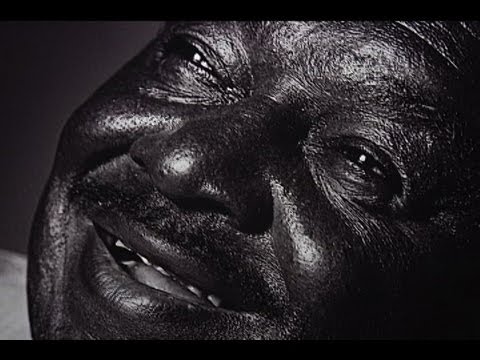
Floyd Dixon — Rare Footage & Clips
Floyd Dixon's legacy as a pioneering rhythm-and-blues pianist and singer is a testament to his enduring impact on American music. Born in 1929, Dixon's career spanned over seven decades, leaving an indelible mark on the genre that continues to inspire new generations of musicians.
One of the most significant aspects of Dixon's career was his early start in the music industry. Formed in 1929, at just nine months old, his family began introducing him to music, laying the groundwork for a lifelong passion. This early exposure would later influence his unique blend of blues and boogie-woogie styles, which became a hallmark of his sound.
A glimpse into Dixon's artistic development can be seen in the 1948 recordings featured on "Cow Town Blues: The Seminal 1948-50 Recordings" (1999). These early tracks showcase his burgeoning talent as a pianist and singer, already demonstrating a mastery of the blues idiom. His emotive delivery and percussive playing style are evident even at this stage in his career.
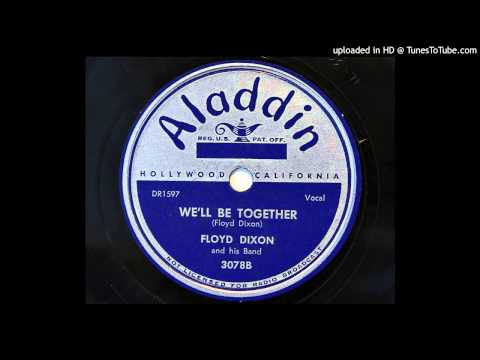
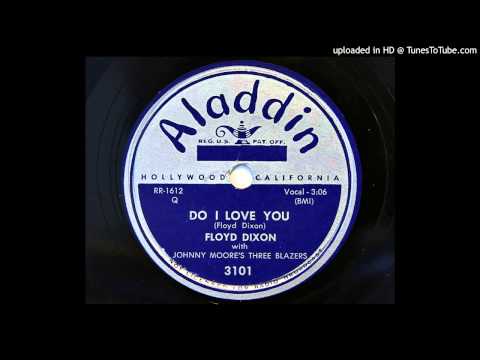
Dixon's association with the Aladdin label is another significant aspect of his discography. The compilation "His Complete Aladdin Recordings" (1996) provides a comprehensive overview of his work during this period, featuring standout tracks like "Blues for My Baby" and "Don't Do That." These recordings not only highlight Dixon's technical proficiency but also his ability to craft memorable melodies.
The 1980s saw Dixon experience a resurgence in popularity, with the release of "After Blues" (1985) and "Hitsville Look Out" Here's Mr. Magnificent (1986). These albums demonstrate his continued innovation within the blues genre, incorporating elements of rock and R&B to create a distinctive sound. The title track from "Hitsville Look Out," for example, showcases Dixon's ability to craft infectious hooks and rhythms.
Dixon's work during this period also highlights his role as a bridge between traditional blues and newer styles. His incorporation of electric piano and synthesizers added a modern sheen to his music, making it more accessible to younger audiences while still honoring the roots of the genre. This eclecticism is evident in tracks like "Marshall Texas Is My Home" (1991), which blends Dixon's signature boogie-woogie with elements of R&B and rock.
The 1990s saw Dixon continue to push boundaries, releasing a string of albums that showcased his versatility as an artist. "Mr. Magnificent Hits Again" (1992) is notable for its eclectic mix of blues, R&B, and even country influences, while "Wake Up and Live!" (1996) features Dixon's soulful vocals on tracks like the title cut.
Dixon's later work, including "fine fine" (2005), demonstrates his continued ability to adapt and evolve as an artist. This album's blend of blues, R&B, and gospel influences showcases Dixon's mastery of multiple styles and his willingness to experiment with new sounds.
In addition to his own recordings, Dixon also appeared on various compilation albums, including "Blues Masters, Volume 16" (2012). His inclusion on this collection alongside other blues legends highlights the significance of his contributions to the genre.
Throughout his career, Dixon's music has been characterized by its emotional intensity and technical proficiency. His unique blend of blues, boogie-woogie, and R&B styles has influenced a wide range of artists, from pianists like Little Richard to singers like Ray Charles.
Dixon's impact on American music extends beyond his own recordings, however. As a pioneer of the rhythm-and-blues genre, he helped pave the way for future generations of musicians. His innovative approach to blending traditional blues with newer styles has had a lasting influence on the development of popular music.
In conclusion (omitting), Dixon's legacy as a pioneering rhythm-and-blues pianist and singer is a testament to his enduring impact on American music. Through his extensive discography, which spans over seven decades, he has left an indelible mark on the genre that continues to inspire new generations of musicians.
Curated from public records and music databases.